ANTM's Ferronickel Sales Surge 420% in Q2 2026
03 Aug 2026, 09:04 AM 797

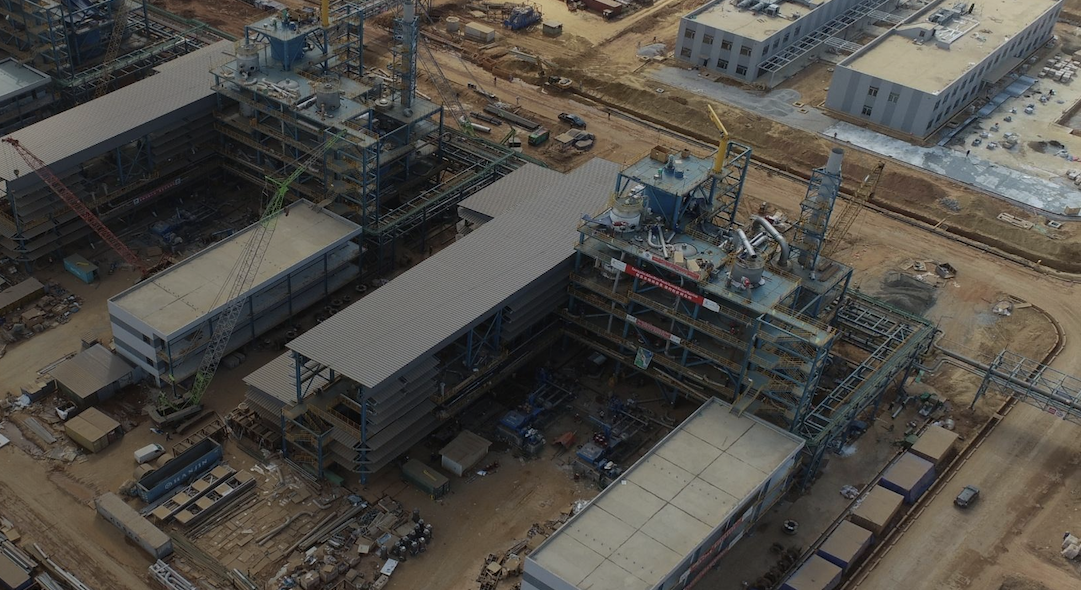
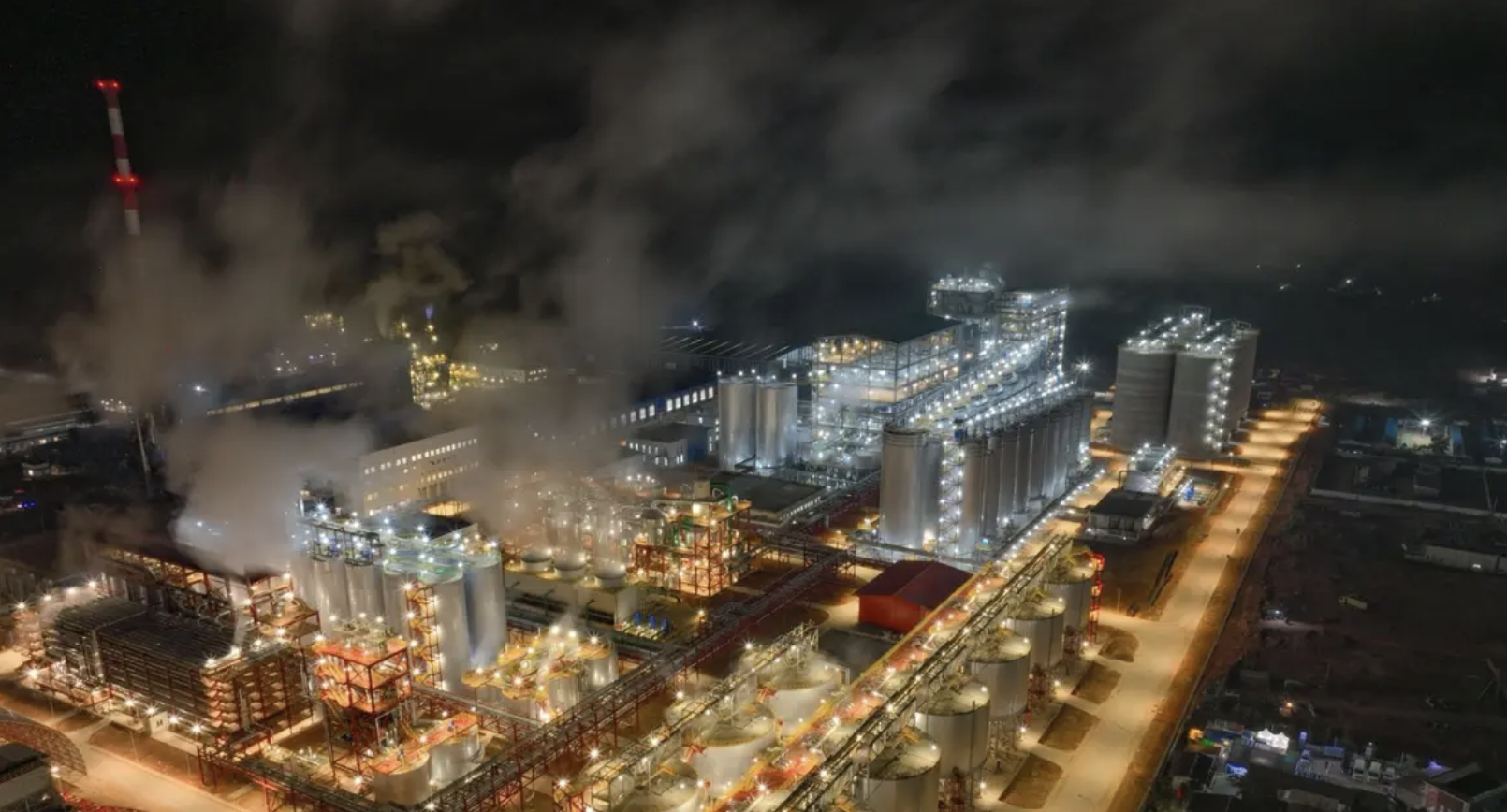
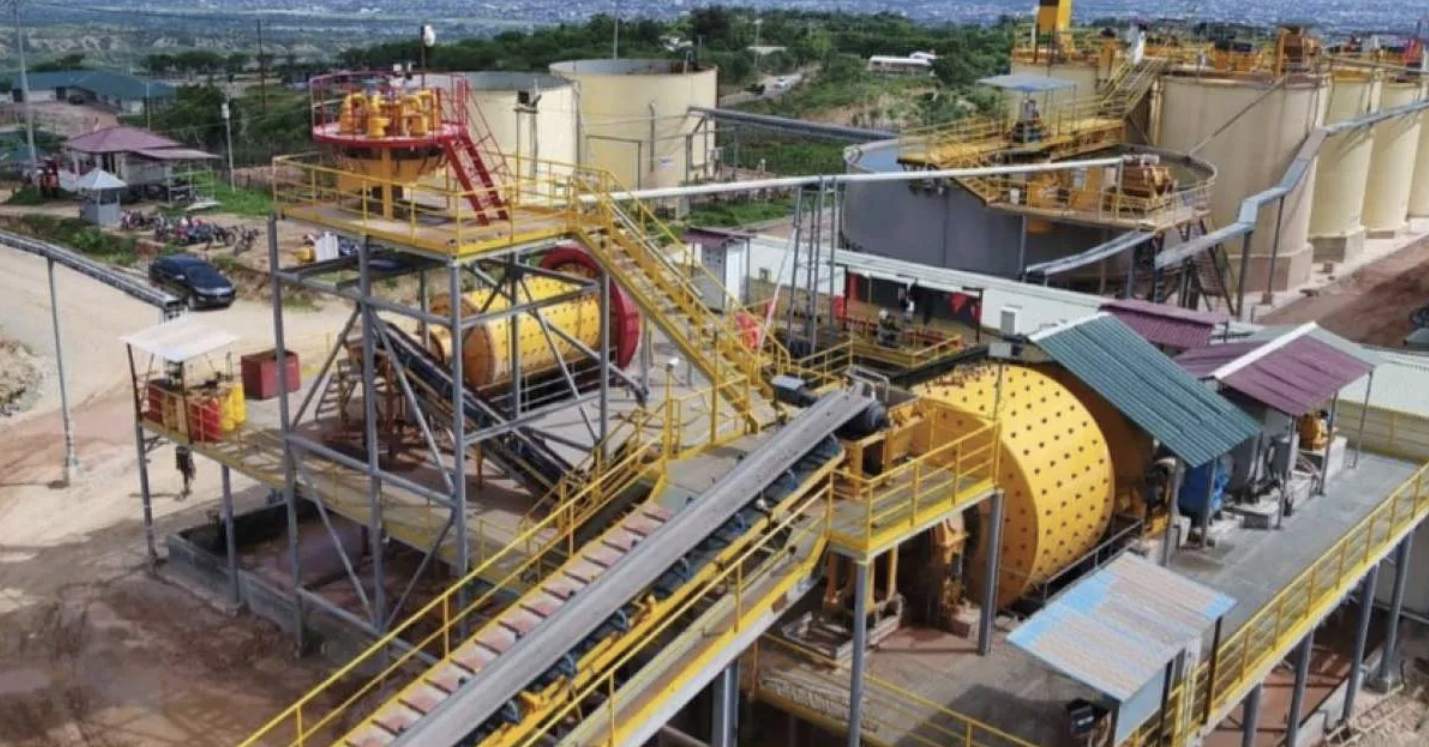
PT Aneka Tambang Tbk (ANTM) reported a 420% surge in ferronickel sales volume in the second quarter of 2026 to 4,802 tons of nickel in ferronickel (TNi), compared with 924 TNi in the same period a year earlier, according to Industri on Friday (July 31, 2026).The significant growth was driven by the optimization of the company's marketing strategy in global export markets and sustained operational efficiency throughout the first half of 2026.Cumulatively, the state-owned mining company's ferronickel sales reached 7,605 TNi in the first half of 2026, up 32% year on year from 5,763 TNi.All of ANTM's ferronickel output was absorbed by international markets, particularly China, India, and South Korea, which are major hubs of the global stainless steel industry.Outside ferronickel, the gold segment recorded sales volume of 9,615 kilograms in the second quarter of 2026, bringing total sales in the first half of the year to 18,080 kilograms.For nickel ore, ANTM produced 3.90 million wet metric tons (wmt) in the second quarter of 2026, while total sales in the first half of 2026 reached 6.77 million wmt, all of which were allocated to meet the needs of domestic smelters.Meanwhile, bauxite sales in the second quarter of 2026 rose 38% to 663,942 wmt, while alumina production through subsidiary PT Indonesia Chemical Alumina increased 12% to 50,690 tons.Management reaffirmed its commitment to integrating sustainability principles across all of the company's mining activities."The approach includes integrated management of environmental, social, and governance aspects as part of our efforts to create long-term value while delivering sustainable benefits to all stakeholders," ANTM's management said.The company also continues to enhance market access and the quality of its precious metals products on a regular basis to maintain customer satisfaction in the domestic market."In line with evolving market needs, ANTM continues to develop its products, services, and distribution channels to improve customer experience, expand market reach, and maintain the competitiveness of its gold business," management said.The company's entire nickel ore sales allocation is directed toward supporting the domestic downstream processing industry's supply chain."This strategy is in line with the company's commitment to strengthening the national mineral downstream ecosystem by ensuring a reliable and sustainable supply of raw materials," management said.The company also continues to implement efficiency measures and optimize the management of its mineral processing facilities to maintain consistent performance across all business units."All of ANTM's bauxite sales were absorbed by the domestic market, in line with the company's role in supporting the raw material needs of the domestic processing industry," management said.

ABMM Ramps Up Aceh Mining Output as First-Half Profit Surges 42%
02 Aug 2026, 09:03 AM 742

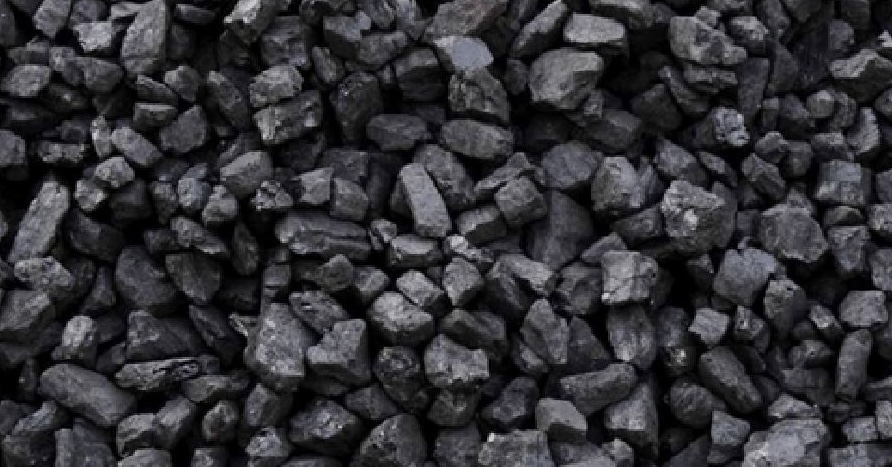
PT ABM Investama Tbk (ABMM) accelerated production from its coal mining operations in Aceh during the first half of 2026 to capitalize on improving coal market conditions. The strategy became one of the main drivers of the company's higher profitability amid ongoing challenges in the mining industry.Hans Manoe, Director of PT ABM Investama Tbk, said the company recorded improved profitability during the period, supported by higher coal production and the stabilization of its mining contractor business."Although the industry continues to face various challenges, supportive coal prices have provided the company with an opportunity to capitalize on the momentum through operational excellence," Hans said in a statement, as quoted on Sunday (Aug. 2, 2026).The company said higher coal prices, driven by elevated fuel costs amid global geopolitical tensions, created momentum to increase production, particularly in the second quarter of 2026. The move contributed to higher coal sales volumes while supporting the company's net profit.During the first half of 2026, ABMM posted relatively stable consolidated revenue of USD 506.2 million. However, adjusted EBITDA rose 6.4% year on year to USD 346.9 million, while net profit jumped 41.9% to US$39.9 million.The company also increased coal production by 14.2% to 17.9 million tons, driven by higher output at one of its mining sites in South Kalimantan. Meanwhile, higher coal sales were also supported by the production ramp-up at its Aceh mine during the second quarter of 2026.In addition to taking advantage of favorable coal prices, ABMM maintained disciplined cost management, enabling it to preserve profitability. The stability of its mining services contractor business also contributed through improvements in various operational indicators.In the logistics segment, one of the company's subsidiaries secured a long-term logistics services contract from a key customer, classified as an A-list client, strengthening the sustainability of its business going forward.Entering the second half of 2026, ABMM expects production from its Aceh mine to continue increasing. At the same time, the company is completing the permitting process for a new coal mining asset in Central Kalimantan, which is targeted for completion by the end of this year.

PT Vale’s Nickel Production Surges 19%, Bahodopi and Pomalaa Drive Growth
30 Jul 2026, 08:49 AM 883

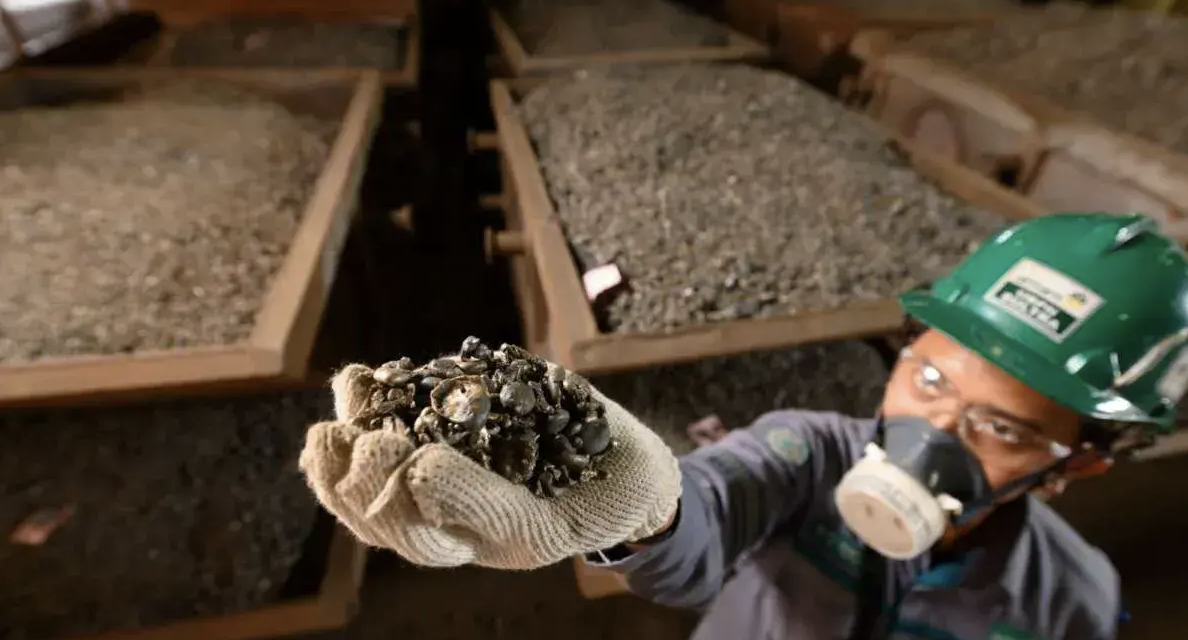
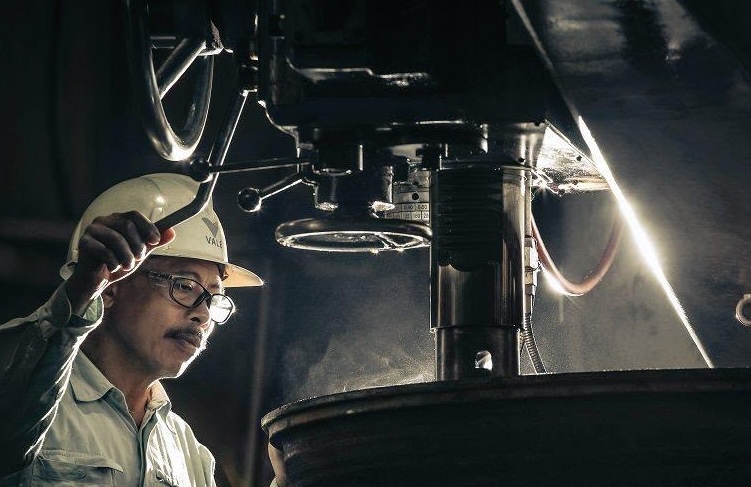
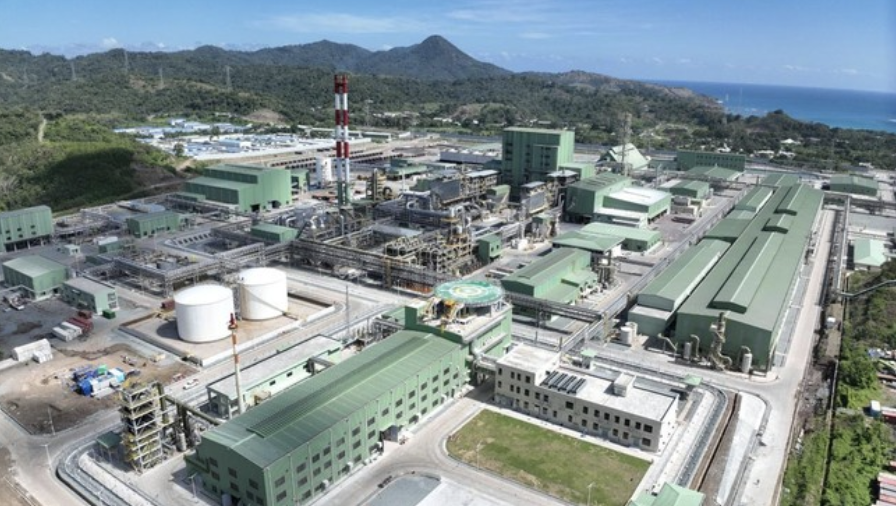
PT Vale Indonesia Tbk (INCO) reported higher nickel matte production in the second quarter of 2026. Improved operational performance following the completion of the Electric Furnace 3 rebuild project was the main driver behind the production increase, strengthening the company's growth foundation amid the dynamics of the global nickel industry.According to its earnings report released on Thursday (July 30, 2026), PT Vale produced 16,153 metric tons of nickel matte during the April-June 2026 period. The figure was up about 19% from production of 13,620 tons in the first quarter of 2026. Cumulative production in the first half of 2026 reached 29,773 tons.The increase in production was supported by the completion of the Electric Furnace 3 rebuild project in June 2026. The company said the project was completed while maintaining workplace safety standards and operational reliability, leaving it optimistic about achieving its production target for the full year.In addition to higher nickel matte production, PT Vale also recorded significant growth in its nickel ore sales business through its two strategic projects in Bahodopi and Pomalaa. At the Bahodopi Block, saprolite nickel ore sales volume reached 1.07 million wet metric tons (wmt) in the second quarter of 2026, up from 886,094 wmt in the previous quarter. Total sales in the first half therefore reached 1.96 million wmt.Meanwhile, the Pomalaa Block posted an even sharper increase. Nickel ore sales rose to 495,601 wmt in the second quarter of 2026 from just 88,983 wmt in the first quarter. Cumulative sales volume in the first half reached 584,584 wmt, far higher than 147,491 wmt in the same period last year.The company said the higher volumes from Bahodopi and Pomalaa demonstrated the success of its expansion strategy through the development of three mining hubs in Sorowako, Bahodopi, and Pomalaa. The strategy not only increases production capacity but also broadens the company's revenue sources beyond its core Sorowako operations.Stronger operational performance also had a positive impact on financial results. PT Vale posted revenue of USD 290 million in the second quarter of 2026, up about 15% from USD 253 million in the previous quarter. The increase was driven by higher production and a rise in the average realized nickel matte price to USD 14,765 per ton.In terms of profitability, EBITDA rose 45% quarter on quarter to USD 116 million from US$80 million in the first quarter. Net profit increased 39% to USD 61 million, compared with USD 44 million in the previous period.PT Vale Indonesia President Director and Chief Executive Officer Bernardus Irmanto said the results reflected the company's success in strengthening its operational foundation while preparing for long-term growth."The arrival of the autoclave marks a significant step forward in developing Indonesia's integrated battery raw materials value chain and reinforces PT Vale's commitment to supporting the national downstream processing agenda," Bernardus said.He added that PT Vale will continue accelerating the development of its High Pressure Acid Leach (HPAL) project to process limonite ore into Mixed Hydroxide Precipitate (MHP), a key raw material for the electric vehicle battery industry. At the same time, the company continued investing in strategic projects, with capital expenditure of around USD 116 million during the second quarter of 2026 to strengthen production capacity and support sustainable growth.

PT Timah (TINS) Ore Production Jumps 75% to 12,232 Tons in H1 2026
29 Jul 2026, 08:57 AM 1110

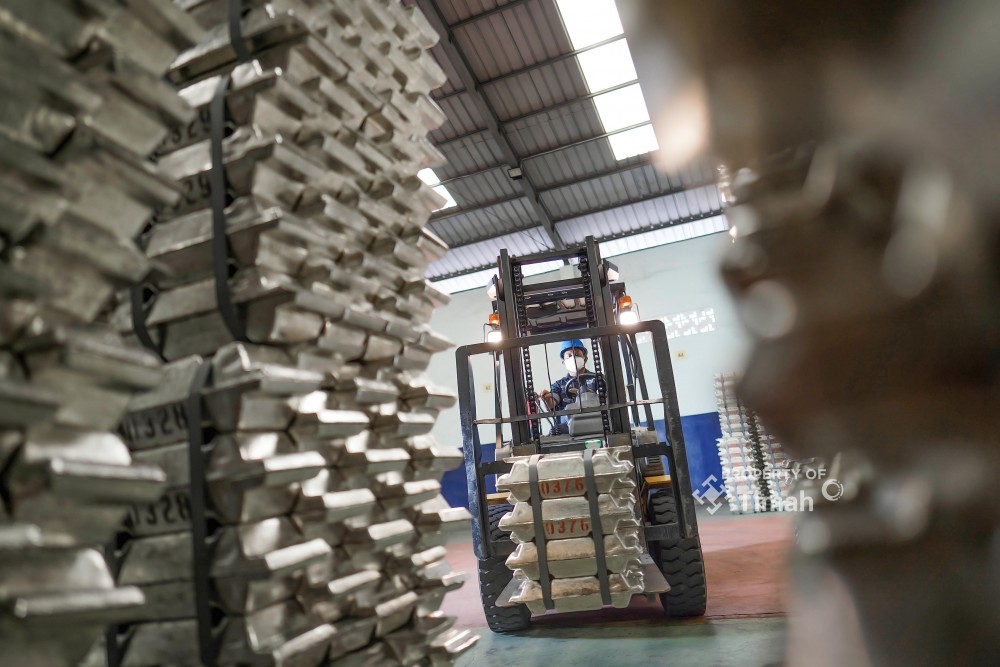
PT Timah (Persero) Tbk (TINS) produced 12,232 tons of tin ore, measured in contained tin (Sn), during the first half of 2026. The figure jumped 75% from 6,997 tons of contained tin in the same period a year earlier.The increase in production was driven by productivity optimization and the addition of operating units across several production assets, including production suction dredges (KIP), production suction pontoons (PIP), and partnership-based onshore mining operations comprising small-scale mines and onshore suction pontoon mines."The operational performance was also supported by various optimization measures implemented consistently. In onshore mining, the company increased the number of operating units and strengthened exploration activities through guide drilling to ensure more precise excavation in line with the designated mining blocks under the approved work plan," PT Timah President Director Restu Widiyantoro said in a statement on Wednesday (July 29, 2026).For offshore mining, the company optimized the operational performance of its production suction dredges, operated one bucket-line dredger, KK Singkep 1, increased the productivity of its production suction pontoons, and optimized its tailings processing facilities to improve processing efficiency.Production performance was also supported by enhanced supervision and security across the company's mining business permit areas (WIUP) and production sites, including support from a central government task force in maintaining conducive operating conditions.In line with higher tin ore production, the company recorded refined tin production of 10,865 metric tons of contained tin during the first half of 2026, up 58% from 6,870 metric tons in the first half of 2025.Refined tin sales reached 10,984 metric tons, an increase of 85% from 5,933 metric tons in the same period a year earlier.Restu said the increase in sales volume was also supported by optimized inventory management to meet market demand.Meanwhile, the average selling price of refined tin during the first half of 2026 reached USD 49,794 per metric ton, up 52% from USD 32,816 per metric ton in the first half of 2025, in line with persistently strong global tin prices.The company's refined tin sales remained heavily export-oriented, with overseas markets accounting for 97% of total sales, while the domestic market contributed 3%.The company's refined tin was primarily exported to six countries, with China accounting for 36% of sales, followed by India at 12%, South Korea at 11%, Singapore at 6%, the Netherlands at 5%, and Italy at 5%."The sales composition reflects the continued competitiveness of the company's tin products in international markets and the confidence of global customers in the quality of our products and the reliability of our supply," Restu said.Restu said the company remains optimistic about maintaining its positive performance momentum in the second half of 2026, supported by favorable prospects for the global tin industry driven by growing demand from the electronics, semiconductor, electric vehicle, data center, and artificial intelligence technology sectors.To support sustainable growth, the company continues to carry out exploration activities both onshore and offshore to ensure the long-term sustainability of its tin resources and reserves. As of the first half of 2026, the company reported tin resources of 798,000 tons and tin reserves of 312,000 tons, providing the foundation for the sustainability of its operations and future business development.
Indika Energy Accelerates IDR 6.8 Trillion Awak Mas Gold Mine Project
29 Jul 2026, 08:54 AM 836

PT Indika Energy Tbk (INDY) is accelerating the completion of its USD 429 million, or around IDR 6.8 trillion, Awak Mas gold mine project in South Sulawesi as it seeks to achieve its target of generating 50% of revenue from non-coal businesses by 2028.The project, which has appointed Macmahon as the main contractor under a contract worth AUD 463 million, had reached 43% construction progress as of October 2025. The company is targeting production trials by the end of 2026 before commencing commercial operations in early 2027.According to a research report by UOB Kay Hian Sekuritas, the initial phase of gold production at Awak Mas is targeted at 100,000 ounces per year and is projected to increase to 150,000 ounces by 2029. The target is supported by total reserves of 1.9 million ounces, with the mine expected to operate until 2041.Development of supporting infrastructure, including roads, waste disposal facilities, and power transmission lines, is being accelerated to maintain cash costs at USD 1,150 per ounce. Meanwhile, total operating costs, including royalties, are estimated at USD 1,800 per ounce.To support its business diversification strategy in 2026, the company has allocated IDR 445 billion in non-coal capital expenditure. The allocation includes USD 20.4 million for the Awak Mas project, USD 5.8 million for green initiatives, and funding for the development of its electric vehicle ecosystem.The energy transition strategy is progressing alongside a recovery in the company's financial performance. In the first quarter of 2026, INDY posted a 2.3% year-on-year increase in revenue to IDR 8.31 trillion, while net profit surged 145.9% to IDR 118.3 billion.Amid its business transformation, coal mining subsidiary PT Kideco Jaya Agung remained the company's main revenue contributor, generating USD 377.4 million, or 72.8% of INDY's total gross revenue.Responding to market speculation regarding the planned divestment of a 91% stake in Kideco valued at USD 1 billion, management issued an official clarification to the stock exchange authority."In response to recent media reports regarding the company's investment portfolio, the company does not comment on market rumors or speculation," said Adi Pramono, Corporate Secretary of PT Indika Energy Tbk.Management emphasized that all material information regarding the company's business developments will be disclosed transparently through the Indonesia Stock Exchange's official disclosure channels.The commencement of commercial operations at the Awak Mas gold mine in 2027 is expected to be a key catalyst for a re-rating of INDY shares, which rose to IDR 2,540 apiece in trading on Monday (July 27, 2026).

Dairi Prima Mineral Ready to Develop Underground Mine
27 Jul 2026, 09:01 AM 781

PT Dairi Prima Mineral (DPM) is preparing to develop an underground mine to produce zinc (Zn) and lead (Pb). The joint venture between PT Bumi Resources Minerals Tbk (BRMS) and NFC (Hong Kong) Metal Resources Company Limited will develop the Anjing Hitam and Lae Jehe mining prospects in Dairi Regency, North Sumatra.Dairi Prima Mineral Technical Manager Widianto said the company this year secured final approval for its feasibility study as well as an environmental permit through an addendum to its Environmental Impact Assessment (Amdal). DPM has also obtained a Forest Area Borrow-to-Use Permit (PPKH) covering 53.11 hectares for mining activities, valid through Dec. 29, 2047.DPM will first develop the Anjing Hitam prospect, which, based on its 2025 estimate, contains mineral resources of 8.53 million tons grading 13.8% zinc and 7.9% lead. Following resource conversion, Anjing Hitam has ore reserves of 7.70 million tons with grades of 12.5% zinc and 7.3% lead.DPM estimates that developing the Anjing Hitam underground mine and constructing its ore processing plant will require investment of around USD 450 million. The company plans to begin underground mining development and plant construction in the first quarter of 2027.DPM expects the construction process to take around two years. "God willing, we expect to begin extracting ore from the underground mine in the fourth quarter of 2028. Ore processing is then expected to start in the first quarter of 2029," Widianto said during the Modern Underground Mining Discussion held on Monday (July 27, 2026).DPM's processing plant is designed to handle 1 million dry tons of ore annually. The ore will contain zinc grades of around 11%-15% and lead grades of between 6%-9%, producing lead concentrate with a grade of 56% and zinc concentrate with a grade of 52%.Over the life of the operation, DPM estimates it will produce 2.43 million dry tons of concentrate containing 821,150 tons of zinc and 473,895 tons of lead. In addition to zinc and lead concentrates, ore processing will also produce sulfur concentrate."The commodities we plan to produce, namely lead and zinc, are classified as critical and strategic minerals. We hope to realize the DPM project," Widianto said.Zinc and lead are used by various domestic industries, including welding, batteries, and automotive batteries. Sulfur concentrate production also carries strategic value by reducing Indonesia's reliance on imports. Demand for sulfur is expected to rise as more High Pressure Acid Leach (HPAL) facilities begin operating in the country.Based on current reserve estimates, the Anjing Hitam prospect has a mine life of around nine years. DPM is continuing efforts to increase resources and reserves to extend the mine's operating life. At the same time, the company is preparing to develop the Lae Jehe prospect.According to its 2025 estimate, Lae Jehe contains mineral resources of 27.90 million tons grading 6.1% zinc and 3.7% lead. Ore reserves are estimated at 10 million tons with grades of 6.4% zinc and 3.8% lead."We are still developing the Lae Jehe prospect because its grades remain lower than those at Anjing Hitam, so we are continuing infill drilling. Our goal is to have Lae Jehe ready before Anjing Hitam is depleted, allowing operations to continue seamlessly," Widianto said.NFC (Hong Kong) Metal Resources Company Limited is the majority shareholder in DPM with a 51% stake, while BRMS holds the remaining 49%.Permitting and Environmental AspectsDPM has undergone a lengthy process before reaching the stage of mine development. The project's permitting process has spanned nearly three decades since its Contract of Work was signed in 1998. Exploration activities were conducted between 1997 and 2002, leading to the discovery of the zinc and lead deposit later named the Anjing Hitam prospect.The first feasibility study was completed in 2004, while the Environmental Impact Assessment (Amdal) was approved by the Dairi Regent in 2005. DPM subsequently obtained a Forest Area Borrow-to-Use Permit (IPPKH) covering 53.11 hectares in 2012 before revising its feasibility study in 2015 following changes to the location of the mine portal, the Tailings Storage Facility (TSF), and the explosives storage facility.In 2022, the government approved an addendum to the Environmental Impact Assessment accommodating the three changes. However, in 2024, Indonesia's Supreme Court ruled in favor of a community group's lawsuit challenging the approval of the Amdal addendum, prompting the Environment Minister to revoke the approval in 2025 in accordance with the court's ruling.Based on the latest assessment underpinning the revised feasibility study, DPM has two main prospects: Anjing Hitam and Lae Jehe. Widianto emphasized that the company will meet environmental and sustainability requirements in operating the underground zinc and lead mine.He explained that DPM will apply a combination of longhole stoping and cut-and-fill mining methods, allowing mined-out voids to be backfilled using processed tailings. The use of tailings as backfill material has received technical approval from the government."Tailings will not be disposed of or stored on the surface. Instead, the material will first be separated into liquid and solid components. The liquid will be reused in the processing plant, while the solids will be mixed with cement and pumped back into the underground workings as backfill material," Widianto said.The cut-and-fill mining method minimizes land disturbance, helping preserve forests and surrounding ecosystems. "The tailings backfill system not only maintains the stability of underground mining areas but also supports environmental protection and compliance with regulations," Widianto said.

Vale Accelerates HPAL Project, Strengthening Indonesia’s Electric Vehicle Supply Chain
26 Jul 2026, 11:27 AM 628

Strong collaboration between businesses, regional governments, and other stakeholders has become the cornerstone of advancing Indonesia's mineral downstream processing projects.As part of efforts to strengthen that synergy, PT Vale, a member of state mining holding company MIND ID, has recorded several major milestones in its nickel downstream development programme.Most recently, Vale received the main autoclave component for its Sambalagi High Pressure Acid Leaching (HPAL) facility in Morowali, Central Sulawesi, marking a critical phase in the project's construction. The plant, which comprises three production lines (Lines A, B, and C), is expected to achieve first mechanical completion by the end of 2026.The milestone underscores Indonesia's commitment to developing a globally competitive, green-based downstream industry while promoting more balanced regional economic growth. The project forms part of the Indonesia Growth Project (IGP) Morowali, one of the country's National Strategic Projects aimed at advancing mineral downstream processing, with a total investment of USD 2 billion.Mining and energy analyst Ferdy Hasiman said developing High Pressure Acid Leaching (HPAL) facilities has become a strategic necessity for nickel producers rather than merely an option. According to him, companies that fail to invest in downstream projects risk falling behind in the rapidly expanding electric vehicle ecosystem."Most mining companies are currently directing their capital expenditure (capex) towards HPAL development because these facilities will become the backbone of the electric vehicle ecosystem. So far, MIND ID, through Vale, has been among the most aggressive in developing such projects," Ferdy said in a written statement received by AKURAT.CO.He added that the government and Danantara Indonesia have also been actively accelerating downstream development through investment support worth trillions of rupiah. Ferdy said Vale's aggressive expansion has been supported by a management team with extensive experience in developing HPAL projects."In addition, several other private nickel companies have not been particularly aggressive over the past two years, most likely because our regulations have changed quite frequently," he added.The downstream programme focuses not only on increasing the economic value of Indonesia's mineral resources but also on establishing a new benchmark for international collaboration. Strategic partnerships involving Indonesia, South Korea, and China are expected to align with low-carbon environmental governance and social sustainability principles.Minister of Investment and Downstream Processing and Head of the Investment Coordinating Board (BKPM), as well as Chief Executive Officer of Danantara Indonesia, Rosan Roeslani, said Vale's achievement represents more than the development of an industrial facility, describing it as the creation of a comprehensive and sustainable downstream ecosystem."Vale's downstream project sets a new benchmark for international collaboration that aligns with Indonesia's national interests by strengthening resource sovereignty, creating jobs, and generating high value-added products that support the country's Net Zero Emissions agenda," he said.Efforts to strengthen mineral downstream processing and Indonesia's electric vehicle ecosystem are also expected to generate significant multiplier effects for regions such as Morowali Regency and Central Sulawesi.Central Sulawesi Vice Governor Reny Arniwaty Lamadjido praised the development of the industrial estate, saying it not only drives economic growth but also places strong emphasis on social development and improving residents' quality of life."A collaboration that creates opportunities for local micro, small, and medium-sized enterprises (MSMEs) while remaining open to public facilities represents an inclusive and sustainable model for industrial estate development in Central Sulawesi," she said.

AMMAN Completes Copper Smelter Project, Boosting Annual Processing Capacity to 900,000 Tonnes
25 Jul 2026, 10:48 AM 1175

PT Amman Mineral Internasional Tbk (Amman) has officially completed the construction of its copper smelter in West Sumbawa Regency, West Nusa Tenggara.The completion of the National Strategic Project (PSN) marks a new milestone in strengthening Indonesia's mineral downstream processing industry while increasing the domestic value added of the country's mineral resources.Amman President Director Arief Sidarto said the completion of the project was the result of collaboration among all stakeholders in developing one of the world's most advanced integrated copper smelting and precious metals refining complexes."The completion of this smelter project is a significant achievement for Amman. It reflects the hard work, resilience, and strong collaboration of all our employees and partners in overcoming various challenges throughout the construction and commissioning process," Arief said in a written statement on Friday (24 July).According to him, the operation of the copper smelter reinforces the company's commitment to supporting the national downstream processing agenda being promoted by the government."Going forward, we hope the policy ecosystem supporting the competitiveness of Indonesia's processing and mining industries will continue to be strengthened so that the country can maximise the benefits of downstream processing while remaining competitive amid global dynamics," he said.The project's completion was marked by the signing of the Completion and Project Acceptance Certificate (PAC) between Amman and China Nonferrous Metal Industry's Foreign Engineering and Construction Co., Ltd. (NFC) in Beijing, China, on 18 July 2026.The signing of the PAC confirms that all construction work and commissioning activities have been completed in accordance with the contract scope. Although the facility has been in operation for more than a year, the milestone signifies that all performance guarantee tests have been successfully completed and that the smelter has officially entered its long-term operational phase.Amman's smelter is one of Indonesia's strategic downstream processing projects, designed with the capacity to process up to 900,000 metric tonnes of copper concentrate annually. Feedstock is sourced from the Batu Hijau mine and will also be supplied by the Elang mine in the future.The integrated facility will produce a range of high-value products, including copper cathodes, gold, silver, sulphuric acid, and selenium. These products are key components for various industries, including renewable energy, electric vehicles, digital technology, and advanced manufacturing.With all processing carried out domestically, Indonesia is expected to capture greater value from its mineral resources than by exporting raw copper concentrate alone.

Indonesia’s Nickel Downstream Industry Generates IDR 690.3 Trillion in Investment Over Five Years
24 Jul 2026, 01:22 PM 1050

The Indonesian Nickel Industry Forum (FINI) has stressed that the country's nickel downstream industry continues to play a highly strategic role in Indonesia's investment landscape, despite being overtaken by bauxite downstream investment in the second quarter of 2026.FINI Chairman Arif Perdana Kusumah said realised investment in the nickel downstream sector reached IDR 690.3 trillion between 2020 and 2025, making it one of the country's key drivers of economic growth."Realised investment in the nickel downstream industry during the 2020–2025 period reached IDR 690.3 trillion, equivalent to USD 44.54 billion," Arif told Bisnis on Friday (24 July 2026).Arif said the rapid progress of Indonesia's nickel industry becomes even more apparent when compared with the downstream development of other mining commodities, such as bauxite.According to him, Indonesia's nickel processing industry has expanded rapidly since the government firmly enforced its ban on nickel ore exports."Indonesia's nickel downstream industry has grown tremendously since the government introduced the nickel ore export ban in 2014. Its progress is far ahead of that seen in the bauxite sector," he said.He added that Indonesia's nickel processing and refining capacity has increased sharply over the past five years.The expansion covers both pyrometallurgical and hydrometallurgical processing technologies, including high-pressure acid leach (HPAL) facilities."Between 2020 and 2025 alone, Indonesia added around 1.5 million tonnes of installed nickel processing and refining capacity, bringing total installed capacity to 2.7 million tonnes of contained nickel by 2025," Arif said.The total installed capacity of 2.7 million tonnes of contained nickel comprises 2.1 million tonnes of nickel pig iron (NPI), ferronickel (FeNi), and nickel matte, while the remaining 400,000 tonnes consist of mixed hydroxide precipitate (MHP) and nickel sulphate.Future OutlookLooking ahead, FINI remains optimistic that capital inflows into Indonesia's nickel sector will continue.Arif said the expansion of HPAL processing facilities alone is expected to require substantial investment over the coming years."Additional HPAL capacity planned for 2026–2028 will require around USD 20 billion in new investment," he said.Beyond expanding primary processing capacity, investment in the nickel sector is also expected to shift towards higher value-added downstream products.This aligns with Government Regulation (PP) No. 28/2025 on Risk-Based Business Licensing, which the government is using to limit permits for new nickel smelter investments."Going forward, with the issuance of PP No. 28/2025, investment in the nickel industry will be directed further downstream to produce higher value-added products, including stainless steel, nickel sulphate, precursors, cathodes, and electric vehicle batteries," Arif said.According to data from the Ministry of Investment and Downstream Processing/Investment Coordinating Board (BKPM), domestic bauxite downstream projects became Indonesia's largest downstream investment destination for the first time in the second quarter of 2026, overtaking nickel, which had long dominated investment in the mineral processing sector.Investment in the bauxite sector reached IDR 40.1 trillion during the quarter, making it the largest contributor to national investment growth. The figure represented a 193% increase from IDR 13.7 trillion recorded in the first quarter of 2026.Nickel ranked second with realised investment of IDR 29.4 trillion, followed by copper at IDR 16.7 trillion, steel at IDR 13.2 trillion, silica sand at IDR 4 trillion, and other commodities—including tin, gold, silver, cobalt, manganese, coal, Buton asphalt, and rare earth metals—which together attracted IDR 4.7 trillion in investment.

PTBA Coal Sales Reach 21.10 Million Tonnes in H1 2026
24 Jul 2026, 11:29 AM 1131

PT Bukit Asam (Persero) Tbk (PTBA), delivered positive operational performance in the first half of 2026.Amid a supportive coal market and stronger prices than a year earlier, the company maintained operational reliability, strengthened its supply chain, and optimised deliveries to both domestic and export markets.During the January–June period, PTBA produced 19.45 million tonnes of coal and, supported by optimal inventory levels, recorded coal sales of 21.10 million tonnes.PTBA President Director Bambang Ismawan said the company's operational performance during the period reflected its commitment to ensuring a stable supply of coal to customers."This achievement provides an important foundation for the company to continue creating value for all stakeholders," Bambang said in a press release on Friday (24 July 2026).Domestic sales reached 10.77 million tonnes, accounting for around 51% of total sales, while exports totalled 10.33 million tonnes, or 49%. Export sales rose about 5% from the same period last year, supported by sustained demand from key markets including Vietnam, Bangladesh, Cambodia, India, and Thailand.However, Bambang stressed that meeting domestic demand remains the company's priority, particularly in supporting Indonesia's energy security. Coal sales to the PLN Group reached 7.78 million tonnes during the first half of 2026.Overall, coal supplied under the Domestic Market Obligation (DMO) accounted for around 55% of total production, exceeding the government's minimum DMO requirement of 25%. The result reflects PTBA's commitment to maintaining coal supplies for Indonesia's energy needs while continuing to capture opportunities in export markets.On the logistics front, PTBA transported 18.15 million tonnes of coal through June 2026. Of that total, 17.47 million tonnes were carried by rail, highlighting the reliability of the company's logistics infrastructure in supporting coal distribution.Bambang added that PTBA continued to implement selective mining practices to improve operational efficiency. As of the first half of 2026, the company recorded a stripping ratio of 5.26 times, remaining within its full-year target of 5.63 times.To support sustainable operations and business expansion, PTBA continued to deploy capital expenditure (capex) towards logistics infrastructure projects, including the Tanjung Enim–Kramasan coal railway and the Banko Inpit Conveyor project, aimed at further improving operational performance."Entering the second half of 2026, PTBA will continue to strengthen operational reliability, maintain cost efficiency, optimise both domestic and export markets, and advance its strategic projects to support sustainable growth amid the evolving global coal industry," Bambang said.

Advertisement


Get Your Pass