Arsari Group Partners With Asahi to Advance Tin Downstreaming in Bangka Belitung
13 Sep 2026, 08:57 AM 128

PT Arsari Tambang is promoting tin downstreaming in Bangka Belitung through a strategic partnership with Singapore Asahi Chemical & Solder Industries Pte. Ltd. (Asahi Solder). The partnership is aimed at developing value-added solder products, strengthening technology and quality, and expanding market access for Indonesia's downstream tin products.The partnership is expected to further strengthen the tin supply chain in Bangka Belitung by increasing demand for raw materials. The move could drive production and absorption of tin ingots from Bangka for downstream industrial needs.PT Arsari Tambang President Director and Arsari Group Deputy President Director Aryo P. S. Djojohadikusumo said the partnership was part of efforts to build an integrated tin downstreaming ecosystem, spanning mining and processing to the production of value-added products that can enter global industrial supply chains. He emphasized that downstream industry development should deliver greater benefits to tin-producing regions.“We want to see Bangka Belitung's tin move beyond being a commodity and continue moving up the value chain. By strengthening downstream industries, more value can be created in Indonesia, while also increasing demand for and absorption of tin ingots from Bangka,” he said in an official statement, as quoted on Sunday (September 13, 2026).Aryo said the partnership was also part of Arsari Group's vision to build an industrial ecosystem for Indonesia's future that connects natural resources, value-added materials, manufacturing and technology.Arsari Group is currently developing a technology and artificial intelligence ecosystem through RAIA Grid, which it is building together with Indosat. The ecosystem includes connectivity infrastructure, fiber-optic networks, data centers, cloud computing, high-performance computing and artificial intelligence. Arsari Group is also preparing GPU assembly capabilities in Indonesia.“The technology ecosystem of the future requires a strong industrial supply chain. Therefore, we see the development of tin downstreaming, manufacturing and technology as interconnected components,” Aryo said.Meanwhile, Singapore Asahi Chemical & Solder Industries Pte. Ltd. President Director Vincent Kho welcomed the partnership. He said Indonesia had significant potential to develop its downstream tin industry.“We welcome the establishment of this strategic partnership with Arsari Tambang. Indonesia has significant potential to develop its downstream tin industry, and we believe that combining manufacturing capabilities in Indonesia with Asahi Solder's experience in solder products and electronic interconnection materials can create new opportunities to produce higher value-added products and strengthen Indonesia's role in the global electronics industry supply chain,” he said.

Coal, Nickel and Other Mining Royalties Reach IDR 108 Trillion Through August 2026
11 Sep 2026, 11:57 AM 210

The Ministry of Energy and Mineral Resources (ESDM) said non-tax state revenue (PNBP) from the mineral and coal (minerba) subsector reached IDR 108 trillion as of August 31, 2026. The figure was up IDR 21 trillion from IDR 87 trillion as of August 31, 2025.ESDM Mineral and Coal Director General Tri Winarno said the increase was supported by contributions from coal and nickel. He said state revenue continued to grow amid the government's efforts to manage production volumes through adjustments to the Work Plan and Budget (RKAB).“In 2025, PNBP from the mineral and coal subsector reached IDR 135.16 trillion. Now, in our presentation, the figure was IDR 92 trillion through July, but if we take the data through August, as of August 31, the figure had reached IDR 108 trillion,” he said at an event organized by the Indonesian Mining Experts Association (Perhapi) at JIExpo, as quoted on Friday (September 11, 2026).In detail, the coal sector contributed Rp66 trillion in PNBP as of August 31, 2026, up from IDR 59 trillion as of August 31, 2025. The increase in coal revenue was achieved despite a decline of 8 million tons in average monthly production.“So, in terms of production, our monthly production fell by 8 million (tons), but in terms of PNBP, it increased by Rp7 trillion. This means that each year we see an increase of IDR 1 trillion with production falling by 8 million tons,” he said.Meanwhile, PNBP from the nickel sector rose to Rp21 trillion as of August 31, 2026, compared with IDR 10 trillion as of August 31, 2025. The increase in state revenue was also accompanied by a decline in nickel production of around 13 million tons of ore.“For nickel, as of August 31, 2026, our PNBP was IDR 21 trillion. Meanwhile, as of August 31, 2025, our PNBP was IDR 10 trillion. What about production? Production fell by around 13 million tons of ore,” he said.The government said the increase in PNBP amid lower production volumes demonstrated the effectiveness of RKAB management in the mineral and coal sector. The policy is intended to ensure that natural resource utilization delivers optimal returns for the state without requiring excessive production.“So, if we look at it, with good management and by not going all out on production, it turns out this will have a positive impact on the state and all of us,” he said.

Bauxite Output Reaches 17.76 Million Tons, West Kalimantan Becomes Hub for National Alumina and Alum...
11 Sep 2026, 08:52 AM 254

Indonesia's bauxite production reached 17.76 million tons as of September 1, 2026. The figure makes the commodity, which is heavily mined in West Kalimantan, an important part of the national mineral downstreaming agenda.The Ministry of Energy and Mineral Resources (ESDM) emphasized that the management of bauxite and other mining commodities is no longer focused solely on production volumes. The government wants mineral ores to be processed into value-added products before entering the industrial supply chain.“The focus is not only on how much we produce, but on how much added value we obtain or create from the mining industry,” ESDM Mineral and Coal Director General Tri Winarno said.He presented the data at an event held by the Indonesian Mining Experts Association in Jakarta on Thursday (Sept. 10), as reported by ANTARA.West Kalimantan Becomes a Key LinkWest Kalimantan holds an important position in bauxite downstreaming as it has both raw material resources and processing facilities in Mempawah.Phase I of the Smelter Grade Alumina Refinery (SGAR) in Mempawah has an annual alumina production capacity of one million tons. To reach that capacity, the facility requires around 3.3 million tons of washed bauxite each year.Alumina is a processed product of bauxite that is subsequently used as a raw material for aluminum production. The presence of the SGAR means minerals from West Kalimantan are not limited to being mining ore.Bauxite supplies for the facility come from the mining areas of PT Aneka Tambang Tbk in Mempawah and Landak regencies. The plant is operated by PT Borneo Alumina Indonesia, a joint venture between PT Indonesia Asahan Aluminium and Antam.Alumina Capacity to DoubleThe development of SGAR Phase II is designed to add one million tons to annual alumina production capacity. If both phases operate at their respective capacities, domestic alumina production from Mempawah could reach two million tons per year.The facility is projected to consume around six million tons of bauxite ore annually. All raw materials are planned to come from Antam's mining concession areas in Mempawah and Landak.An aluminum smelter with a capacity of 600,000 tons per year will also be built in the same area. Its production will be prioritized to meet domestic industrial demand.Combined with Inalum's facility in Kuala Tanjung, North Sumatra, the company's aluminum production capacity is projected to reach around 900,000 tons per year.The development of integrated bauxite, alumina and aluminum facilities in Mempawah requires an investment of around IDR 104.55 trillion, equivalent to USD 6.23 billion. The project is estimated to have the potential to increase state revenue by up to IDR 6.6 trillion per year, according to calculations by Inalum.Mineral and Coal Non-Tax Revenue Rises by IDR 21 TrillionIncreasing the value added of mining commodities has become increasingly important as state revenue from the mineral and coal subsector continues to rise.The Ministry of Energy and Mineral Resources (ESDM) recorded mineral and coal non-tax state revenue (PNBP) of IDR 108 trillion as of August 31, 2026. The figure was up IDR 21 trillion, or around 24%, from IDR 87 trillion in the same period last year.Coal remained the largest contributor. The commodity generated IDR 66 trillion in PNBP, up from IDR 59 trillion in the same period in 2025.Nickel PNBP also increased from IDR 10 trillion to IDR 21 trillion. However, ESDM has yet to provide a breakdown of the specific contribution of bauxite to total mineral and coal PNBP.Production Does Not Have to Be IncreasedThe increase in PNBP came as average coal production was actually lower. Throughout 2025, coal production reached 817.48 million tons, or an average of 68.1 million tons per month.As of July 2026, production stood at 423.71 million tons, averaging around 60.5 million tons per month.According to Tri, the figures show that increasing state revenue does not always have to be achieved by increasing production. Commodity prices, market demand, domestic requirements, logistics and reserve sustainability must also be taken into account.“Our approach is optimum production, where production must be balanced with the market, market demand, the domestic market obligation (DMO), price conditions, logistics and reserve sustainability,” he said.Downstreaming Challenges in West KalimantanNational bauxite production of 17.76 million tons provides supplies for the processing industry. However, high production does not automatically translate into maximum benefits for producing regions.The benefits for West Kalimantan depend on the ability of downstreaming projects to absorb local workers, involve regional businesses, protect the environment, and generate revenue that is felt by communities around the mines and plants.The industrial chain in Mempawah is designed to connect bauxite, alumina and aluminum within a single area. If it proceeds according to plan, West Kalimantan will no longer merely be a supplier of raw materials, but will become one of the country's aluminum industry hubs.Amid the scale of the investment, environmental monitoring and mine-site rehabilitation must continue. The added value of bauxite should not be measured solely by the amount of alumina and aluminum produced, but also by the economic benefits and environmental footprint left in West Kalimantan.

Eramet Resumes Operations at Weda Bay Nickel Mine in Indonesia
11 Sep 2026, 08:44 AM 368

Eramet has resumed operations at the Weda Bay nickel mine in Indonesia after halting production in May 2026 due to the exhaustion of its production quota.The French mining company said operations at Weda Bay Nickel (WBN) have gradually resumed after receiving authorization from the Indonesian government.“Mining operations at Weda Bay Nickel (WBN) have gradually resumed with permission from the Indonesian authorities,” Eramet said in a statement, as quoted by MiningWeekly.Eramet has not explained whether WBN has received an additional production quota. A company spokesperson also declined to provide further details regarding the authorization.The company said it would update its 2026 external sales guidance for nickel ore in due course. WBN is also continuing discussions with the Indonesian government regarding mine operations.Previously, Weda Bay, one of the world's largest nickel mines, halted operations and entered a care and maintenance phase in May 2026 after its initial production quota of 12 million wet metric tons (WMT) for the year was exhausted.The quota was significantly lower than the initial 2025 allocation of 32 million WMT.Indonesia, the world's largest nickel producer, cut mining permit volumes this year as part of efforts to tighten controls over commodity production, exports and prices.Uncertainty over mining permits in Indonesia has also weighed on Eramet's financial performance. The company is now preparing a capital increase and the sale of several stakes in a number of business lines.Eramet owns WBN together with Chinese steel group Tsingshan and PT Aneka Tambang Tbk (ANTM).

Vale Indonesia (INCO) Targets Full Production at Pomalaa HPAL Project in 2027
10 Sep 2026, 08:49 AM 313

PT Vale Indonesia Tbk. (INCO)'s High-Pressure Acid Leach (HPAL) smelter project in Pomalaa, Southeast Sulawesi, is expected to begin full operations in 2027. The smelter will have a production capacity of up to 120,000 tons of mixed hydroxide precipitate (MHP).Vale Indonesia Director Muhammad Asril said that on September 15, 2026, Vale would begin trials of the smelter. All end-to-end processes at the Pomalaa HPAL facility will subsequently be tested.Vale had initially targeted mechanical completion of the HPAL project for December 2026. However, progress to date has allowed the company to bring forward the project's completion schedule.“We can bring it forward by around 2–3 months, allowing us to achieve mechanical completion in September or October, so we can ramp up over approximately 3–6 months. In 2027, we can begin full ramp-up and reach full production of 120,000 tons of MHP at Pomalaa,” he said at the Public Expose Live 2026 on Thursday (September 10, 2026).For context, IGP Pomalaa is a mining and HPAL processing plant project with an investment value of US$4.5 billion. In developing the project, Vale has partnered with Chinese EV battery producer Zhejiang Huayou Cobalt Co., Ltd. and US automaker Ford Motor Co.The IGP Pomalaa project comprises a nickel ore mining project and a High-Pressure Acid Leach (HPAL) processing project. The project's estimated annual output will reach 120,000 tons of nickel and around 15,000 tons of cobalt contained in MHP products.“On the mining side, we have actually already started mining. The mining service company is already onsite. We are currently producing saprolite and limonite for HPAL requirements,” he said.Vale said development of the IGP Pomalaa mine had reached 83%, while progress on the HPAL facility had reached 86%. Nevertheless, mineral ore sales have already begun, with the first ore sale carried out on February 28, 2026.Vale has set a target of producing 300,000 tons of limonite per month, or around 9,677 tons per day.Previously, Vale had targeted total nickel matte production of 67,645 metric tons throughout 2026. Management set the target with optimism following the completion of the Furnace III rebuild project and an improvement in the nickel grade of the ore mined by the company.Vale Indonesia Deputy President Director Abu Ashar said the company's production in the first half of 2026 had been relatively stable. The nickel grade from mining operations was also considered the highest in the past three years.“The repair work has been completed, the nickel grade from mining to the plant is quite good, and plant operations have also been relatively stable, so we are optimistic about achieving our annual production target of 67,645 tons this year,” he said at the Public Expose Live 2026 on Thursday (September 10, 2026).

PT Timah Targets 30,000-Ton Increase in Reserves in 2026
10 Sep 2026, 08:45 AM 248

PT Timah (Persero) Tbk is targeting an additional 30,000 tons of tin reserves in 2026 to replace depletion, or the reduction in reserves resulting from production activities, while maintaining the sustainability of the company's operations.PT Timah Corporate Strategy and Business Development Director Harry Budi Sidharta said increasing resources and reserves was one of the company's focuses in its strategy to boost operations and production.“With a target of adding 30,000 tons in reserves, at least that would replace or correspond to the results of depletion. This is to maintain the sustainability of the company's production,” Harry said during the online Public Expose Live 2026 in Jakarta on Thursday.As of the first half of 2026, PT Timah recorded 798,000 tons of tin mineral resources and 312,000 tons of tin mineral reserves, both measured in Sn.To strengthen these resources and reserves, the company is carrying out exploration activities both on land and at sea.According to the company's presentation, activities carried out in 2026 included geological surveys covering 3,216 hectares, geophysical surveys spanning 76 kilometers, and topographical surveys covering 17,638 hectares.The company also recorded 41,104 meters of exploration drilling and 12,971 meters of infill drilling as part of its strategy to increase resources and reserves.PT Timah Production and Commercial Director Ilhamsyah Mahendra said exploration was a priority in 2026 as it represents the initial stage in discovering new resources and reserves.“For the mining business, it starts with exploration activities, which are currently a priority in 2026. This is then followed by the actual mining process for tin minerals,” Ilhamsyah said.In addition to exploration, the company has begun focusing on processing primary tin and optimizing production through the addition of equipment, improvements in equipment productivity, and the acceleration of new mine-site development.Since July and August 2026, PT Timah has added four production suction dredgers to support its operational targets through the end of the year. Additional equipment has also been deployed in several onshore mining areas.“We hope to maximize the addition of equipment and increase the productivity of our mining equipment through the end of the year,” Ilhamsyah said.Separately from its reserve-addition target, the company's 2026 Work Plan and Budget (RKAP) sets a target of producing 30,000 tons of tin ore, measured in Sn.In the first half of 2026, the company's tin ore production reached 12,232 tons of Sn, up 75% from the same period a year earlier. Tin metal production reached 10,865 metric tons, representing annual growth of 58%.Ilhamsyah said the company remains on track to meet its operational and production targets for this year after making a number of improvements to its operational fundamentals and processing and refining infrastructure.For 2027, he said the company's operational and production targets would be more or less the same as those for 2026. However, the focus will remain on increasing resources and reserves to maintain the sustainability of its operations and business.In addition to primary tin, the company is also developing the potential of rare earth metals from tin-associated minerals, including monazite. The development remains at the technology assessment stage in collaboration with several partners.

MIND ID Eyes Greater Control of Copper Supply Chain as Electrification Grows
09 Sep 2026, 08:55 AM 174

MIND ID is pushing to strengthen the copper supply chain to bolster mineral sovereignty while creating added value domestically.MIND ID Institutional Relations Division Head Selly Adriatika said the move had become increasingly strategic amid rising demand for copper to support various industrial sectors, ranging from electricity, transmission networks and electronics to electric vehicles and renewable energy.She said the integration of assets and capabilities among companies within the holding was part of a strategy to build a mutually supportive mineral value chain.“MIND ID does not view each asset and company as a standalone entity. We integrate the resources and capabilities of Holding Members so they can support one another, allowing processed mineral products to be further developed as part of the national industrial supply chain and generate added value domestically,” Selly said in an official statement, as quoted on Wednesday (Sept. 9, 2026).According to her, control over copper resources is becoming increasingly important amid accelerating electrification and the global energy transition. In this context, MIND ID's majority ownership of PT Freeport Indonesia (PTFI) serves as a strategic instrument to strengthen national control over copper resources.Selly said efforts to strengthen the value chain were not limited to copper mining and refining. PTFI is also developing a Precious Metal Refinery (PMR) in Gresik, East Java, which processes anode slime, a byproduct of copper concentrate processing, into precious metals.PTFI's PMR has an annual production capacity of around 50 tons of gold and 200 tons of silver. Selly said the facility could extend Indonesia's mineral value chain while opening opportunities to utilize processed products to meet domestic market demand.According to her, the integration began to materialize in February 2025, when PTFI delivered 125 kilograms of 99.99%-purity gold bars produced by the PMR to PT Aneka Tambang Tbk. (ANTAM), worth around Rp207 billion.PTFI and ANTAM had previously also agreed on the purchase of up to 30 tons of gold per year.Domestic demand is one of the opportunities that could be strengthened through the integration. World Gold Council data showed demand for gold bars and coins in Indonesia reached 31.6 tons in 2025. Meanwhile, gold consumption for jewelry reached 16.6 tons.Thus, total demand across the two segments reached around 48.2 tons, close to PTFI's PMR gold production capacity of around 50 tons per year.Selly said strengthening the mineral value chain would become increasingly important as demand for strategic minerals rises. Therefore, PTFI's development is aimed not only at increasing production but also at strengthening connectivity between mining, processing, refining and downstream industries domestically.In the copper sector, accelerating the recovery of Grasberg production and optimizing the PTFI Gresik Smelter are key parts of the strategy.Selly said the two facilities would not only determine Indonesia's national copper production capacity but could also increase the utilization of associated minerals and derivative products for further processing domestically.“What MIND ID is doing today is part of the journey toward building a sovereign mining industry, where the natural wealth we possess can be managed and developed to the fullest for the benefit of the nation. Indonesia's resources must become a source of strength for today's generation as well as a foundation for generations to come,” she said.Selly added that through control of strategic assets, downstreaming and integration among Holding Members, MIND ID aims to ensure that Indonesian minerals do not remain mere commodities but can develop into part of the national industrial supply chain.

TMS Targets October Start for Sangihe Gold Mine Production
08 Sep 2026, 03:47 PM 533

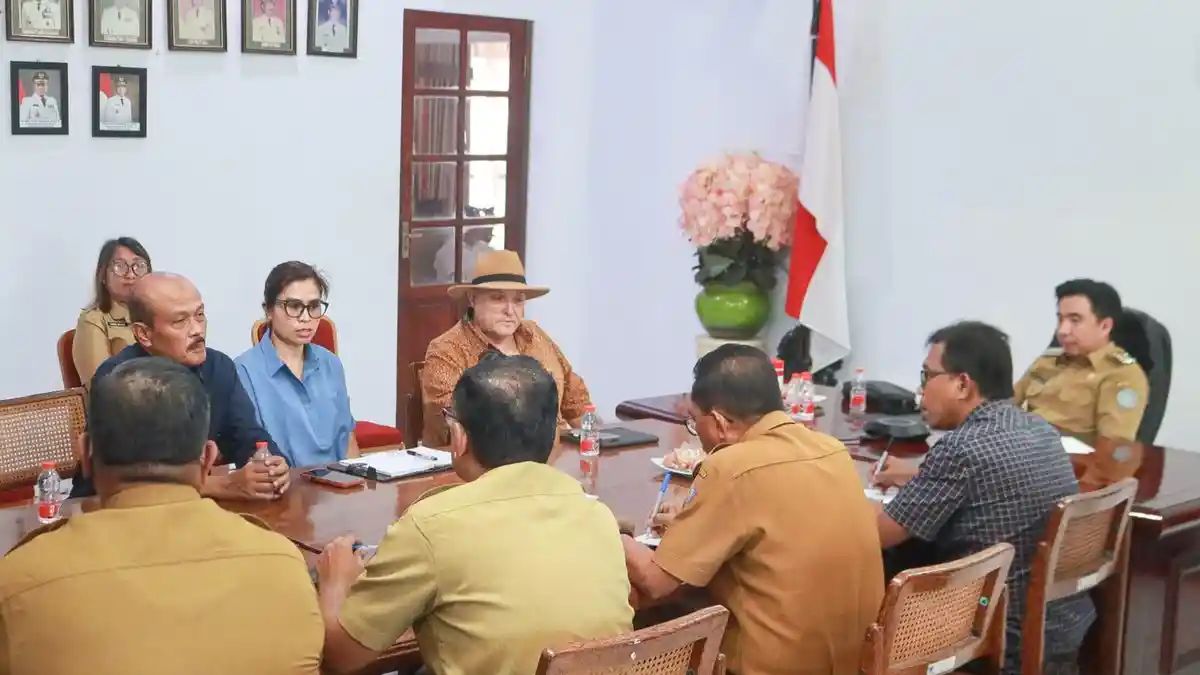
PT Tambang Mas Sangihe (TMS) is targeting the reissuance of approval for gold mining production operations on Sangihe Island, North Sulawesi, in October 2026.TMS President Director Terry Filbert said the company is currently still awaiting the reissuance of the production operations approval, which was previously granted in 2021 but was later temporarily revoked on administrative grounds in 2023.“We hope that in the near future, hopefully next month, we will receive it,” Filbert said during a discussion with journalists on Thursday, September 3, 2026.According to Filbert, the company has fulfilled all requirements requested by the government. The application for the reissuance of the production operations approval was submitted on October 25, 2025, and the company is currently waiting for the Ministry of Energy and Mineral Resources (ESDM) to complete the process.TMS, he said, has completed a feasibility study, an environmental impact assessment (AMDAL), a project development plan, and a post-mining plan, and has also prepared a reclamation guarantee.The company also said it is still conducting community engagement around the proposed mining area.“We actually have not completed the community engagement. We are still in the process of engaging with the community — this is an ongoing process,” he said.Only 65 HectaresFilbert said TMS has a relatively large contract area of around 42,000 hectares. However, only around 65 hectares will be used for mining activities because the area has been approved under the AMDAL.Filbert stressed that holding a large concession area does not mean the entire area will be used for mining activities.“Just because we have 42,000 hectares does not mean we will use 42,000 hectares,” he said.He said mining activities will only be carried out in designated areas that have previously been planned and explored.Illegal Mining ActivitiesFilbert also stressed that TMS has never conducted mining or gold processing activities at the site.Instead, he suspected that illegal mining activities had been taking place while the company’s licensing process was delayed since 2023.“We have never conducted any mining activities at all. We have never carried out a single process here,” he said.According to Filbert, the illegal mining activities even involved heavy equipment. He said there were as many as around 50 units of heavy equipment at the site.Filbert also claimed that the activities had caused environmental damage and accidents.He said at least six people had died in illegal mining activities that he was aware of and that had been publicly reported. He also suspected that mangrove areas and protected forests had been damaged, and that mercury contamination had occurred in water and soil.Company Promises Priority for Local WorkersIf the production operations approval is reissued, TMS said its mining activities will provide economic benefits for the people of Sangihe.The company will prioritize qualified local workers who meet the required qualifications.“If you are from Sangihe, you will have the first opportunity for the job if you meet the qualifications,” he said.In addition to creating direct and indirect employment, TMS plans to provide technical training and employment benefits in accordance with Indonesian labor regulations.Filbert also said the company will provide wages and various employment benefits, including health insurance and social security.He hopes the company’s activities can drive growth in non-mining sectors, including services, trade, tourism, and transportation.TMS Plans to Support TourismTMS also said it plans to support tourism development in Sangihe, particularly diving tourism.Filbert said Sangihe has marine tourism potential, including coral reefs, manta rays, and a number of diving sites.The company is even considering supporting and subsidizing improved air connectivity to Sangihe to encourage tourist arrivals.“Not everyone can be a miner. Not everyone wants to be a miner,” he said.According to him, developing non-mining sectors is important so that the economic benefits generated by the company do not depend solely on employment in the mining sector.Company Promises Reclamation and Environmental MonitoringRegarding environmental protection, Filbert said TMS has prepared a reclamation guarantee of around USD 500,000.The company will also continuously monitor water quality and biodiversity, he said.Waste and tailings management have been planned from the outset. Reclamation will also be carried out gradually throughout the mining activities.“As we conduct mining, we will carry out reclamation. Then eventually, we will close and restore the entire area,” he said.Filbert said the company will preserve the topsoil during mining activities so that it can be reused in the reclamation process.Former mining areas will later be replanted with vegetation so that they are expected to resemble conditions before mining activities began.Geothermal Power Plant Under ConsiderationIn addition to mining activities, TMS said it plans to conduct an initial study on the development of a geothermal power plant on Sangihe Island.Filbert said the proposed power plant could have a capacity of 8 to 10 megawatts.According to him, a more stable electricity supply could help address the island’s current dependence on diesel-powered generators.Filbert believes a stable electricity supply would not only support the company’s operations but could also attract other industries to invest in Sangihe.“At the same time, the electricity could be distributed across the entire island,” he said.TMS also plans to improve internet connectivity, including providing high-speed internet access to schools and village offices through Starlink.The company said it has provided scholarships to university students and plans to continue supporting education and community facilities.TMS Licensing HistoryTMS originated from a Contract of Work granted by the Indonesian government in 1997 to a company called Bre-X. The project was subsequently acquired by a company then known as East Asia Minerals in 2007.Filbert joined the company in 2017 with the task of bringing the project to the production stage.TMS subsequently obtained environmental impact assessment (AMDAL) approval in 2020 and production operations approval in 2021.However, the production operations approval was later temporarily revoked on administrative grounds in 2023. Since then, the company has reapplied to commence production operations.Filbert said the company is currently waiting for the Ministry of Energy and Mineral Resources to complete the process so that the project can enter the production stage.
BUMI Acquires Loyal Metals (LLM) for IDR 1 Trillion, Gaining Gold and Copper Assets in Australia
07 Sep 2026, 03:43 PM 833

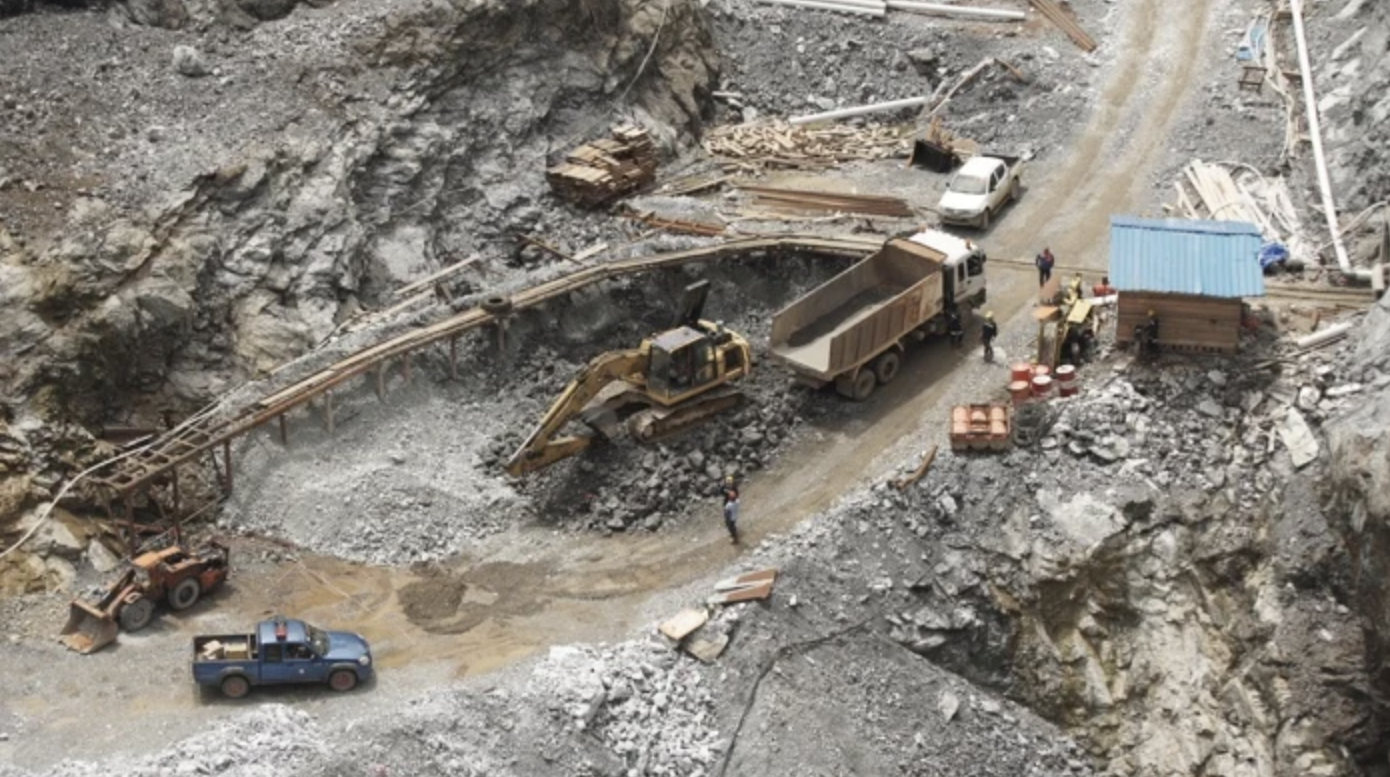
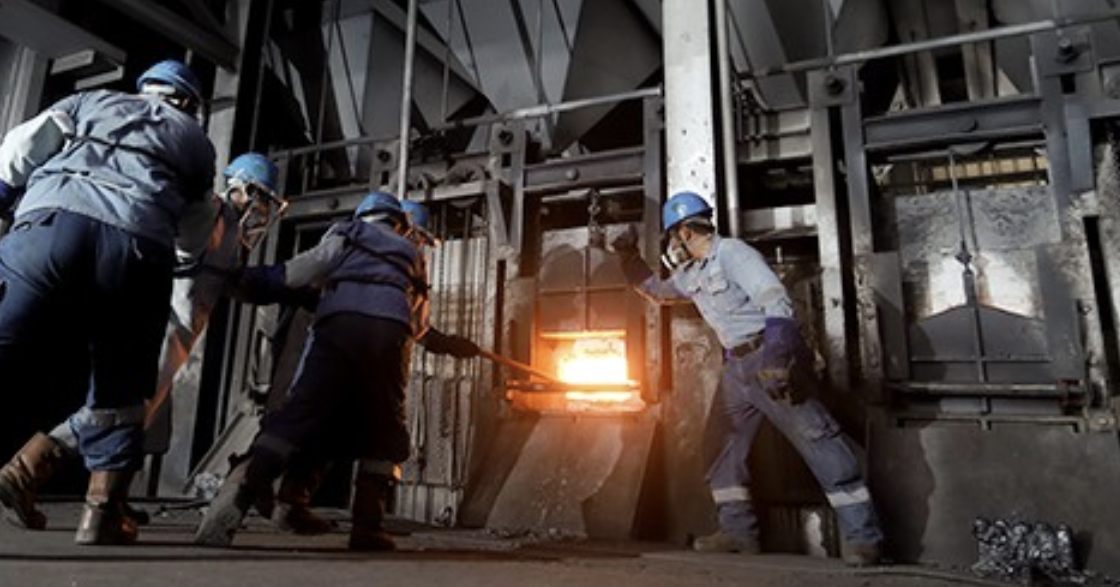
PT Bumi Resources Tbk. (BUMI), through its Australian subsidiary Bumi Resources Australia Pty Ltd (BRA), has acquired 100% of the shares of Loyal Metals Ltd. (LLM), an Australian copper and gold mining company, in a transaction valued at IDR 1 trillion.Bumi Resources Director R.A. Sri Dharmayanti said the transaction was carried out on September 4, 2026, through BRA, a BUMI subsidiary wholly owned by the company.“The company, through its Australian subsidiary Bumi Resources Australia Pty Ltd, which is a subsidiary of the company established under Australian law and 100% owned by the company, has carried out an acquisition transaction for 175,710,515 shares, representing 100% of the issued and fully paid-up shares of Loyal,” BUMI said in an information disclosure on Friday (September 4, 2026).With the transaction, BUMI, through BRA, has become the 100% shareholder of Loyal Metals Ltd., a company established under Australian law.The acquisition transaction was valued at IDR 1,004,742,244,136.50 (IDR 1 trillion), equivalent to AUD 79,069,731.75. As a result, Loyal Metals is now fully indirectly owned by BUMI through BRA.As Indonesia’s largest coal producer, BUMI is stepping up its business diversification strategy.Previously, PT Bumi Etam Chemical (BEC) held the groundbreaking ceremony for the national strategic project (PSN) to gasify coal into methanol on Monday (August 31, 2026).The project is located in the Batuta Chemical Industrial Park (BCIP) area, Bengalon District, East Kutai Regency, East Kalimantan. Construction will utilize approximately 93 hectares of land.The joint venture between two subsidiaries of PT Bumi Resources Tbk (BUMI), namely PT Arutmin Indonesia and PT Kaltim Prima Coal (KPC), targets production of around 2 million tons of methanol per year and has the potential to save up to IDR 7.1 trillion in foreign exchange annually.BEC President Director Rio Supin said the company has entered the engineering stage through the preparation of a Front-End Engineering Design (FEED) and an Engineering, Procurement, Construction, and Commissioning (EPCC) Framework Agreement with PT Istana Karang Laut (IKL) and China National Chemical Engineering Co., Ltd. (CNCEC) since July 29, 2026.“Indonesia’s first coal gasification project is ready to enter the implementation stage, with commissioning targeted for 2029. BEC is ready to support national energy independence and resilience,” Rio said.

Darma Henwa (DEWA) Diversifies Business Portfolio to Drive Sustainable Growth
05 Sep 2026, 04:13 PM 436

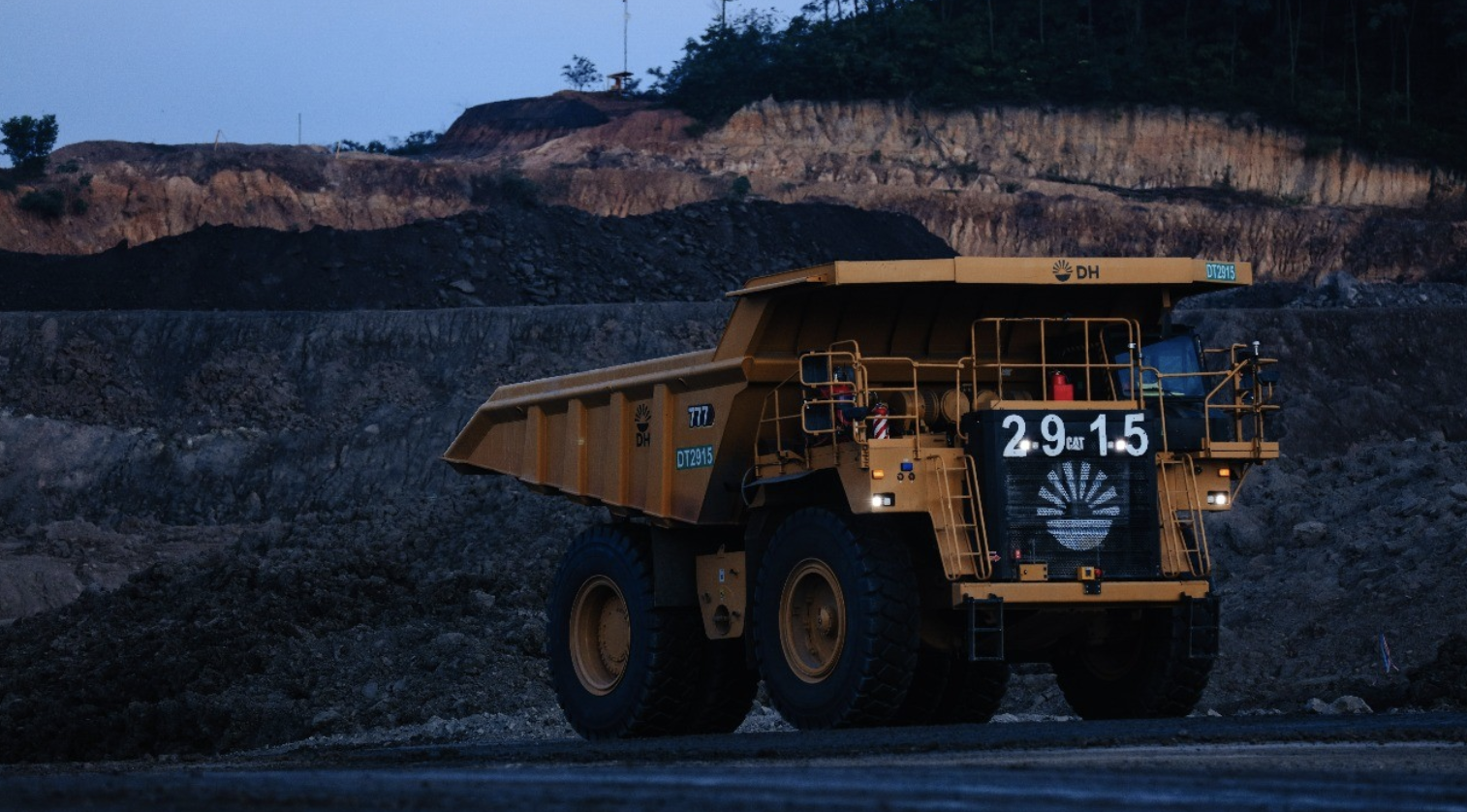
PT Darma Henwa Tbk (DEWA) is preparing to expand its business portfolio by entering the critical minerals and precious metals sectors beyond coal. The diversification move is aimed at transforming the company into a highly competitive investment holding company with sustainable performance growth.The company has long been widely known as an integrated mining services contractor, handling numerous national coal projects. However, management is now refining a long-term roadmap to develop its own mining concession assets while also targeting higher-value-added mineral commodities."Historically, we have indeed been a mining services contractor, but going forward, Darma Henwa wants to become an investment holding company. Going forward, we will not only rely on coal, but will also begin entering other sectors and developing our own assets, particularly the Gayo Mineral Resources gold and copper mine in Aceh, which is currently in the exploration phase," DEWA Director Ricardo Silaen said in The Fundamentals podcast broadcast on YouTube by IDX Channel, as quoted on Saturday (Sept. 5, 2026).Although it is beginning to position itself as a mine owner, the issuer with the DEWA stock code said its core expertise in mining contracting will remain a pillar of the company's operations. The company has just secured a new project contract while actively exploring opportunities to work on nickel and other mineral mines."We want to build an integrated, diversified business that delivers sustainable growth with a combination of good margins and growth. Going forward, we see opportunities in other minerals such as nickel as a contractor, while also developing Gayo as a mine owner," Ricardo said.To strengthen its business ecosystem and reduce operating costs, the company has established three supporting business units, namely DH Listrik, Arunika in the hospitality sector, and DH Infrastruktur. The establishment of the power business line was prompted by a surge in diesel fuel prices, which have doubled and become the largest cost component for conventional heavy equipment."We have prepared these three new businesses to support future needs, particularly to mitigate the surge in diesel energy prices, which have risen from IDR 13,000 to IDR 26,000 per liter. We are striving not only to diversify in terms of business, but also in the energy sources used because the company's competitiveness going forward depends on that," he said.In mitigating the risk of fuel price fluctuations, the company has implemented a cost adjustment scheme borne by the mine owners, while management focuses on maximizing energy efficiency in the field.Meanwhile, industry players hope the government can maintain a consistent regulatory climate so as not to hinder the expansion of the national mining industry."Our service rates are highly competitive compared with competitors, with a pass-through mechanism for fuel, so price increases are borne by the mine owners while we maintain energy-use efficiency. We also hope that regulations going forward will not flip-flop and will continue to support growth, rather than changing constantly or tending to be exploitative," Ricardo said.

Advertisement


Get Your Pass