MIND ID Eyes Domestic Sulfur Potential from Mining Byproducts to Cut Imports
25 Jun 2026, 05:49 PM 719

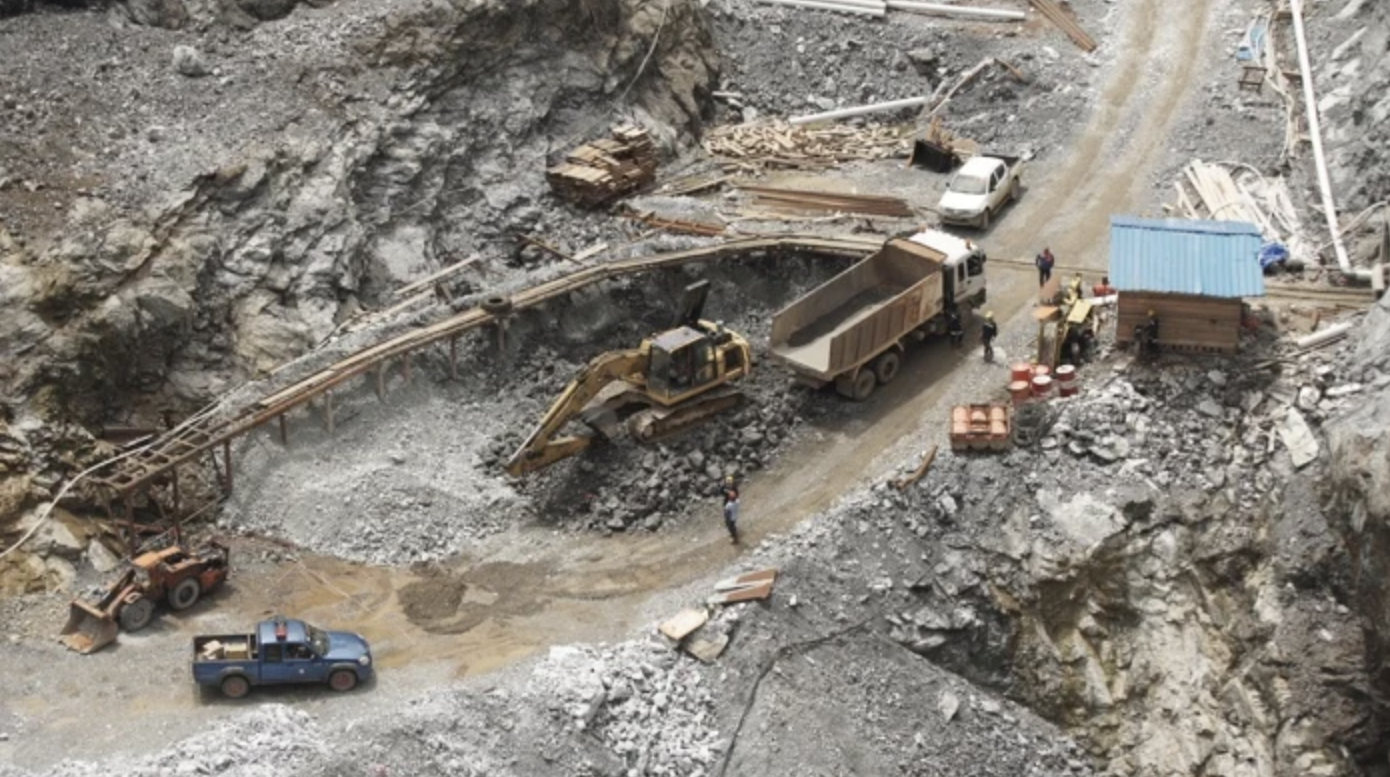
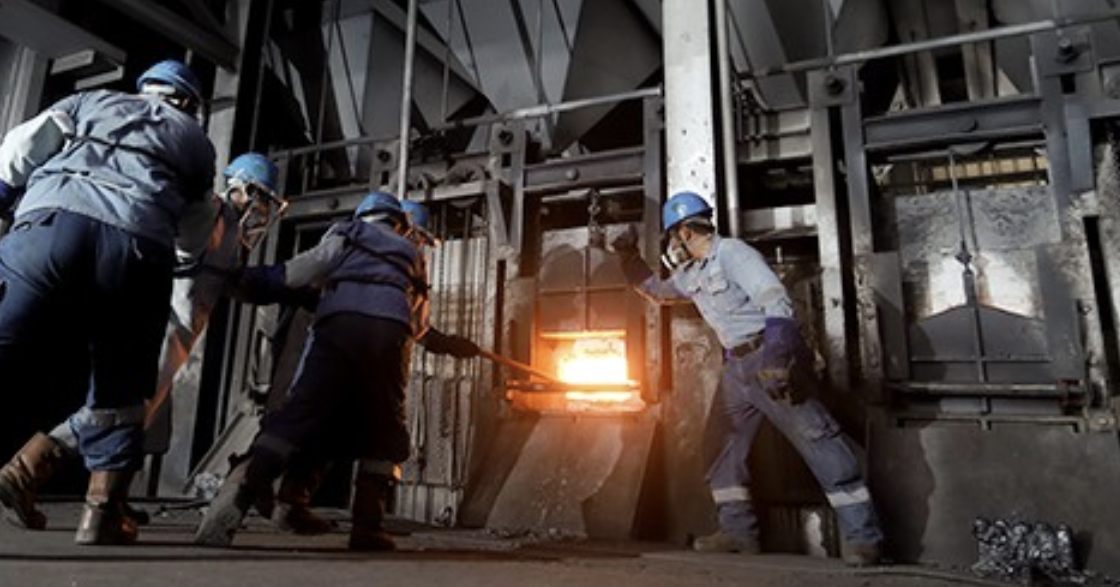
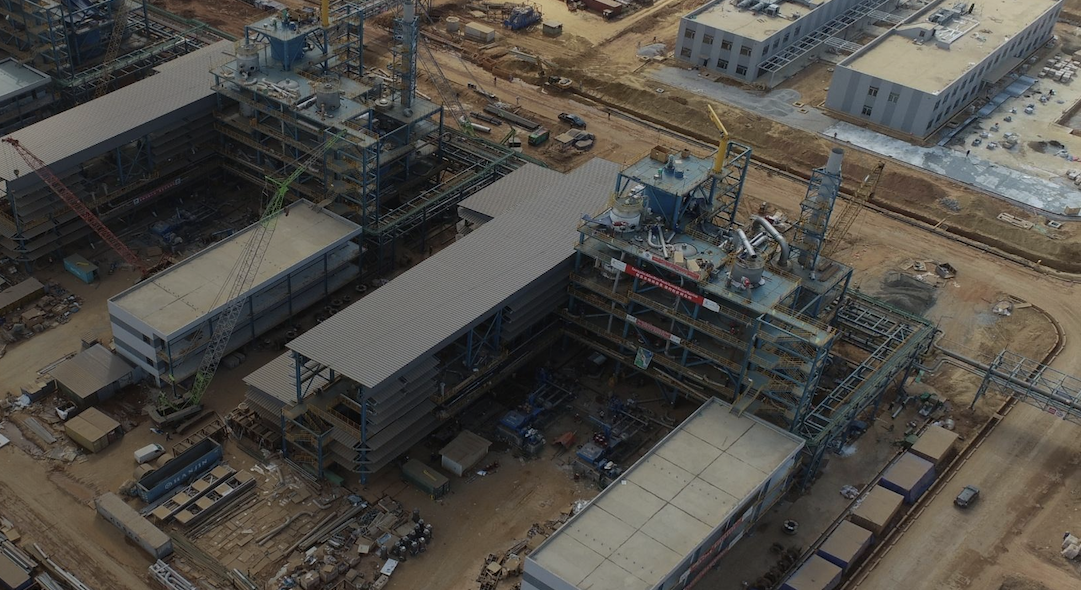
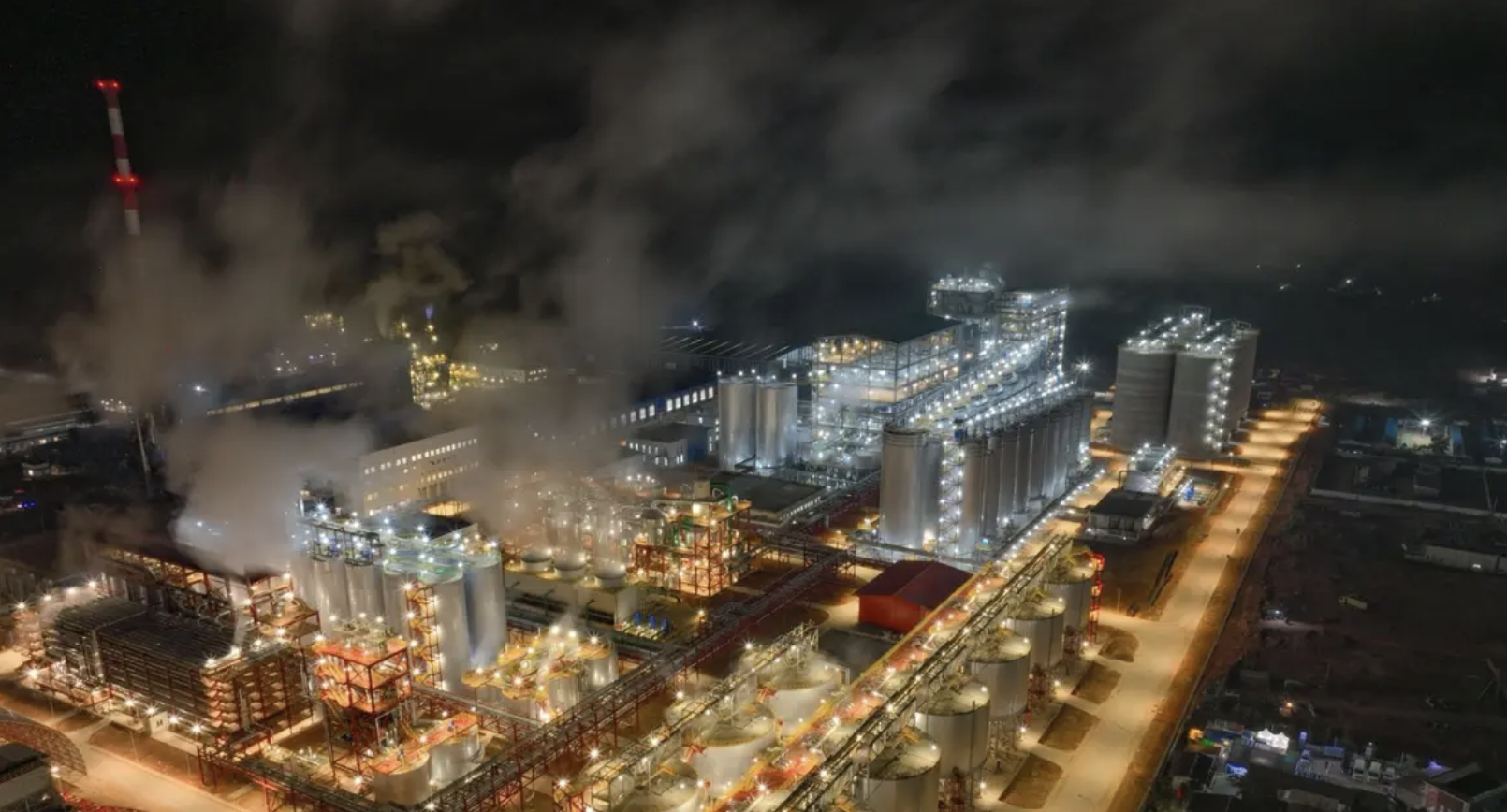
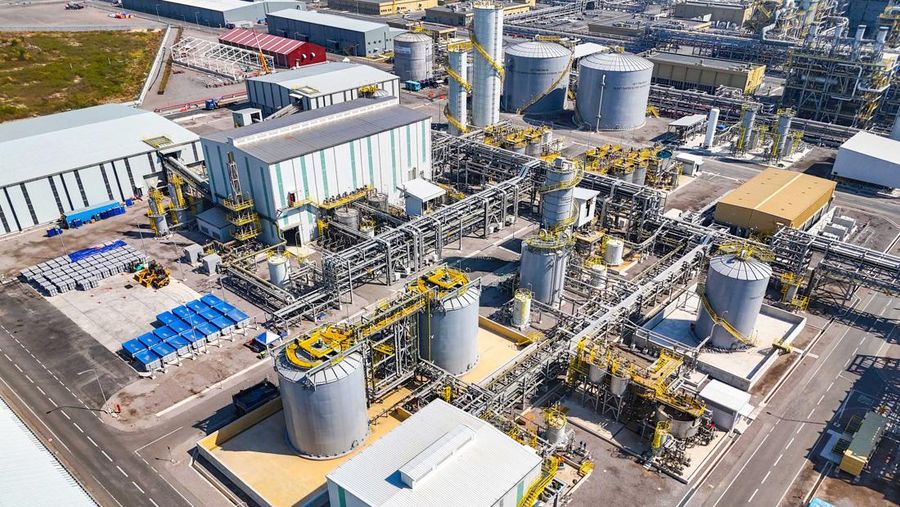
MIND ID has begun mapping the potential development of domestic sulfur sources derived from copper and gold mining by-products. The initiative aims to strengthen raw material supply for the nickel downstream industry while reducing Indonesia’s reliance on imported sulfur.MIND ID Director of Mineral Resource Processing Planning, Budi Santoso, said the move is part of the company’s strategy to support the strengthening of the national mineral downstream ecosystem.According to Budi, sulfur demand for the high pressure acid leach (HPAL) nickel processing industry continues to increase in line with the expansion of the electric vehicle battery raw material industry. To that end, MIND ID and its holding members are inventorying sulfur potential that can be extracted from copper and gold mining by-products.“By-products from copper and gold mining, in the form of iron oxide and iron sulfate, have the potential to be processed and extracted to produce sulfur and sulfuric acid that can be utilized to meet industrial demand,” Budi said in an official statement quoted on Thursday (June 25, 2026).He explained that the development of domestic sulfur sources is becoming increasingly strategic as the number of HPAL projects in Indonesia grows. Sulfur is the primary raw material used in the leaching process of limonite nickel ore to produce mixed hydroxide precipitate (MHP), an intermediate product in the electric vehicle battery supply chain.MIND ID estimates sulfur demand will rise significantly alongside the expansion of nickel processing capacity. Based on the company’s calculations, producing one ton of MHP requires around 11.7 tons of sulfur. As a result, every increase in HPAL capacity will drive higher national sulfur consumption.On the other hand, Indonesia remains dependent on imported sulfur supplies. Budi revealed that more than 70% of sulfur demand for the nickel processing industry is currently met through imports, with around 75% to 80% of supply originating from the Middle East.“The current situation shows that more than 70% of sulfur demand for the nickel industry still comes from imports, while most of the supply originates from the Middle East, a region facing geopolitical dynamics,” he said.Industry data show that Indonesia imports around 5.3 million tons of sulfur annually. The heavy reliance on imports is considered to increase the risk of supply disruptions and price volatility, which could ultimately affect the competitiveness of the country’s nickel downstream industry.In addition to sulfur, MIND ID also sees lithium supply as a continuing challenge for the development of the national battery industry. According to Budi, this is a key reason for Indonesia to continue developing nickel-based battery technology that leverages the country's abundant domestic mineral resources.“We need to encourage the development of more efficient nickel-based battery technology, considering Indonesia has large nickel reserves, while lithium raw materials still have to be imported,” he said.The development of domestic sulfur sources and innovation in nickel-based battery technology are expected to strengthen the independence of Indonesia’s mineral industry while enhancing the country’s position in the global electric vehicle supply chain.

Merdeka Battery Targets 35 Million WMT Nickel Ore Production
25 Jun 2026, 04:51 PM 700

PT Merdeka Battery Materials Tbk (MBMA) has reshuffled its board of directors while setting ambitious production targets for 2026, as shareholders approved the appointment of two new directors to strengthen the company's financial and operational execution at its Annual General Meeting of Shareholders (AGMS) on Wednesday (June 24).Shareholders appointed James Nicholas as Chief Financial Officer and Ashutosh Srivastava Fausimm as Director of Operations, effective upon the conclusion of the AGMS. The meeting also approved the resignation of Anthony Kartono Tan as Director. MBMA expressed its appreciation for Anthony's contributions during his tenure."The strengthened Board of Directors is expected to reinforce MBMA's focus on financial discipline, operational execution, and long-term value creation as the company continues to expand its position across the battery materials value chain," President Director Teddy Nuryanto Oetomo said in a statement.Alongside the board reshuffle, the PT Merdeka Copper Gold Tbk subsidiary unveiled higher production targets for 2026. The company aims to produce 8.0–10.0 million wet metric tonnes (wmt) of saprolite ore and 20.0–25.0 million wmt of limonite ore, bringing its total nickel ore production target to 35 million wmt.Downstream, MBMA targets 70,000–80,000 tonnes of Nickel Pig Iron (NPI) production. Output of High-Grade Nickel Matte (HGNM) is projected at 44,000–48,000 tonnes, representing an increase of up to 140% from the 19,998 tonnes produced in 2025.The targets build on MBMA's solid performance in 2025. The company posted USD 1.435 billion in revenue and USD 219 million in EBITDA during the year. Its Sulawesi Cahaya Mineral (SCM) mine produced 7.0 million wmt of saprolite ore and 14.7 million wmt of limonite ore, while downstream production reached 73,871 tonnes of NPI and 25,994 tonnes of Mixed Hydroxide Precipitate (MHP).To support its production targets, MBMA has commissioned a Feed Preparation Plant (FPP) that transports limonite slurry via pipeline from the SCM mine to the PT ESG New Energy Material HPAL processing facility. The HPAL SLNC project, which has an annual nickel production capacity of 90,000 tonnes, is scheduled to commission its first production line in the second half of 2026.MBMA Board of Directors following the AGMSPresident Commissioner: Winato KartonoCommissioner: Michael W.P. SoeryadjayaIndependent Commissioner: Prof. Dr. Didi AchjariPresident Director: Teddy Nuryanto OetomoDirector: Titien SupenoDirector: James NicholasDirector: Ashutosh Srivastava Fausimm

Vale Indonesia Strengthens Good Mining Practices to Advance Sustainable Mining
24 Jun 2026, 05:35 PM 462

The implementation of Good Mining Practice (GMP) has been identified as key to addressing the increasingly complex challenges facing the mining industry, ranging from environmental and social issues to the need to supply critical minerals to support the energy transition.The issue was highlighted during a talk show titled Sustainability Mining for the Future: Technical Excellence, Innovation, and Good Mining Practices, organized by PT Vale Indonesia Tbk in collaboration with the Bandung Institute of Technology (ITB) and supported by the Ministry of Energy and Mineral Resources (ESDM) in Bandung.Ari Hendarwanto, Mineral Conservation Coordinator at the Directorate of Mineral and Coal Engineering and Environment of the Ministry of Energy and Mineral Resources, said the implementation of Good Mining Practice must serve as the primary foundation for mineral resource management in Indonesia.According to him, mineral conservation is not only focused on the efficient utilization of resources but also includes optimizing value addition, reducing environmental impacts, and strengthening sustainable mining governance."The implementation of Good Mining Practice is an important foundation to ensure that the utilization of mineral resources delivers optimal benefits for the country while maintaining environmental and social sustainability," Ari said.M. Slamet Sugiharto, Director and Chief Strategy and Technical Officer of PT Vale Indonesia Tbk, said the sustainability of the mining sector is determined not only by compliance with regulations but also by the industry's ability to integrate innovation, technology, and data-driven decision-making.According to him, sustainable mining practices must be built through a long-term approach that prioritizes a balance between operational performance, environmental protection, and value creation for communities."Technical excellence and innovation must go hand in hand with environmental and social responsibility. The future of Indonesia's mining industry depends on our ability to implement Good Mining Practices consistently and sustainably," Slamet said.Ahmad Ihsan, a lecturer at the Faculty of Mining and Petroleum Engineering (FTTM) at ITB, said collaboration between universities and industry must continue to be strengthened to accelerate the development of safer, more efficient, and more sustainable mining technologies.According to him, expertise in digital technology, artificial intelligence, ventilation systems, and mine safety will become essential competencies for the next generation of mining engineers.Meanwhile, Prof. Irwan Meilano, ITB's Vice Rector for Academic and Student Affairs, said universities have a strategic role in preparing human resources who are not only technically competent but also aware of sustainability and social responsibility.He said collaboration among academia, industry, government, and students is an important foundation for building an innovative and sustainable mining ecosystem.According to data from the Ministry of Energy and Mineral Resources, the mining sector contributed around 8.5% to 9% of Indonesia's gross domestic product (GDP) in 2025. Meanwhile, non-tax state revenue (PNBP) from the mineral and coal sector reached IDR 130.2 trillion.Despite this contribution, the mining sector continues to face a number of challenges, including carbon emissions, social impacts on communities surrounding mining areas, and post-mining environmental management. Therefore, strengthening technological innovation, enhancing human resource capabilities, and implementing Good Mining Practice are considered key factors in maintaining both the competitiveness and sustainability of Indonesia's mining industry.

Indonesia's Mineral Downstream Investment Hits IDR 98 Trillion in Q1 2026, Led by Nickel, Copper and...
24 Jun 2026, 05:14 PM 783

Indonesia's mineral downstream sector recorded strong investment performance in early 2026. Based on data from the Ministry of Energy and Mineral Resources (ESDM), realized investment in mineral downstream industries reached IDR 98.3 trillion in the first quarter of 2026, accounting for around 67% of total downstream investment, which amounted to IDR 147.5 trillion. The figures show that minerals remain the main driver of Indonesia's downstream program, with nickel, copper, and bauxite emerging as the three largest investment-attracting commodities.Nickel Leads Mineral Downstream Investment at IDR 41.5 trillionNickel once again led mineral downstream investment, with realized investment reaching IDR 41.5 trillion in the first quarter of 2026. The figure reflects Indonesia's strong position as a major global player in the electric vehicle battery supply chain. Central Sulawesi and North Maluku were the two regions with the highest concentration of nickel investment, where nickel processing industrial parks and EV battery ecosystems are developing rapidly.ANTAM, as part of the MIND ID Group, is a key player in the nickel value chain. Significant investment in the nickel sector has been driven by growing global demand for lithium-ion batteries, in line with the accelerating adoption of electric vehicles in Europe, America, and East Asia.Copper and Iron and Steel Record Significant InvestmentCopper ranked second, with downstream investment totaling IDR 20.7 trillion in the first quarter of 2026. PT Freeport Indonesia is the main player in this commodity, with its copper and gold mine in Papua continuing to make a significant contribution to the country's foreign exchange earnings. The copper downstream program is focused on developing higher value-added products such as copper cathodes and downstream products for the electronics and infrastructure industries.The iron and steel sector also recorded strong performance, with investment reaching IDR 17 trillion, reflecting the growth of the domestic steel industry driven by infrastructure demand. Meanwhile, bauxite, the raw material for aluminium, recorded investment of IDR13.7 trillion, followed by tin at IDR 2.9 trillion and other commodities at IDR 2.5 trillion.75% of Investment Outside Java Boosts Regional EconomiesOne of the most notable positive impacts of the mineral downstream program is the more even geographical distribution of investment. Around 75% of total mineral downstream investment in the first quarter of 2026 was located outside Java, mainly concentrated in mineral-producing regions such as Central Sulawesi, North Maluku, Papua, and Bangka Belitung.The concentration of investment in these regions has not only created direct employment in the mining and processing sectors but has also supported local economic growth through demand for infrastructure, services, and supporting labour. Going forward, the government aims for Indonesia to become a key global player in the EV battery supply chain and green technology by leveraging its abundant reserves of strategic minerals.

PTBA Ensures Coal Production Remains Stable Despite Full Implementation of Mandatory B50 Biodiesel i...
21 Jun 2026, 04:20 PM 593

The Indonesian government has scheduled the full implementation of a mandatory biodiesel policy requiring a 50 percent blend of vegetable oil, known as B50. The alternative energy policy is set to take effect nationwide.The strategic policy is targeted to be implemented starting July 1, 2026. It forms part of the government’s broader efforts to accelerate the national energy transition toward more sustainable resources.In response, PT Bukit Asam Tbk (PTBA) has stated its readiness to adapt to the upcoming regulatory change. As one of the country’s major coal producers, the company’s response is being closely watched by markets and stakeholders.PTBA said that while there are indications of potential technical adjustments required for mining equipment, its production targets remain intact. This suggests that the company has already prepared mitigation measures to manage operational risks.The company emphasized that the implementation of the B50 policy is not expected to significantly disrupt its previously set coal production targets. PTBA described this as part of its commitment to supporting the government’s energy transition agenda.Quoted from Tren.BisnisMarket.com, PTBA reiterated its readiness to face the rollout of the government’s alternative energy policy, underscoring its alignment with national energy objectives.Furthermore, the company maintained that although some technical adjustments may be required for mining heavy equipment, the policy will not interfere with its production targets, indicating that operational adaptation has already been accounted for.PTBA’s commitment is presented as part of its support for Indonesia’s ongoing national energy transition program. The move reflects the active role of state-owned enterprises in advancing the country’s sustainability agenda.

PT Vale Involves 27 Local Contractors and 34 Subcontractors in the Development of IGP Morowali
21 Jun 2026, 04:03 PM 631

PT Vale Indonesia Tbk is continuing to strengthen the involvement of local businesses in the development of its Indonesia Growth Project (IGP) Morowali by implementing a priority system for contractors originating from the company’s empowerment regions.Head of the Bahodopi Project IGP Morowali, Wafir, said the policy is part of the company’s commitment to supporting regional economic growth while ensuring that local communities benefit from the presence of the strategic project.According to Wafir, PT Vale implements its local contractor empowerment mechanism in collaboration with the Local Contractors Association, while remaining aligned with applicable regulations and corporate policies.“Consistent with prevailing regulations and policies, PT Vale will seek to apply a priority system in terms of the involvement of local contractors in the IGP Morowali empowerment area,” Wafir said.He explained that the company actively opens opportunities for local contractors to participate in various works supporting project operations. The selection process is conducted through a prequalification mechanism designed to ensure the readiness and competence of local service providers.Over the past two years, a total of 40 verified local contractors have participated in the prequalification process using the P2M method. Of these, 27 local contractors have been directly involved in project execution.In addition, the participation of local businesses is also reflected in the involvement of 34 local subcontractors working under PT Vale’s main contractor partners.“PT Vale carries out a local contractor empowerment mechanism through collaboration with the Local Contractors Association. Over the past two years, out of 40 verified local contractors who participated in the P2M prequalification process, 27 contractors and 34 local subcontractors under main partners have been involved in supporting the continuity of the IGP Morowali project,” Wafir said.The involvement of local contractors and subcontractors is expected not only to support the smooth development of the IGP Morowali project, but also to enhance local business capacity, expand employment opportunities, and generate broader economic spillover effects for communities surrounding the company’s operational areas.

Freeport’s Manyar Smelter to Resume Operations in September 2026, 1.7 Million-Ton Capacity Targete...
21 Jun 2026, 03:56 PM 1548

PT Freeport Indonesia (PTFI) is targeting the resumption of copper concentrate processing at the Manyar Smelter in the Java Integrated Industrial and Port Estate (JIIPE) Special Economic Zone in Gresik in September 2026. Initial operations of the refining facility will begin at limited capacity before being gradually ramped up over time.PTFI President Director Tony Wenas said preparations for the restart of the Manyar Smelter are currently progressing on schedule. The ramp-up in utilization will be carried out in stages, depending on the availability of copper concentrate supply.“Everything is currently on track. In the second quarter of 2026, utilization is expected to increase to around 50 percent. At that level, all concentrate can still be absorbed by PT Smelting,” Tony said after attending the signing of a memorandum of understanding between the Mimika Regency Government and PTFI in Jakarta on Wednesday (June 17, 2026).He added that in the third quarter of 2026, utilization is projected to rise further to around 65 percent. At that stage, part of the concentrate supply will begin to be diverted and processed at the Manyar Smelter.“Around September 2026, the Manyar Smelter will start production again and begin processing concentrate, although still in limited volumes,” he said.Prior to the Manyar facility absorbing additional feedstock, available output at roughly 50 percent utilization will continue to be processed at PT Smelting.The PT Smelting facility in Gresik is one of PTFI’s existing copper concentrate refining assets, with a processing capacity of around 1.3 million tons per year.Meanwhile, the Manyar Smelter in the JIIPE Special Economic Zone has a larger capacity of approximately 1.7 million tons of copper concentrate annually. The facility was developed as part of Indonesia’s broader push to expand domestic mineral processing and refining capacity.The smelter previously suffered a setback after a sulfuric acid plant fire incident in October 2024 during its commissioning phase, which prevented it from entering full commercial operation.Tony said the ramp-up of the Manyar Smelter will continue in phases, targeting utilization of around 65 percent by the end of 2026, increasing to 75 percent by the end of the first half of 2027, and reaching full capacity by the end of the second half of 2027.Meanwhile, concentrate supply is closely tied to production at the Grasberg Block Cave (GBC) mine. Before operational disruptions caused by a mud rush incident in 2025, GBC was one of PTFI’s key underground production areas.Following the incident, output from GBC has been gradually restored. Tony said production is now back online, although volumes remain limited.“Grasberg Block Cave has resumed production, but output is still limited. Full production from Production Block 1 is targeted to begin by the end of 2027,” he said.

Central Omega (DKFT) Plans to Submit a Revision of Its RKAB to Increase Nickel Ore Production Quota
18 Jun 2026, 04:13 PM 695

PT Central Omega Resources Tbk (DKFT) is preparing to submit a revision to its 2026 Work Plan and Budget (RKAB) to Indonesia’s Ministry of Energy and Mineral Resources (ESDM), seeking an additional production quota for nickel ore in the second half of 2026.DKFT Director Andi Jaya said the production quota allocated under the 2026 RKAB represents a decline of around 35 percent compared with last year. As a reference, the company’s nickel ore production reached 2.92 million tons in 2025.Following the reduction in its allocated quota, DKFT has adjusted its 2026 nickel ore sales target to 1.9 million tons, lower than the 3.02 million tons recorded in 2025.To optimize production capacity and support sales performance, the company plans to request an additional quota. The Directorate General of Mineral and Coal (Ditjen Minerba) at ESDM has opened the opportunity for mining companies to submit RKAB revisions in July 2026.Andi did not disclose the exact additional quota DKFT will propose, but indicated that the company aims to optimize production closer to 4 million tons this year.“We plan to submit an RKAB revision in July, with the target of optimizing production back toward around 4 million tons,” Andi said when contacted on Thursday (June 18, 2026).He also declined to specify the remaining production quota currently held by the company, but confirmed that mining operations continue in line with the allocated allowance. “We are still within safe limits,” he said.In the first quarter of 2026, DKFT recorded nickel ore production of 554,376 tons, down 44.37 percent year-on-year from 996,598 tons in the same period last year. Sales volume also fell 19.01 percent to 754,860 tons from 932,014 tons in Q1 2025.Despite this, DKFT managed to post higher revenue and net profit. The company’s sales rose 20.20 percent year-on-year to IDR 506.01 billion from IDR 420.96 billion. Net profit also surged 72.97 percent to IDR 238.45 billion from IDR 137.85 billion through March 2026.The improvement was driven by a 43 percent increase in average selling prices in Q1 2026. “The positive performance in Q1 2026 was driven by our strategy to optimize market momentum and a shift in our sales mix,” Andi said.For the full year, DKFT is projecting revenue of around IDR 1.6 trillion and net profit of approximately IDR 628.9 billion. “We will continue to monitor market movements and regulatory dynamics to ensure our operational strategy remains adaptive and our profitability targets are maintained,” he added.

Ministry of Energy and Mineral Resources Projects Critical Mineral Demand to Surge
18 Jun 2026, 03:20 PM 658

Global demand for critical minerals is projected to continue rising sharply through 2040, driven by the accelerating transition toward renewable and low-carbon energy systems. This trend in the utilization of strategic commodities was reported by Bloomberg Technoz based on projections released by Indonesia’s Ministry of Energy and Mineral Resources (ESDM) on Wednesday, June 17, 2026.Cecep Mochammad Yasin, Director of Mineral Business Development at the Directorate General of Minerals and Coal (Minerba), confirmed that materials such as lithium, cobalt, graphite, copper, and rare earth elements have become essential inputs for environmentally friendly technologies. As a result, control over the mining sector is expected to play a decisive role in determining a country’s future economic competitiveness.“Global trends indicate a structural transformation in the world’s energy needs. Demand for critical minerals is projected to continue increasing through 2040 to support the development of electric vehicles, batteries, renewable energy systems, and modern electricity grids,” Cecep said during a public discussion hosted by the Institute for Development of Economics and Finance (Indef) on Wednesday (June 17, 2026).The government believes that sovereignty in this sector cannot be limited to ownership of raw natural resource reserves beneath the ground. Strengthening capabilities in downstream processing, domestic market management, and sustainable manufacturing will be essential to securing Indonesia’s bargaining position in the global economy.“Sovereignty does not end with ownership of resources. It must be realized through mastery of processing, manufacturing, market development, and a sustainable mining industry,” Cecep emphasized.Despite the enormous opportunities presented by the global market, Indonesia’s investment climate continues to face challenges stemming from overlapping regulations across sectors. Governance policies for mining commodities are often viewed as insufficiently aligned among ministries and government agencies.Fitria Astuti Firman, Associate Energy Analyst at the Secretariat General of the Ministry of Energy and Mineral Resources, stated that the government is actively working to address regulatory gaps to secure the future of Indonesia’s mining industry. Efforts to harmonize cross-sector policies are being accelerated in order to provide greater legal certainty for investors and industry participants.“Regulations are not changing because the government is indecisive. There are gaps and shortcomings in the regulatory framework that need to be addressed. Our shared objective is to strengthen and improve the mining industry for the future,” Fitria explained.To overcome investment barriers and capitalize on global opportunities, the ministry is focusing on optimizing financial incentives through a fair and transparent mineral benchmark pricing formula. Additional strategic measures include the development of national Environmental, Social, and Governance (ESG) standards and the implementation of the Minerba Online digital licensing system to streamline bureaucratic processes.“There are indeed instances where ministries and agencies may not be fully aligned. This remains a cross-sector challenge that requires further work. Hopefully, investors will also view these developments as part of a broader effort to improve the sector. The industry itself must continue to grow and mature,” Fitria said.“The government continues to refine the Mineral Benchmark Price (HPM) formula for metals and coal to ensure pricing fairness while optimizing state revenues,” she added.“This initiative is crucial to ensuring that Indonesian mineral products can be integrated into global supply chains. A successful example is the partnership between PT Vale and global automotive giants such as Ford and Volkswagen, both of which require compliance with internationally recognized ESG standards,” Fitria noted.According to official government data, five key commodities currently serve as the foundation of Indonesia’s mining downstream development strategy.Indonesia’s Key Critical Mineral CommoditiesMineralGlobal RankingEstimated Reserve LifespanPrimary UsesNickelLargest reserves in the worldApproximately 31 years (annual production of 190 million tons)Electric vehicle batteries, stainless steelTinSecond-largest reserves in the worldApproximately 22 years (annual production of 65,000 tons)Electronic components, soldering materials, solar panelsBauxite (Aluminum)Fourth-largest reserves globally (1.2 billion tons)Not specifiedManufacturing, electric vehicle bodies, electrical cablesCopperSeventh-largest reserves globally (28 million tons)Not specifiedRenewable energy generators, electric motors, electrical wiringRare Earth Elements (REEs)Preliminary indicative potential across 1.2 million hectaresNot specifiedBy-products of tin mining, including monazite and xenotime

Advertisement