PTRO Secures IDR 9.3 Trillion Mining Contract
24 Jul 2026, 11:02 AM 956

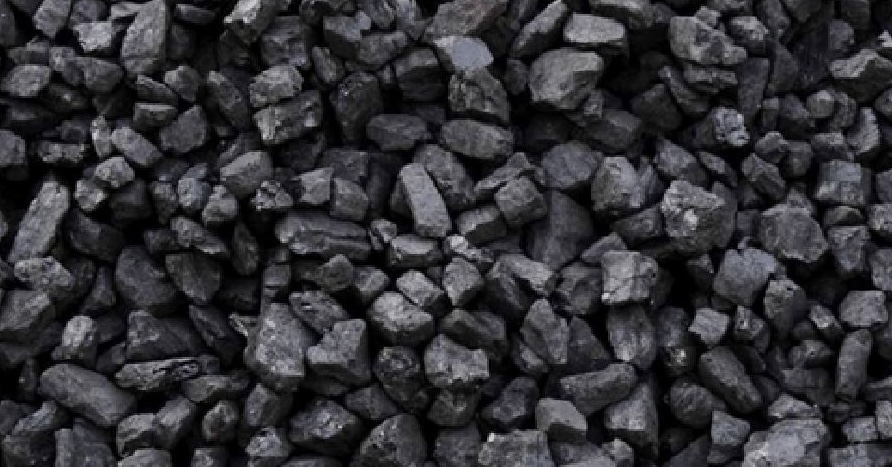
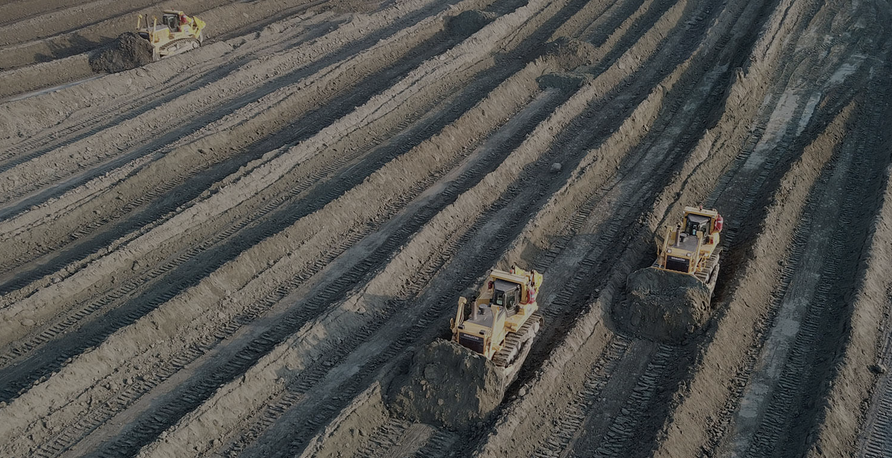
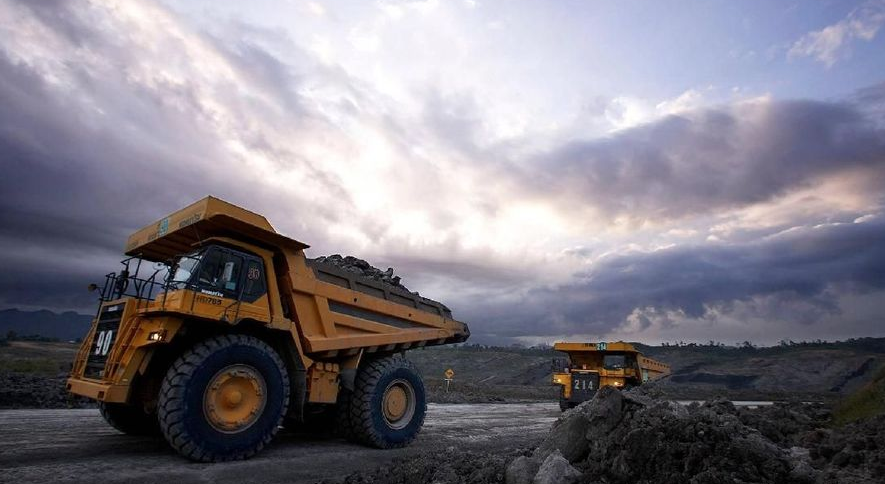
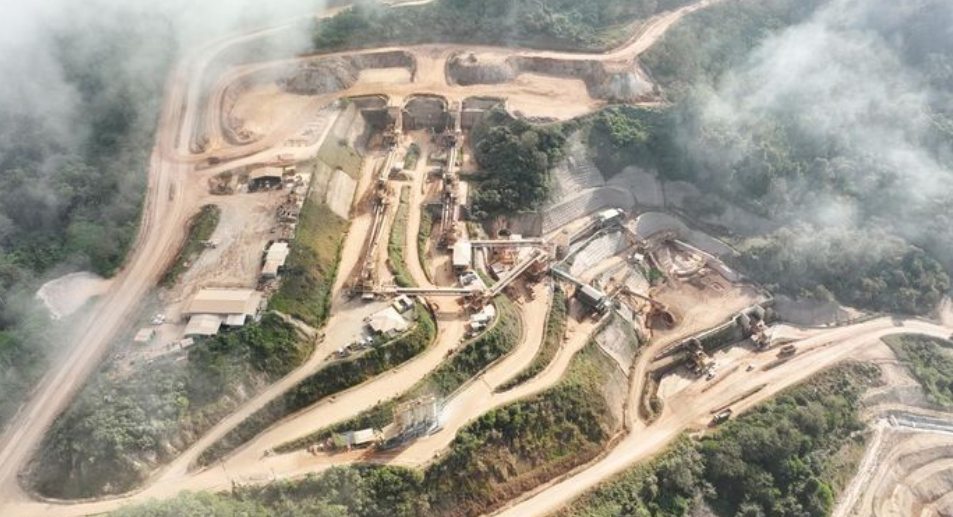
PT Petrosea Tbk (PTRO) has secured two coal mining services contracts from Indonesian companies PT Pesona Bara Cakrawala (PBC) and PT Cakrawala Bara Persada (CBP), both indirect subsidiaries of PT Singaraja Putra Tbk (SINI), with a combined contract value of IDR 9.3 trillion.PTRO Corporate Secretary Anto Broto said the agreements were signed on Thursday (23 July 2026)."On 23 July 2026, the company signed coal mining services agreements with two coal mining companies in Indonesia," Anto said in a disclosure to the Indonesia Stock Exchange (IDX) on Friday (24 July 2026).PBC holds a Production Operation Mining Business Licence (IUP-OP) in Kapuas Regency, Central Kalimantan.Under the agreement, Petrosea will undertake the project for the life of the mine, with estimated overburden removal of 189 million bank cubic metres (BCM) and coal production of 42 million tonnes.The PBC contract is valued at approximately IDR 7.7 trillion, calculated based on the Indonesian Coal Index (ICI) prevailing on the agreement's signing date.CBP also holds a Production Operation Mining Business Licence (IUP-OP) in Kapuas Regency, Central Kalimantan. The contract will likewise run for the life of the mine, with estimated overburden removal of 40 million BCM and coal production of 8 million tonnes.The CBP contract is valued at around IDR 1.6 trillion, also based on the Indonesian Coal Index (ICI) at the time the agreement was signed.Under both agreements, Petrosea will act as the mining services contractor. The scope of work includes overburden removal and hauling, rock fragmentation, and coal mining operations."The company will act as the mining services contractor, with the scope of work including overburden removal and hauling, rock fragmentation, and coal mining operations," the company said.PTRO's management said the contracts are expected to have a positive impact on the company's business continuity while strengthening its financial and operational performance.The company also noted that PBC and CBP are affiliated parties, as both are indirectly controlled subsidiaries of SINI.Petrosea further stated that the transactions are exempt from certain requirements under Financial Services Authority (OJK) Regulation No. 42/POJK.04/2020 on Affiliated Party Transactions and Conflict of Interest Transactions.Referring to Article 8 of the regulation, listed companies are exempt from the requirements under Article 4 paragraph (1) if affiliated party transactions are conducted in the ordinary course of business, generate revenue, and are carried out on a routine, recurring, and/or continuous basis.Petrosea also confirmed that the transactions do not involve any conflict of interest as defined under OJK Regulation No. 42/POJK.04/2020.Accordingly, the company said the agreements are only required to be disclosed in its annual report or annual financial statements.PTRO shares declined in Friday's trading. As of 3:16 p.m. Jakarta time, the stock traded at IDR 4,730 per share, down 180 points, or 3.67%, from the previous close.During the session, PTRO shares rose as high as IDR 4,970 before reversing course. Selling pressure later pushed the stock to an intraday low of IDR 4,640.Ahead of the market close, the shares recovered part of their losses, trading in the IDR 4,700–IDR 4,780 range before finishing the session at IDR 4,730 per share.

Indonesia Accelerates Bauxite-to-Aluminium Downstream Processing, Creating 15 Times More Value
23 Jul 2026, 10:55 AM 893

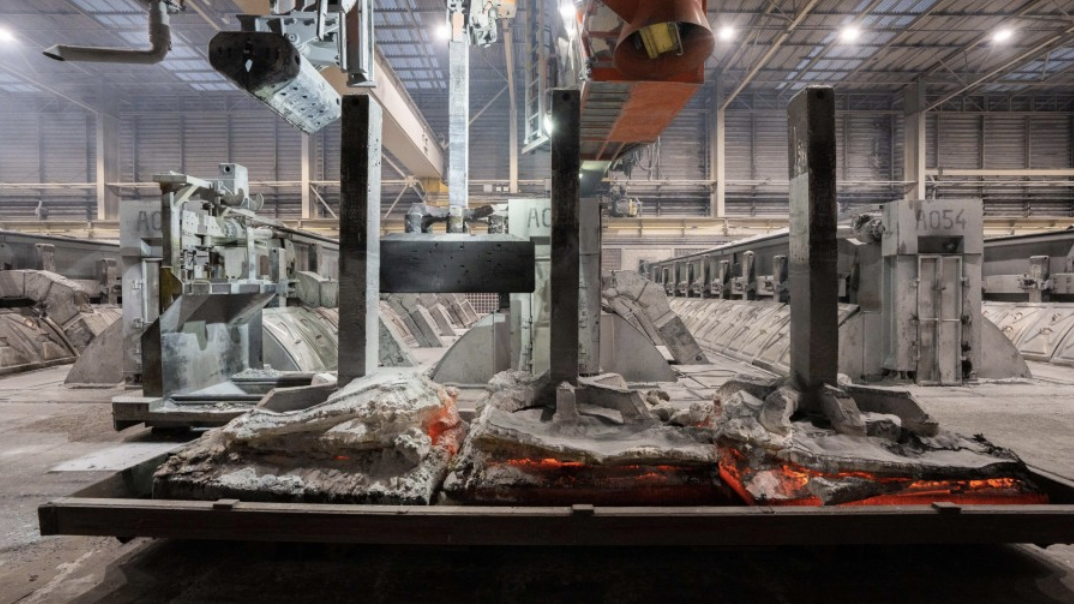
The Indonesian Bauxite Association (ABI) says accelerating downstream processing of bauxite through to aluminium production could increase the commodity's value by as much as 10 to 15 times."If bauxite is sold as raw ore, its value is very low. However, once it is fully processed, its value can increase by 10 to 15 times, depending on quality and market prices," ABI Chairman Ronald Sulistyanto told Bisnis on Thursday (23 July 2026).Ronald added that fully processing bauxite into aluminium is crucial to reducing Indonesia's reliance on imports.Indonesia's domestic aluminium demand is still largely met through imports, as locally produced alumina has yet to be processed further into aluminium on a significant scale."Particularly for aluminium, most of our domestic demand has long been met through imports because the alumina we produce is not yet processed further. If we process it all the way into aluminium, the economic value generated will be substantial," he said.Investment ShiftHe said investment is now shifting simultaneously from bauxite refining into alumina production and further downstream into aluminium smelting.Since the government launched its downstream processing policy in 2014, Ronald said Indonesia's bauxite mining industry has continued to record positive developments, particularly with the entry of new investors."Over the past three to four years, the development of aluminium smelters in Indonesia has accelerated significantly," he said.According to ABI, around 17 companies are currently involved in bauxite-to-alumina processing projects. Of these, 14 are in the preparation stage, while three have already broken ground.In the aluminium refining segment, ABI estimates that three to four companies have begun constructing aluminium smelters, while another five are in the planning phase."We are very pleased to see the optimism surrounding bauxite downstream processing finally becoming a reality," Ronald said.Maintain Production BalanceDespite rising downstream investment, Ronald believes Indonesia should maintain annual bauxite ore production at around 50 million tonnes."Production should not exceed around 50 million tonnes per year. In addition to preserving reserves, this is important to keep bauxite ore prices at healthy levels," he said.According to Ronald, annual bauxite production of around 50 million tonnes would generate an estimated 15 million to 17 million tonnes of alumina.Assuming each refinery produces around 2 million tonnes of alumina annually, Indonesia would require a maximum of about eight refineries.If each refinery has a capacity of 3 million tonnes per year, the country would need only around five to six facilities."This is a simple estimate based on the material balance between bauxite ore production and alumina requirements," he said.He added that maintaining this balance is essential to ensuring refinery investments remain economically viable throughout their operational lifespan.For the first time, domestic bauxite downstream projects have become Indonesia's largest source of downstream investment, overtaking nickel, which has long dominated investment in the mineral processing sector.According to data from the Ministry of Investment and Downstream Processing/Investment Coordinating Board (BKPM), the bauxite sector became the main driver of national investment growth in the second quarter of 2026, recording realised investment of IDR 40.1 trillion.The figure represents a 193% increase from IDR 13.7 trillion in the first quarter of 2026.Bauxite was followed by nickel with IDR 29.4 trillion in realised investment, copper at IDR 16.7 trillion, steel at IDR 13.2 trillion, silica sand at IDR 4 trillion, and other commodities—including tin, gold, silver, cobalt, manganese, coal, Buton asphalt, and rare earth metals—totalling IDR 4.7 trillion.Minister of Investment and Downstream Processing and BKPM Head Rosan Perkasa Roeslani said the shift was driven by the accelerated development of bauxite processing projects financed by both domestic and foreign investors."Bauxite is now number one. Usually nickel takes the top spot, but we are seeing a shift because several bauxite processing projects are being developed by both domestic and foreign investors," Rosan said while presenting Indonesia's investment performance to President Prabowo Subianto at the Presidential Palace complex recently.According to Rosan, the trend demonstrates that Indonesia's downstream processing programme is no longer dependent on a single natural resource.However, he acknowledged that processing for most non-nickel commodities remains in the early stages of supply chain development."The downstream processing we are undertaking for many commodities is still largely at the first or second stage," he said.

Bauxite Overtakes Nickel, Downstream Investment Reaches IDR 40.1 Trillion
20 Jul 2026, 11:32 AM 624

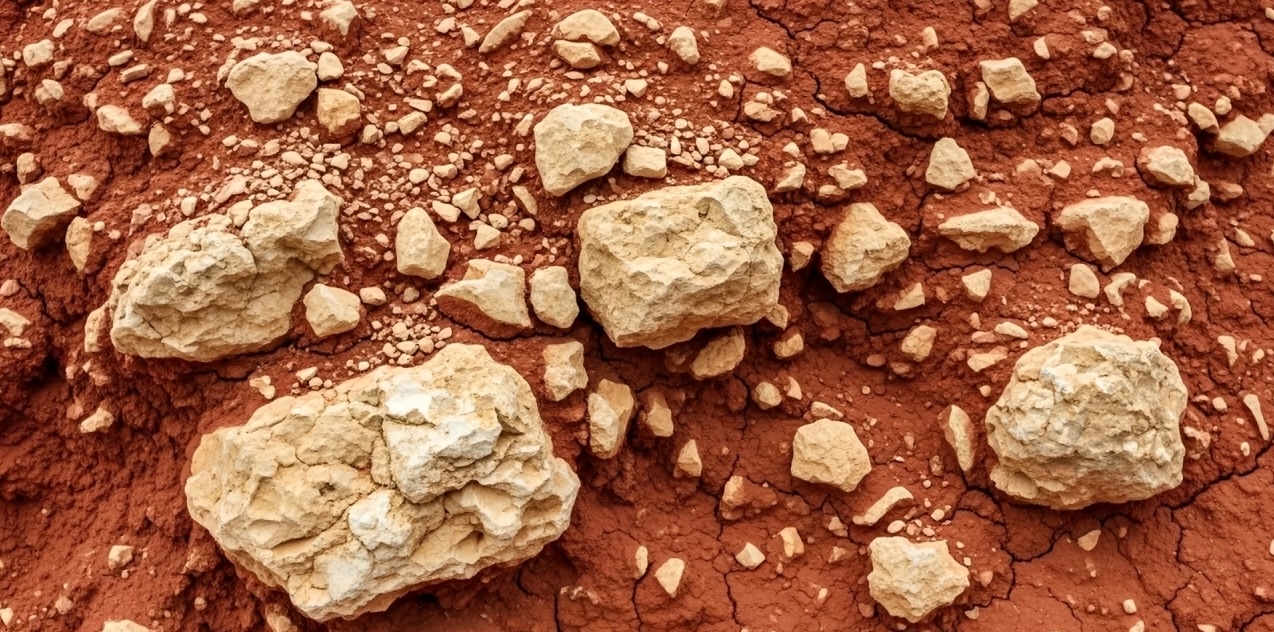
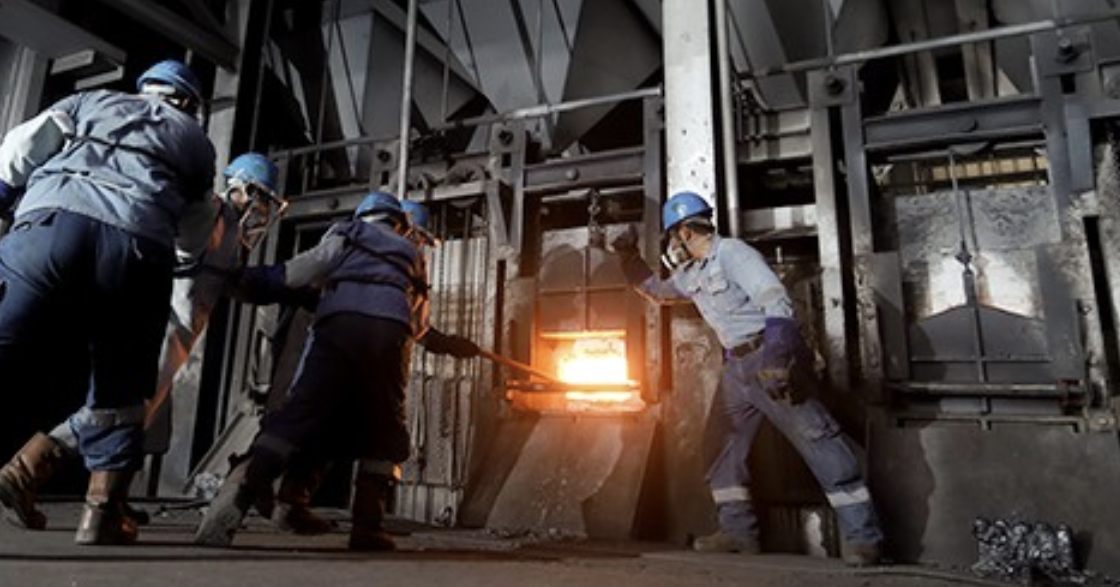
Indonesia's mineral downstream investment landscape is beginning to shift. After years of nickel dominating investment flows, bauxite has now taken the lead.In the second quarter of 2026, realised investment in bauxite downstream projects reached IDR 40.1 trillion, surging about 193% from IDR 13.7 trillion in the first quarter. The increase made bauxite the country's largest downstream investment destination for the first time, overtaking nickel, which had long dominated the sector.The surge was driven by the accelerated construction of bauxite processing and refining facilities (smelters) across Indonesia. The trend suggests the government's downstream processing programme is becoming more diversified and is no longer centred solely on the nickel industry.One of the key projects behind the shift is the Phase I Smelter Grade Alumina Refinery (SGAR) in Mempawah, West Kalimantan. Developed by MIND ID Group through PT Indonesia Asahan Aluminium (INALUM) and PT Aneka Tambang Tbk (ANTAM), the facility has an annual production capacity of one million tonnes of alumina and requires approximately 3.3 million tonnes of bauxite feedstock each year.The refinery is regarded as a key foundation for strengthening Indonesia's domestic aluminium supply chain, from bauxite mining through to alumina processing.House of Representatives Commission XII member Eddy Soeparno said the sharp increase in bauxite investment was a long-awaited development. According to him, investment in the sector had lagged behind the nickel industry for years."We welcome the strong growth in investment in bauxite downstream processing, reflected by the sharp increase in smelter investment. Looking at past developments, we have long been waiting for more investment in bauxite smelters because the sector has lagged behind nickel," Eddy said in a written statement received by AKURAT.CO.However, he cautioned that investment should not stop at primary processing. Instead, the government should encourage investment further downstream to maximise value creation."We hope investment in bauxite smelters will also be followed by the development of downstream industries so the country can maximise the value added generated from bauxite-derived products," he said.Commission XII member Syarif Fasha, saying the rise in investment should not prove temporary.According to him, the success of downstream processing must also deliver tangible benefits to resource-producing regions."This trend should not be temporary, but must remain consistent and, if possible, continue to increase."He added that the government must ensure producing regions receive their rightful share of benefits, including through the revenue-sharing mechanism.Meanwhile, Minister of Investment and Downstream Processing and Head of the Investment Coordinating Board (BKPM), Rosan Perkasa Roeslani, said bauxite's emergence as the largest downstream investment destination was driven by the increasing number of processing facilities being developed by both domestic and foreign investors."Historically, nickel has always ranked first. Now we are seeing a shift, with bauxite taking the top position because several bauxite processing projects are being developed by both domestic and foreign investors," Rosan said.According to Rosan, the changing composition of investment shows that Indonesia's downstream processing programme is expanding across a broader range of commodities. Besides creating greater industrial value, the investment is also contributing to job creation.Overall, realised downstream investment reached IDR 152.7 trillion in the second quarter of 2026, up 5.7% from the same period a year earlier. The figure accounted for approximately 29.8% of Indonesia's total realised investment of IDR 511.8 trillion.By commodity, bauxite led downstream investment with IDR 40.1 trillion, followed by nickel at IDR 29.4 trillion, copper at IDR 16.7 trillion, iron and steel at IDR 13.2 trillion, and silica sand at IDR 4 trillion. Other commodities—including tin, gold, silver, cobalt, manganese, coal, Buton asphalt, and rare earth metals—collectively attracted IDR 4.7 trillion in investment.BKPM also reported that realised investment during the January–June 2026 period created 1,448,862 jobs, an increase of around 15% from the same period last year. In the second quarter alone, investment generated employment for 742,263 people, up 5.1% year on year.
PT CPM Prepares 4-Kilometer Underground Mine as River Reef Open Pit Nears End in 2026
19 Jul 2026, 11:28 AM 950

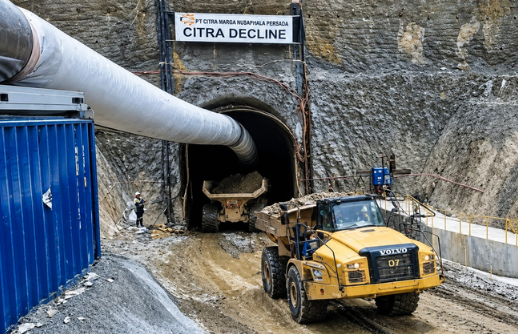
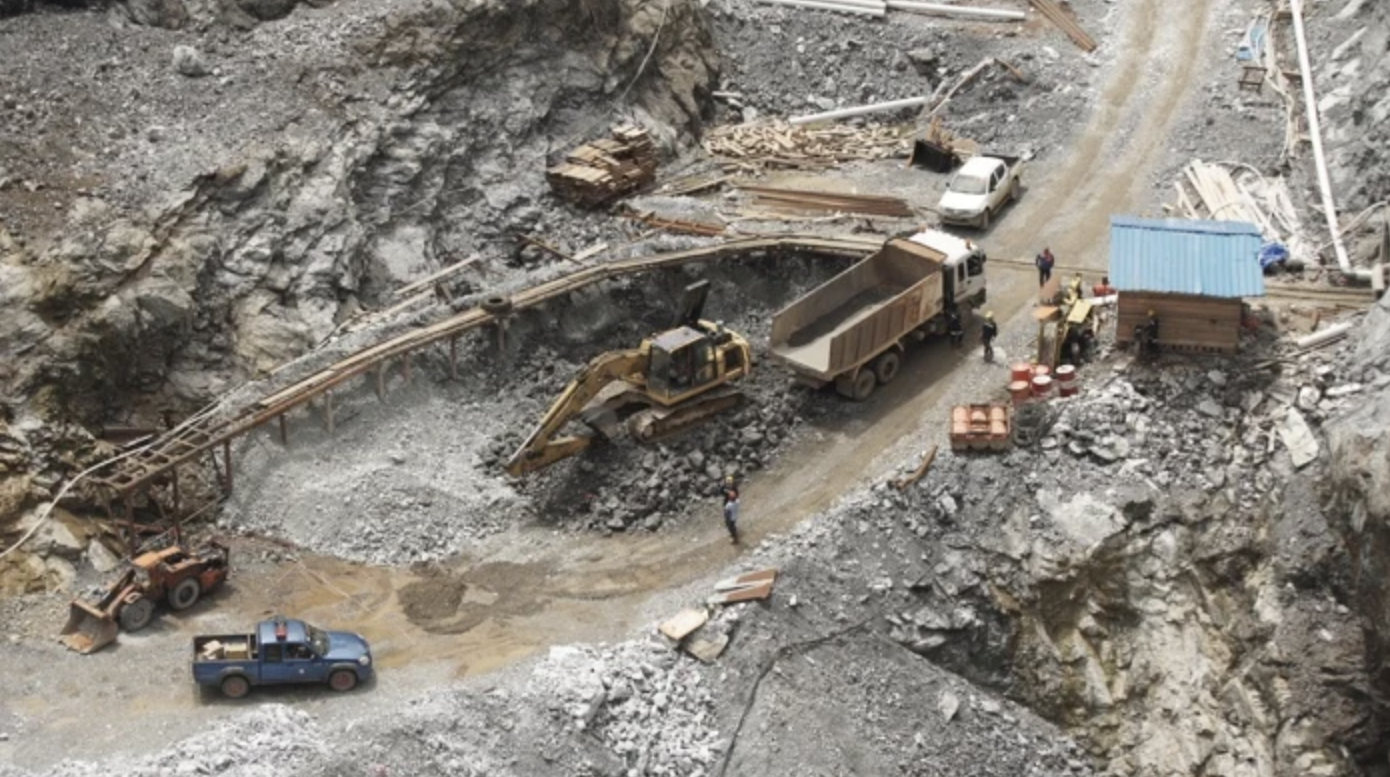
PT Citra Palu Minerals (CPM) has confirmed that open-pit mining operations in the River Reef area will end in 2026. As a continuation, the company has prepared an underground mining system with a tunnel network extending approximately four kilometers.PT CPM Director Yan Ardiansyah said the transition in mining methods is part of the company’s long-term plan, which has been developed based on technical studies and occupational safety considerations.“Open-pit mining operations will end in 2026 and will subsequently continue with underground mining. The boundary between the open pit and underground areas will use a crown pillar approximately 40 meters thick, in accordance with recommendations from geotechnical experts,” Yan said while presenting the River Reef mining plan in Palu on Sunday (19/7/2026).He explained that the gold ore reserves are located approximately 200 meters below the surface, with a thickness ranging from 15 to 25 meters and a length of around 300 meters. The underground mining operational area is also located approximately three kilometers from the nearest residential area.To access the mineralized zone, PT CPM will construct access tunnels measuring 5 x 5 meters with a total length of approximately four kilometers surrounding the ore body.The gold ore extracted from mining activities will then be transported to the processing plant to be processed into dore bullion. Meanwhile, the remaining processing waste, or tailings, will be mixed with cement and returned into the mine void through the backfilling method to maintain the stability of the former mining area.According to Yan, this method is part of the underground mining system designed to maintain operational safety while supporting production sustainability after the open-pit mine officially closes in 2026.Through this transition, PT CPM is targeting that gold production activities in the River Reef area will continue without interruption even after the open-pit mining phase has ended.

Weda Bay Nickel Strengthens Mine Reclamation and Revegetation Efforts
17 Jul 2026, 11:32 AM 809

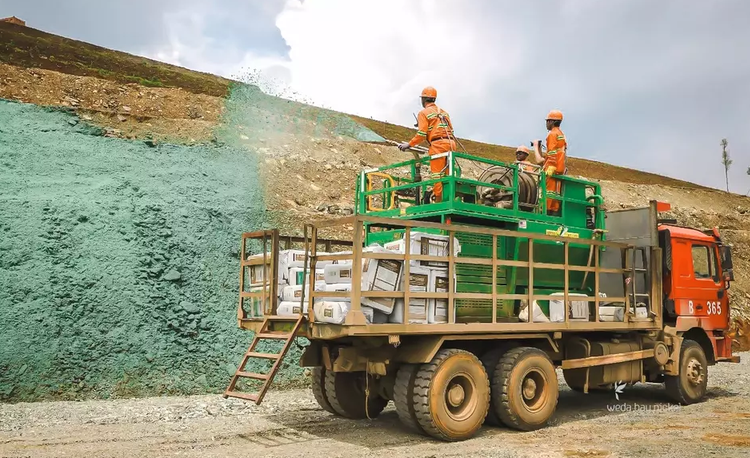
PT Weda Bay Nickel continues to strengthen environmental management through the implementation of reclamation and revegetation activities in operational mining areas. This effort is part of the company’s sustainable approach to ensuring that every stage of operations proceeds alongside the restoration of environmental functions. WBN is committed to continuing these strategic initiatives to minimize the impact of its operational activities on the surrounding environment.Based on the latest reclamation report up to March 2026, Weda Bay Nickel has reclaimed 223.43 hectares of land as part of efforts to restore the ecological functions of the mining operational area. The reclaimed areas are spread across several locations within WBN’s operational area, including Kao Rahai, Biri-Biri, and Tofu.Meanwhile, revegetation is being carried out gradually in accordance with the reclamation plan approved by the Ministry of Energy and Mineral Resources and in line with applicable regulations. This effort is also supported by Weda Bay Nickel’s 2.02-hectare nursery facility, which enables the company to prepare and cultivate various plant species required for revegetation in post-mining reclamation areas.The reclamation process includes land contour reshaping, the planting of various vegetation species, and monitoring plant growth to ensure that the restoration process progresses optimally.Weda Bay Nickel Health, Safety, and Environment Manager Ronggour Siahaan said that reclamation is an inseparable part of the company’s operational cycle.“We implement environmental management as part of every stage of operations, from planning and implementation to monitoring and restoring areas that have completed mining activities. Various activities involving employees and business partners also strengthen this culture, ensuring that environmental responsibility can be applied consistently in daily activities,” Ronggour said in an official statement on Friday (17/7/2026).This commitment is realized through various initiatives involving employees and business partners. In June 2026, WBN planted 1,000 tree seedlings in three operational areas, namely Kao Rahai, Biri-Biri, and Tofu.In addition, WBN also held a Clean Up Day in June 2026 in several employee and contractor residential areas. During the activity, participants cleaned surrounding areas while sorting waste according to type to build more responsible waste management habits.Together with its contractors, Weda Bay Nickel also implements the principles of reduce, reuse, and recycle through the management and reuse of unused materials as part of circular economy practices. Materials such as scrap metal and used drums are processed into creative and functional products, including heavy equipment miniatures and furniture.All of these activities are part of Weda Bay Nickel’s internal initiative themed “Weda Today, Earth Tomorrow,” which was carried out in conjunction with World Environment Day 2026. “Through this initiative, we reaffirm our commitment to implementing environmental awareness, not only in operational areas but also in daily activities. Going forward, we will continue to strengthen collaboration with employees and business partners to support more responsible mining operational practices and minimize their impact on the surrounding environment,” said Ronggour.

Indika Energy (INDY) Responds to Rumors of Potential Sale of Kideco Mine
17 Jul 2026, 11:27 AM 1444

PT Indika Energy Tbk (INDY) has responded to reports stating that the company is considering selling part or all of its share ownership in PT Kideco Jaya Agung."Regarding recent media reports concerning the Company’s investment portfolio, the Company does not provide comments on market rumors or speculation," INDY management stated in an information disclosure submitted to the Indonesia Stock Exchange (IDX) on Friday (17/7/2026).The company emphasized that it remains committed to upholding the principles of good corporate governance and complying with all applicable capital market regulations. INDY also stated that any material information or developments will be disclosed to the public transparently through the company’s official channels in accordance with disclosure requirements.In the information disclosure, INDY also outlined the significant contribution of Kideco to the company’s financial performance. It was revealed that Kideco’s contribution accounted for approximately 72.8% of INDY’s total revenue.The details show that as of 31 March 2026, Kideco contributed revenue of USD 377.4 million, while INDY’s consolidated revenue reached USD 493.2 million.In terms of profitability, Kideco recorded a net profit of USD 42.4 million in the first quarter of 2026. Meanwhile, INDY’s consolidated net profit during the same period was recorded at USD 7 million.Previously, reports circulated that INDY was reviewing the potential divestment of part or all of its ownership stake in PT Kideco Jaya Agung. The value of the divestment transaction was estimated to exceed USD 1 billion, or approximately IDR 18.1 trillion.Currently, INDY holds around 91% of Kideco’s shares, equivalent to approximately 537 million shares. PT Kideco Jaya Agung is a coal mining company operating in Paser Regency, East Kalimantan.Following the reports, INDY’s share price declined by 2.80% to IDR 2,430 at the close of trading on Friday (17/7/2026). Its market capitalization reached IDR 12.66 trillion.

Bauxite Overtakes Nickel to Dominate Downstream Investment in Q2 2026
16 Jul 2026, 11:35 AM 1113

The downstreaming landscape of mineral commodities in Indonesia is beginning to experience a significant structural shift. Bauxite is claimed to have overtaken nickel to become the number one contributor to the realization of national downstream investment in the second quarter of 2026.This leap was driven by the massive execution of construction projects for bauxite processing and refining facilities (smelters) undertaken by both domestic and foreign companies during the April-June period this year.Minister of Investment and Downstreaming/Head of the Investment Coordinating Board (BKPM), Rosan Roeslani, confirmed that nickel’s position as the dominant commodity in downstream industry investment for years is now beginning to be challenged by the growth of bauxite projects.“Usually, we know that nickel is always number one. Now, there is a shifting; bauxite is number one. There is a shift toward bauxite because there are several bauxite developments being carried out, both by domestic and foreign parties, so for the first time bauxite has taken the number one position after nickel,” Rosan said while presenting investment realization figures in a press briefing on Thursday, 16 July 2026.Based on data released by the Ministry of Investment and Downstreaming, total investment realization specifically in the downstream sector during the second quarter of 2026 reached IDR 152.7 trillion, or grew by 5.7 percent compared with the previous year. This figure accounted for a crucial portion, reaching 29.8 percent of total national investment realization in the second quarter.Cumulatively, throughout the first half of 2026 (January-June), total investment in the downstream mineral sector reached IDR 206.5 trillion. Other supporting downstream sectors were followed by the plantation and forestry industries at IDR 54.4 trillion, oil and gas at IDR 35.4 trillion, and fisheries and marine sectors at IDR 3.8 trillion.Why Has Bauxite Downstream Investment Overtaken Nickel?It was previously reported that the increase in bauxite sector investment indicates that the government has begun expanding its downstreaming focus toward the aluminium industrial chain.The development is aimed at ensuring that Indonesia does not only export bauxite ore but also produces alumina and aluminium, which have higher added value, before being marketed domestically and internationally.However, the acceleration of processing facility development has also drawn attention from several research institutions. The Centre for Research on Energy and Clean Air (CREA), for example, assessed that aluminium industry development needs to be balanced with careful raw material supply planning to ensure that processing capacity does not grow faster than the mining sector’s ability to supply bauxite ore.In its report, CREA estimated that Indonesia’s alumina production capacity could increase from around 7 million tonnes in 2025 to 32.5 million tonnes by 2030.In line with this, bauxite ore demand is projected to surge from approximately 14 million tonnes to around 65 million tonnes per year if all planned projects are realized.The institution warned that accelerated downstreaming must be accompanied by the development of new mines, certainty of raw material supply, and adequate energy planning to ensure the aluminium industry can grow sustainably.Therefore, increased investment will not only expand national production capacity but also maintain the long-term sustainability of the supply chain.Mineral downstreaming has also become a major driver of national economic equalization, as 75.7 percent, or the equivalent of IDR 227.3 trillion, of downstream investment has been distributed outside Java, including regions such as North Maluku and Sulawesi.How Is the Government Expanding Downstreaming Beyond Nickel?Rosan emphasized that the government will not slow down the pace of downstreaming despite the shifting commodity landscape. The ministry’s future focus is to deepen the industrial value chains of non-nickel commodities so that they can develop mature ecosystems from upstream to downstream.Currently, nickel is considered to have successfully built a complete ecosystem, ranging from nickel ore, nickel sulfate, cathodes, anodes, battery cells, to battery packs for electric vehicles (EVs). The government aims to replicate this comprehensive ecosystem development model for other high-value commodities.The government believes that developing these ecosystems is not only aimed at increasing commodity added value but also at strengthening the competitiveness of national industries. With increasingly complete production chains, Indonesia is expected to attract further investment, expand employment opportunities, and increase the contribution of the manufacturing sector to national economic growth.“Nickel already has almost the whole ecosystem, particularly related to EV batteries. That is also what we want to implement for bauxite, derivatives from palm oil, rubber, wood, silica sand, and others. We are identifying and prioritizing those included in our downstreaming blueprint where we have a competitive advantage,” Rosan concluded.

AMNT Targets Triple Production Growth Following Sumbawa Smelter Launch
16 Jul 2026, 11:20 AM 1268

Supported by the operation of the copper refining facility (smelter) in Sumbawa, PT Amman Mineral Nusa Tenggara (AMNT) has set a target for copper concentrate production of 1.29 million dry metric tons (DMT) in the 2026 Work Plan and Budget (RKAB). This means an increase of nearly three times compared to the 2025 production realization, which reached 453.4 thousand DMT.In a statement quoted on Thursday (16/7/2026), President Director of PT Amman Mineral Nusa Tenggara, Rachmat Makkasau, said the surge in production was supported by the operation of the copper smelter in Sumbawa. The refining facility in West Nusa Tenggara Province is now able to process the entire concentrate production from the mine."Since around April 2026, operational activities have begun and the ramp-up process has been progressing well. Around June 2026, we have been able to process all production currently generated by the mine," said Rachmat Makkasau during a Hearing Meeting (RDP) with Commission XII of the Indonesian House of Representatives (DPR RI) on Tuesday (15/7/2026).The success of the ramp-up process has begun to be reflected in the smelter's production performance throughout the first half of 2026. Until the second quarter, AMMAN had produced 46 thousand tons of copper cathodes, 3.7 tons of gold, and 14.6 tons of silver.In fact, in the second quarter of 2026, the company was able to produce 46,000 tons of copper cathodes, 3.7 tons of gold, and 14.6 tons of silver. In addition, there was also production of selenium and sulfuric acid.AMMAN Smelter Also Produces 24 DMT of SeleniumFurthermore, in addition to these main metals, the smelter has also produced 24 DMT of selenium and 421.8 thousand DMT of sulfuric acid until the first half of 2026. With this achievement, the company is optimistic that the production targets for refined products by the end of the year can be achieved.It is important to note that throughout 2026, AMMAN is targeting production of approximately 162 thousand tons of copper cathodes, 16 tons of gold, 45 tons of silver, 91 tons of selenium, 1.96 tons of tellurium, and 572 thousand tons of sulfuric acid.On the upstream side, the increase in concentrate production in 2026 is also supported by the development of mining activities at the Batu Hijau Mine.The low production in 2025 was part of the mining cycle because the company focused its activities on overburden stripping in Phase 8, resulting in a lower volume of ore being mined.Rachmat acknowledged that production declined in 2025. In 2026, an increase in production is planned, which will continue in 2027 and the following years.As this phase comes to an end, the company expects concentrate production to remain above 1 million DMT in the coming years.According to the company's projections, concentrate production is expected to reach around 1.2 million DMT in 2027, 1.18 million DMT in 2028, and 1.11 million DMT in 2029.The projection is increasing because starting next year AMMAN will extract and process more ore in its mining activities.For marketing, the smelter's production output is currently still prioritized to meet domestic market needs. However, when production capacity has been utilized optimally, the company is opening opportunities for exports, especially for copper cathode products.

Freeport Targets Kucing Liar Mine to Begin Production in 2029
14 Jul 2026, 11:25 AM 906

PT Freeport Indonesia (PTFI) is targeting its Kucing Liar underground mine in the Grasberg area, Central Papua, to begin production in 2029. The mine is being prepared to replace the decline in production from the Deep Mill Level Zone (DMLZ) mine while maintaining the company’s production capacity over the long term.PTFI President Director Tony Wenas said that the development of the Kucing Liar mine is underway and is targeted to enter the production stage within the next three years. “We are preparing the Kucing Liar mine, which is located near the current mining area, so that mining operations can begin in 2029,” Tony said during a hearing with Commission XII of the Indonesian House of Representatives (DPR) on Tuesday, 14 July 2026.According to Tony, the presence of Kucing Liar will maintain the continuity of mining operations when DMLZ production begins to decline.Based on a report by Freeport-McMoRan (FCX), development of the Kucing Liar mine began in 2022. Throughout 2025, the company completed various studies to evaluate the potential expansion of the mining footprint.In the initial design, the Kucing Liar mine was planned to have a production capacity of 90 thousand metric tons of ore per day. However, study results indicated that the capacity could potentially be increased to 130 thousand metric tons per day through development at relatively low additional cost.The expansion is also expected to increase the mine’s reserves by approximately 20 percent compared with the initial estimate. The Kucing Liar mine is estimated to contain reserves of around 8 billion pounds of copper and 8 million ounces of gold. The mine is projected to operate until 2041. When operating at full capacity, Freeport estimates that Kucing Liar will be capable of producing an average of 750 million pounds of copper and approximately 735 thousand ounces of gold annually.

MDKA Discovers 2 Million Ounces of Gold Resources at Gua Macan Project
13 Jul 2026, 11:23 AM 784

PT Merdeka Copper Gold Tbk (MDKA) has announced an updated Mineral Resource Estimate (MRE) for the Gua Macan Copper-Gold Porphyry Project located within the Tujuh Bukit mineral district, East Java, Indonesia.Gua Macan is located within the Mining Business License (IUP) area of PT Bumi Suksesindo (BSI), which is one of Merdeka’s strategic mining assets in East Java.The project is fully owned by the Merdeka Group through its subsidiaries.This updated Mineral Resource Estimate further strengthens Gua Macan’s position as part of Merdeka’s long-term copper and gold growth portfolio, while also providing further support for the evaluation of its open-pit mining development potential.The latest Mineral Resource Estimate reaches 276 million tonnes (Mt), with average grades of 0.23 grams of gold per tonne (g/t Au) and 0.16 percent copper (Cu), containing approximately 2.0 million ounces of gold (Moz Au) and 430 thousand tonnes of copper (kt Cu).These figures represent an increase of 70 Mt, or 25 percent, as well as an increase of 0.40 Moz of gold and 103 kt of copper compared with the previous Mineral Resource Estimate announced in December 2025.The Indicated Mineral Resource category has nearly doubled to 217 million tonnes from the previous 112 million tonnes, reflecting successful resource conversion through the addition of 26 diamond drill holes and improvements to the geological model.Albert Saputro, President Director of PT Merdeka Copper Gold Tbk, said that the updated Gua Macan Mineral Resource Estimate represents another important milestone for Merdeka and reflects the value generated from the company’s exploration strategy."Starting from an internally developed exploration target in 2023, Gua Macan has now rapidly developed into a significant gold-rich copper-gold porphyry resource, located near the currently operating Tujuh Bukit Gold Mine," Albert said in a written statement on Monday, 13 July 2026.The Main Porphyry Zone is now the primary value contributor within the Gua Macan deposit. The zone contains approximately 110 million tonnes of resources with grades of 0.36 g/t Au and 0.23 percent Cu, containing around 1.3 million ounces of gold and 257 thousand tonnes of copper.Although it represents only around 40 percent of the total Mineral Resource tonnage, the Main Porphyry Zone contributes approximately 65 percent of the gold content and 60 percent of the copper content within the Gua Macan deposit.Mineralization at Gua Macan has been defined across an area of approximately 1 kilometer by 1 kilometer and extends from surface to a drilling depth of around 600 meters.The mineralization system remains open at depth, indicating potential for additional resource growth as exploration activities and technical studies continue.The updated Net Smelter Return (NSR) model further strengthens the geological interpretation by showing that the highest-value economic material is concentrated within a shallower and continuous coherent core of mineralization inside the Main Porphyry domain.Merdeka plans to conduct targeted metallurgical variability testing to evaluate whether these characteristics can support improved metal recovery assumptions in engineering studies at the next stage.The latest Mineral Resource Estimate has been classified into the Indicated and Inferred categories in accordance with the JORC Code 2012 and the KCMI Code 2017.The Mineral Resources are reported within an optimised shell that demonstrates reasonable prospects for eventual economic extraction, using a minimum Net Smelter Return (NSR) cut-off value of USD 8 per tonne."Gua Macan demonstrates Merdeka’s ability to create value through exploration. Sustainable resource growth, supported by its proximity to existing infrastructure and ongoing technical studies, further strengthens the project’s position as one of the key long-term growth drivers within Merdeka’s copper and gold portfolio," he concluded.

Advertisement


Get Your Pass