Merdeka Gold (EMAS) Partners with China’s VGE to Build IDR 2.5 Trillion CIL Facility
26 Aug 2026, 09:19 AM 590

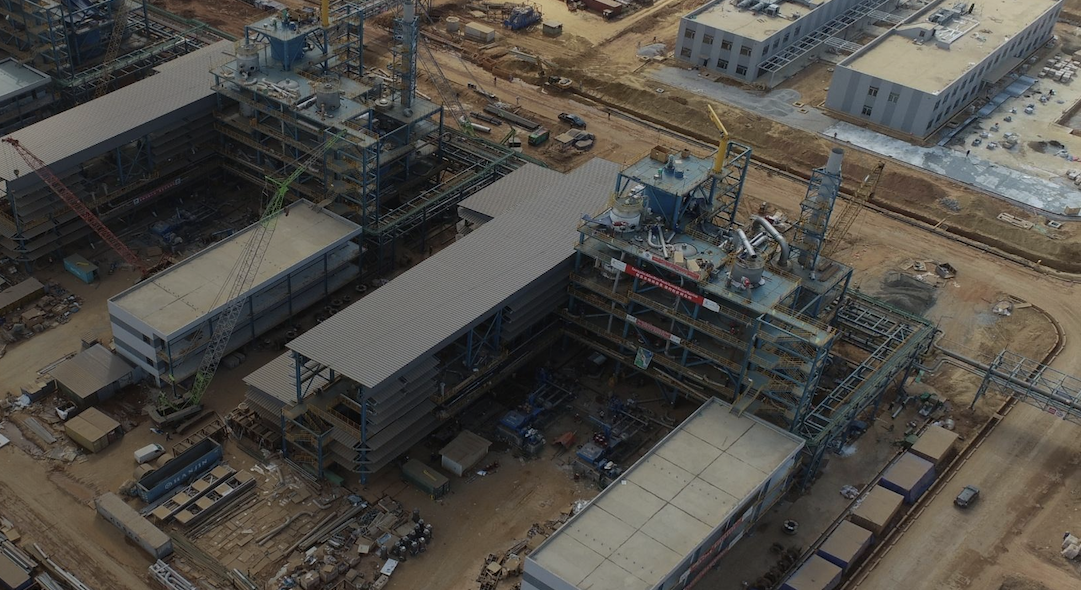
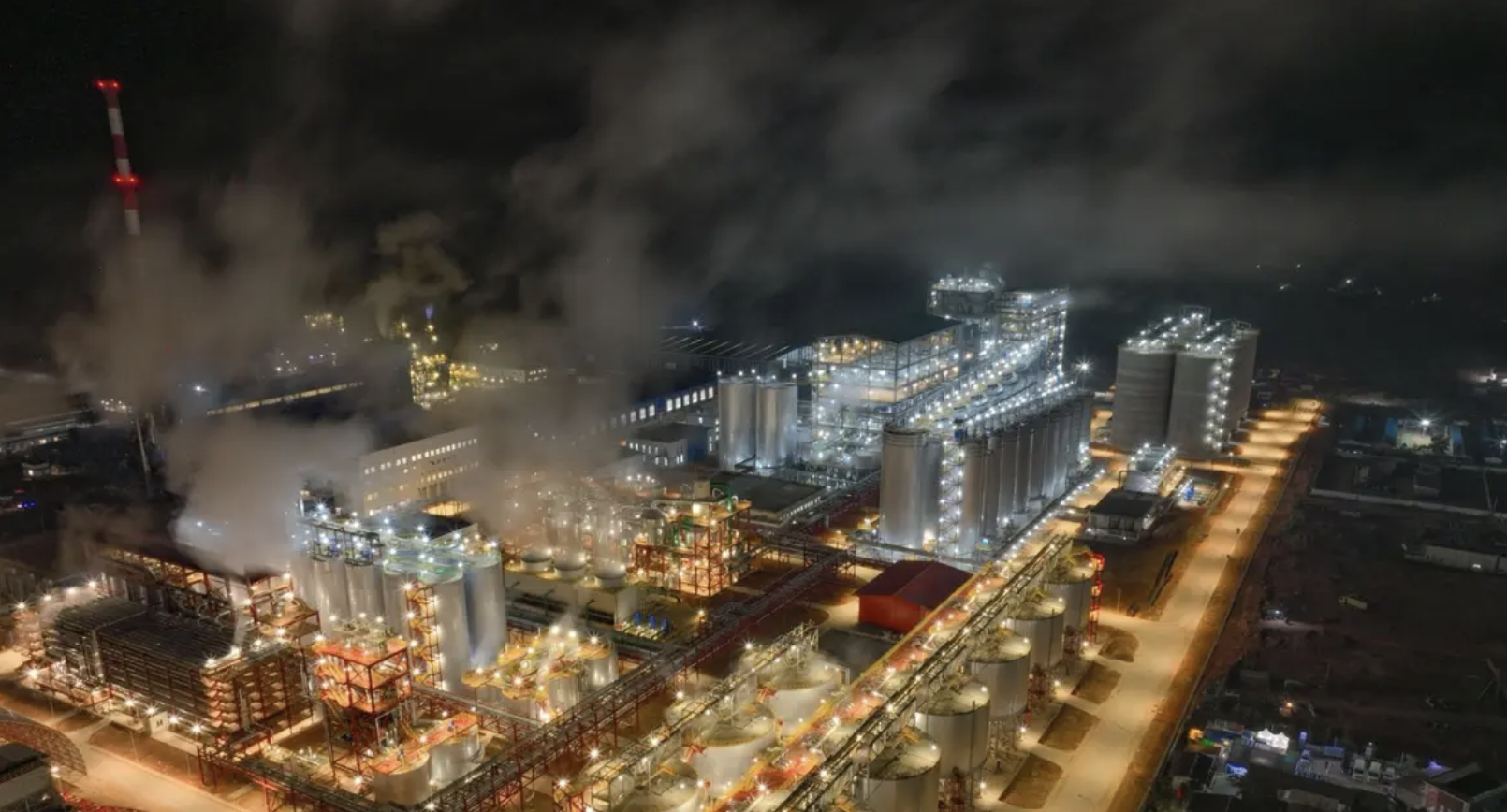
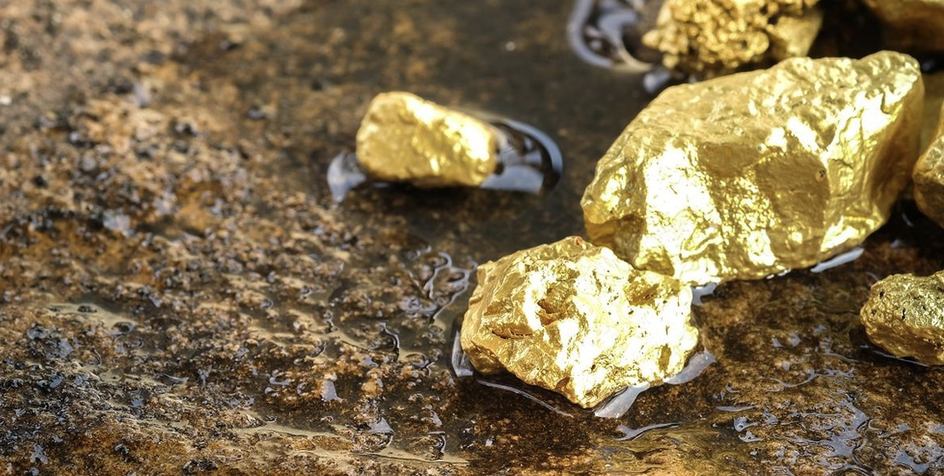
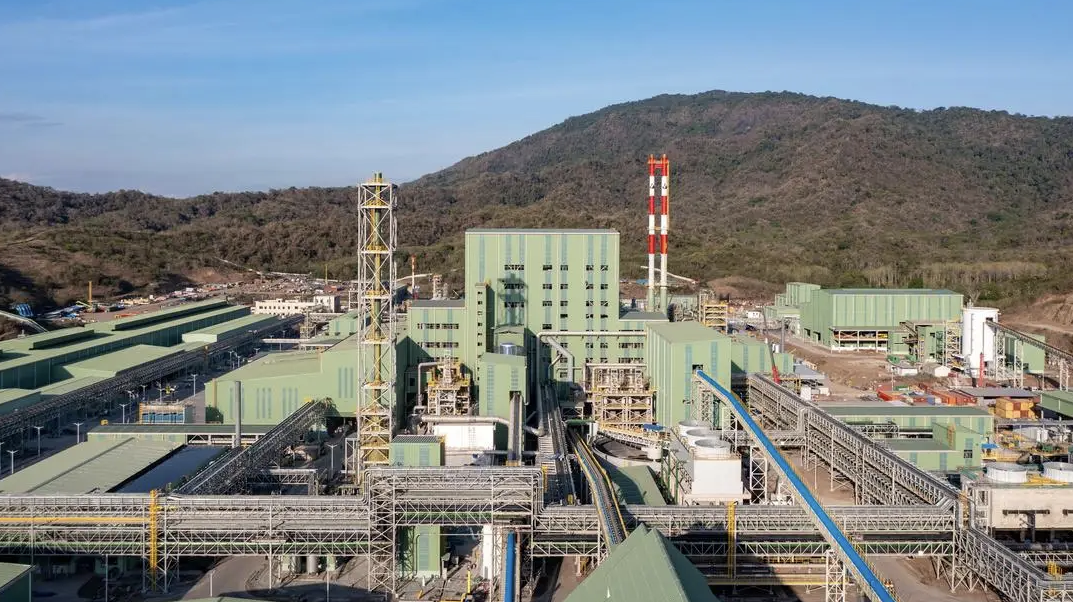
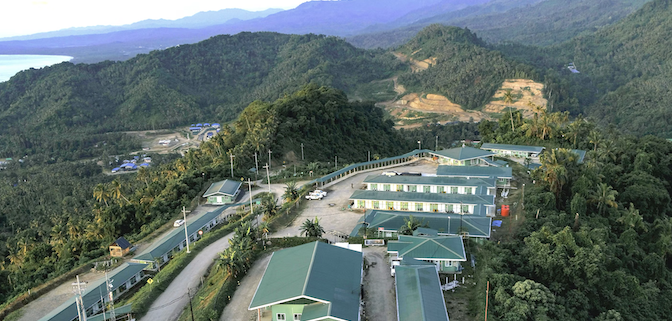
PT Merdeka Gold Resources Tbk. (EMAS) subsidiary PT Pani Industri Nusantara (PIN) has signed a transaction with Chinese company Vision Green Energy (Beijing) Tech Co., Ltd. (VGE) for the supply of machinery, equipment, and consulting services for the construction of the Carbon-in-Leach (CIL) processing facility at the Pani Gold Mine, valued at around IDR 2.52 trillion.Based on EMAS’s disclosure, the transaction is estimated at RMB 1.02 billion, or around IDR 2.52 trillion, using Bank Indonesia’s middle exchange rate as of March 31, 2026. The value is equivalent to 40.26% of EMAS’s equity based on its interim consolidated financial statements as of March 31, 2026.“With this value, the transaction between PIN and VGE is categorized as a Material Transaction because its value exceeds 20% of the company’s equity,” EMAS management said in an information disclosure on Wednesday (Aug. 26, 2026).Under the transaction, PIN acts as the buyer, while VGE acts as the seller. The two parties have agreed to the sale and purchase of equipment and machinery, as well as supporting consulting services to be used in the construction of the CIL processing facility.EMAS has obtained a fairness opinion on the transaction based on Appraisal Report No. 00103/2.0118-00/BS/02/0520/1/VIII/2026 dated August 19, 2026, from KJPP Iskandar & Rekan.The report provides a fairness opinion on the planned transaction for the supply of machinery and equipment, as well as supporting consulting services for the construction of PIN’s CIL processing facility.In addition to the sale and purchase of equipment and machinery, the agreement also covers supporting consulting services and mechanisms for fulfilling obligations under the agreement, which under certain circumstances may be provided by PIN and/or its affiliated parties.The transaction with VGE is part of the development of the CIL processing facility at the Pani Gold Mine by the Merdeka Gold Resources group.The CIL facility is designed to have a processing capacity of 12 million tons per annum (Mtpa) and will complement the heap leach facility already operating at the Pani Gold Mine in Pohuwato Regency, Gorontalo.The development of the CIL facility is one of the key stages in the expansion of the Pani Gold Mine. The facility is also designed to accommodate a potential increase in processing capacity to 24 Mtpa in the future.Previously, EMAS said construction of the CIL facility was progressing as planned. Land preparation had been carried out, with the first concrete pour targeted for early fourth quarter of 2026.In addition to the main facility, the company is also developing supporting infrastructure, including tailings facilities and additional power supply to support increased operating capacity at the Pani Gold Mine.

BUMI Set to Take Control of Australian Mining Company After Acquisition Plan Approved
24 Aug 2026, 04:36 PM 805

PT Bumi Resources Tbk (BUMI)’s plan to acquire 100% of the shares of Loyal Metals Limited has entered a new phase.Loyal Metals Limited shareholders have approved the acquisition plan through a court-approved scheme of arrangement.According to an announcement by Loyal Metals Limited, shareholders voted and met the required majority threshold to approve the scheme.Under the scheme, BUMI or a wholly owned subsidiary of BUMI will acquire 100% of the issued shares in Loyal Metals. In return, Loyal Metals shareholders will receive a cash payment of AUD 0.45 (USD 0.45) per share.“Subject to the satisfaction of the various conditions previously announced by the company to the ASX on April 27, 2026,” Loyal Metals said in its announcement on Thursday (August 20, 2026).In the vote, 99.86% of votes cast by shareholders were in favor of the acquisition scheme.Meanwhile, based on the number of shareholders present and voting, either in person or through a proxy, attorney, or corporate representative, 95.96% expressed support for the scheme.Previously, BUMI had provided clarification to the Indonesia Stock Exchange (IDX) regarding its planned acquisition of Loyal Metals Limited. The clarification followed an IDX request for an explanation concerning reports about the planned acquisition of the mining company listed on the Australian Securities Exchange (ASX).BUMI Director RA Sri Dharmayanti said the company had signed a scheme implementation deed (SID) with Loyal Metals Limited. The agreement serves as the framework for the two companies to begin the acquisition process.However, when providing clarification to the IDX in early August 2026, the acquisition process was still at the stage of fulfilling various conditions.“As of now, the acquisition process remains at the stage of fulfilling the conditions, so no transfer of funds or shares has taken place,” Sri said in an information disclosure.She explained that completion of the transaction remains subject to the fulfillment of several conditions precedent. These include approval from Loyal Metals shareholders as well as compliance with applicable legal processes and requirements in Australia.“Another general condition is that, until all of these requirements have been fulfilled, the acquisition transaction cannot be deemed completed and does not have any legal effect whatsoever on the transfer of ownership of Loyal Metals Limited to the company,” she added.Loyal Metals Limited (ASX: LLM) is an Australian resource exploration company focused on critical minerals, copper, and gold.The company has several projects and assets, including the Highway Reward Copper-Gold Mine in Queensland, as well as lithium assets.With approval now secured from Loyal Metals shareholders, BUMI’s acquisition process has entered the next stage before the transaction can be completed in accordance with the applicable terms and conditions.

A New Chapter in Downstreaming: AMMAN’s "Smart" Smelter in West Sumbawa
23 Aug 2026, 04:43 PM 735

Mineral downstreaming in West Nusa Tenggara (NTB) province has entered a new phase. PT Amman Mineral Internasional Tbk (AMMAN)’s integrated copper smelter is now moving toward long-term operations after all construction and commissioning work has been completed.The milestone was marked by the signing of the Completion and Project Acceptance Certificate (PAC) between AMMAN and China Nonferrous Metal Industry's Foreign Engineering and Construction Co., Ltd. (NFC) in Beijing on July 18, 2026. The PAC confirms that the facility has passed performance guarantee tests in accordance with the contract requirements.The refining complex in West Sumbawa Regency (KSB) processes concentrate into value-added products domestically. The process is supported by an integrated energy system and digital power controls.The development of the facility has also been monitored by the NTB provincial government. Previously, Head of the NTB Investment and One-Stop Integrated Services Agency (DPMPTSP) Irnadi Kusuma led oversight, monitoring and evaluation of the operations of PT Amman Mineral Nusa Tenggara (AMNT) and PT Amman Mineral Industri (AMIN).Irnadi Kusuma said the visit was a strategic step by the regional government to ensure that the mineral processing industry complies with regulations. The monitoring also supports the downstreaming targets being pursued in NTB.“The regional government sees that this industrial area has significant potential to foster various downstream industries that will further strengthen the mineral downstreaming value chain,” Irnadi said recently.The team also inspected part of AMMAN’s mineral processing and smelter facilities located within the KSB Industrial Estate. The regional government considers the industrial estate to offer opportunities for the development of downstream industries. One of the plans is to build a fertilizer plant using sulfuric acid as its primary raw material. The supply could come directly from the smelter.The plan shows that downstreaming in West Sumbawa does not stop at mineral refining. Instead, opportunities to develop downstream industries begin with the smelter’s ability to operate according to its design specifications.1. PAC marks smelter’s transition to long-term operationsSmelter construction does not end once the buildings and equipment are in place. The facility must undergo commissioning, finalization, and testing of production capacity, product quality and technical performance.AMMAN entered the commissioning phase in 2024. Equipment was tested, furnaces were heated, concentrate was fed into the facility, and the production system was brought online gradually. President Joko Widodo inaugurated AMMAN’s smelter and precious metals refining facilities on September 23, 2024.The facility then underwent a ramp-up phase and stabilization. Adjustments continued to ensure safe and stable operations and enable the facility to achieve its design performance. The smelter had already been operating for more than a year before the PAC was signed.The PAC carries a different significance from the physical inauguration. The document marks the completion of construction and the commissioning punch list. A punch list is a list of outstanding work, repairs or improvements that must be completed before a project can be formally accepted. The smelter has also passed its performance guarantee test. The completion of the project is now evidenced by its ability to meet the contractual specifications.“The completion of this smelter project is an important achievement for AMMAN. Behind it are the hard work, resilience and strong collaboration of all our employees and partners in overcoming various challenges during the construction and commissioning process,” AMMAN President Director Arief Sidarto said in a press statement received on Monday (July 27, 2026).AMMAN’s smelter is designated a National Strategic Project. The facility is designed to process 900,000 metric tons of concentrate annually. Its feedstock comes from the Batu Hijau mine. The smelter has also been prepared to process ore from the Elang mine in the future.The integrated processing operation produces copper cathodes, gold, silver, sulfuric acid and selenium. The concentrate does not remain a mining product but is processed at the refining facility into higher-value commodities.2. Energy and digital control systems support smelter operationsSmelter operations require a stable electricity supply. AMMAN has designed a portfolio combining conventional energy, lower-emission energy and renewable energy.AMMAN Vice President of Corporate Communications Kartika Octaviana said the company’s energy approach is integrated and designed for the long term. The system is designed to adapt to technological developments, operational needs and sustainability targets.“We have built an ecosystem connecting Liquefied Natural Gas (LNG), a Gas and Steam Power Plant (PLTGU), and solar power to support the entire operating chain, from mining to the smelter. This approach enables us to provide a more reliable, efficient and lower-emission energy supply compared with conventional mining practices,” Kartika told IDN Times on Saturday (Aug. 1, 2026).The success of the energy transition is measured through reductions in greenhouse gas emissions, improvements in energy efficiency and supply reliability. AMMAN is not locking its strategy into a single technology. The company continues to assess various energy sources based on operational needs, technological developments, economic considerations and sustainability objectives. This approach leaves room for the integration of new technologies in the future.AMMAN is finalizing a 450-megawatt Gas and Steam Power Plant, or Combined Cycle Power Plant (CCPP). Under its integrated scheme, LNG from the Benete Bay LNG Terminal will serve as fuel for the CCPP. The electricity will supply the smelter, precious metals refinery (PMR), processing facility expansion and the Batu Hijau mine.The CCPP uses SGT-800 gas turbines. AMMAN estimates that the combined-cycle efficiency of the technology can reach around 57% to 59%. By comparison, the efficiency of other conventional power plants ranges from 28% to 33%.Solar power is another component of the portfolio. AMMAN operates a 26.8-MWp solar power plant. Throughout 2025, the solar plant generated 36,629 MWh of renewable electricity. This output was equivalent to avoiding 34,794 tons of CO₂e emissions.The figure was still below the target of reducing emissions by around 40,000 tons of CO₂ per year. AMMAN explained that lower solar radiation throughout 2025 affected total electricity generation. In the same year, renewable energy accounted for around 13% of the company’s total energy consumption, relatively in line with the previous year.The “smart” element is also present in electricity transmission and distribution monitoring. AMMAN uses Supervisory Control and Data Acquisition (SCADA) to control the power system in real time while providing operational data.The Intelligent Load Shedding (ILS) system uses artificial intelligence to manage loads during disruptions or changes. Adjustments can be made without manual intervention. AMMAN’s digital monitoring also covers load planning, generation planning, energy consumption and integrated process control.Operational data is analyzed to optimize equipment performance and identify efficiency opportunities. The “smart” system operates across the energy network to ensure a reliable electricity supply for the downstreaming facilities.3. Smelter downstreaming strengthens local human resourcesWith the smelter in operation, AMMAN’s business chain in West Sumbawa encompasses mineral mining, smelting and refining. Copper cathodes, gold, silver, sulfuric acid and selenium are projected to support the renewable energy, electric vehicle and high-tech manufacturing industries. This allows mineral value-added processing to take place in Indonesia.“The operation of this smelter reaffirms our commitment to supporting the national downstreaming agenda. Going forward, we hope the policy ecosystem supporting the competitiveness of the domestic processing and mining industries can continue to be strengthened so that Indonesia can maximize the benefits of downstreaming while remaining competitive amid global dynamics,” Arief said.The transformation also requires a prepared workforce. AMMAN recruits participants in its Graduate Development Program (GDP) and Skill Development Program (SDP) from West Nusa Tenggara. They are directly involved in the company’s energy transition across its operations.Skills development is carried out through training, certification and development programs tailored to industry needs. AMMAN links the energy transition with the recruitment and development of local workers at its power plants and throughout the energy chain in its operating areas.Following the signing of the PAC, the measure of the smelter’s success has shifted. The challenge is no longer completing construction, but keeping the facility operating safely, stably and efficiently at its design capacity over the long term. In West Sumbawa, the downstreaming phase is now supported by mineral refining, an integrated energy system and data-based power controls.
Danantara, MIND ID and Inalum Strengthen Integrated Aluminum Ecosystem in Mempawah, Target Self-Suff...
23 Aug 2026, 04:39 PM 673

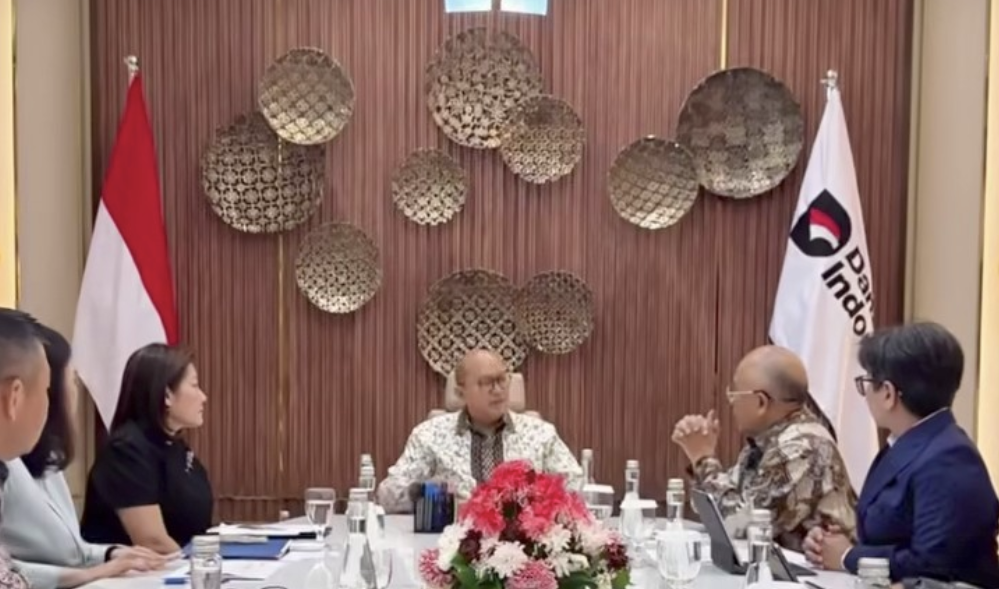
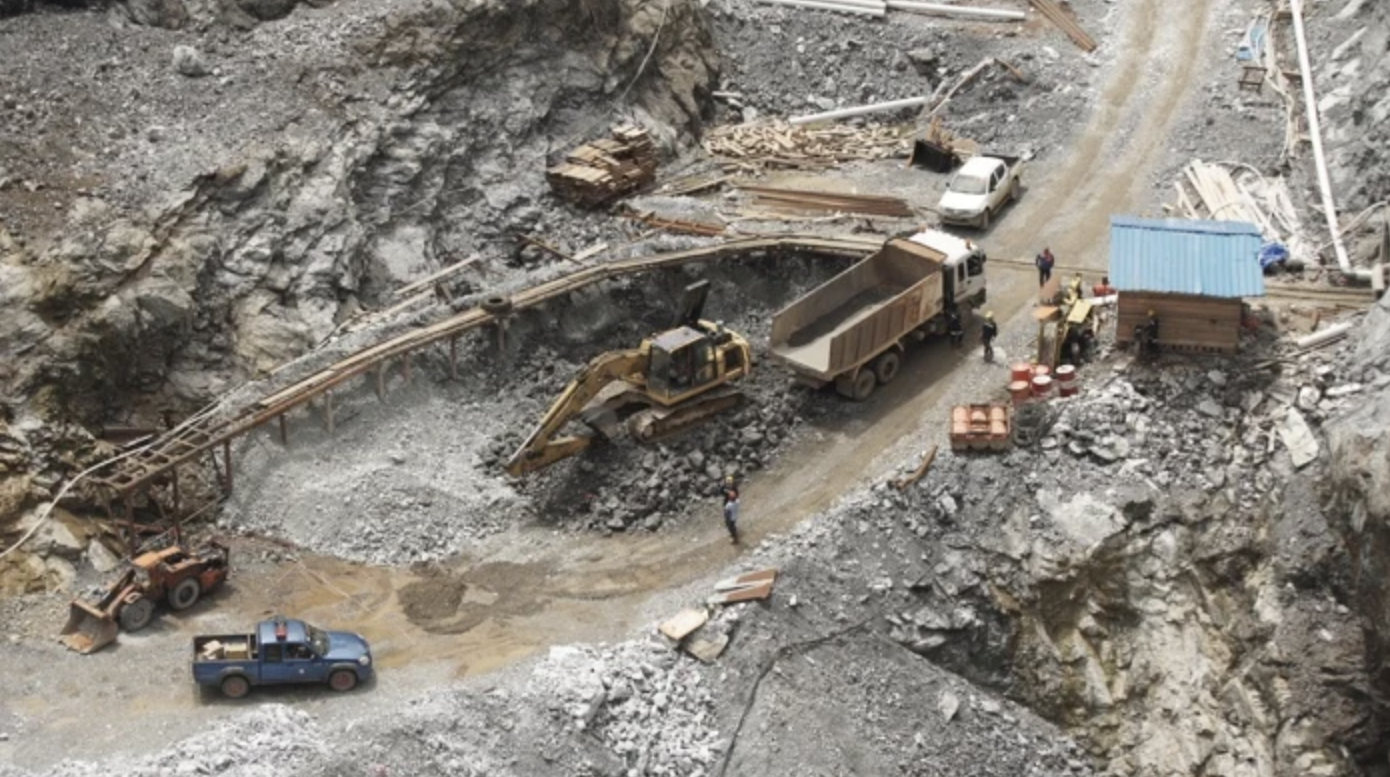
BPI Danantara Indonesia, together with MIND ID and PT Indonesia Asahan Aluminium (INALUM), discussed strengthening an integrated national aluminum industry ecosystem in Mempawah, West Kalimantan. The meeting was part of the national downstreaming agenda aimed at transforming natural resource wealth into industrial strength.The matter was conveyed by BPI Danantara CEO and Investment and Downstreaming Minister Rosan Roeslani through his official Instagram account, @rosanroeslani, on Saturday (August 21, 2026).“Downstreaming must transform natural wealth into industrial strength. Together with MIND ID and INALUM, we discussed the development of an integrated aluminum ecosystem in Mempawah, West Kalimantan, from bauxite and alumina to aluminum,” Rosan wrote.The ecosystem covers the entire supply chain, from bauxite mining and the Smelter Grade Alumina Refinery (SGAR) to the Aluminum Smelter. The project is being developed by MIND ID members INALUM and ANTAM through PT Borneo Alumina Indonesia.The main target of the project is to strengthen the national strategic supply chain and promote aluminum self-sufficiency by 2030. The government aims to have all energy infrastructure needed to support smelter operations ready by 2028.Previously, Danantara also held groundbreaking ceremonies for six national downstreaming projects worth around USD 7 billion, or IDR 110 trillion, in February 2026. One of them is the bauxite-to-alumina and aluminum processing project in Mempawah, with total investment reaching USD 6.32 billion.Aluminum is considered a strategic material for the 21st century, with applications ranging from transportation and renewable energy to construction and the defense industry. Through downstreaming, the value of bauxite, which initially stands at USD 40 per ton, can rise to as much as USD 2,800-USD 3,000 per ton when processed into aluminum.In addition to the mining sector, the meeting also addressed strengthening the manufacturing sector. Danantara held discussions with PT Gajah Tunggal Tbk regarding production expansion, including the development of PCR tire facilities.The move aims to strengthen the domestic market while expanding export markets for Indonesian tire products.“From resources to industry. From industry to added value. This is what downstreaming is about: creating jobs, strengthening self-reliance, and enhancing Indonesia’s competitiveness,” Rosan stressed.The collaboration between Danantara, state-owned mining companies, and private-sector manufacturers is expected to accelerate Indonesia’s transformation into a globally competitive industrial nation.

Freeport Reaches Full Mine Recovery, Eyes IDR 100 Trillion Contribution to Indonesia
21 Aug 2026, 04:34 PM 620

PT Freeport Indonesia (PTFI) projects its annual contribution to the state could exceed IDR 100 trillion once mine production fully recovers. Mine operations are expected to return to 100% of normal capacity by the end of 2027.PTFI President Director Tony Wenas explained that restoring mine operations following the wet material landslide incident in September 2025 will still take time. He stressed that production capacity is being increased gradually, with operations targeted to reach 65% of normal levels by the end of 2026.“Next year, [our contribution to the state] will certainly be higher because in the first half of 2027 we should be able to reach 75%, and by the end of next year we are aiming for 100%. Once we reach 100%, our contribution to the state could be exceptionally large, exceeding IDR 100 trillion, possibly around IDR 120 trillion per year,” he said in Tembagapura, Central Papua, as part of CNBC Indonesia’s Mining Zone program, as quoted on Friday (August 21, 2026).The projection of an increase in annual contributions to IDR 120 trillion, equivalent to USD 7 billion, once full production capacity is restored is based on the assumption that global copper and gold prices remain stable.In addition to direct payments to the central government, the contribution includes revenue-sharing funds for regional governments in Central Papua province.“In 2028, based on our current forecast, with the benchmark mineral prices we are using of USD 6 per pound for copper and USD 4,500 per ounce for gold, we could contribute more than USD 7 billion to the state,” he said.Although production has yet to return to optimal levels, the company still projects its contribution to state coffers in 2026 at around Rp47 trillion through tax payments, dividends and royalties.“This year, we are in recovery mode, so production is only around 65%. Even so, we will still contribute approximately Rp47 trillion to the state, according to our projections for this year,” he said.To achieve full operational capacity, the company is continuing to accelerate the removal of wet mud material, which is currently 84% complete. The company is also making technical modifications to a number of mining equipment units to improve their reliability in supporting the planned increase in production.“Our focus is not only on this year, but also on the long term, especially since our [operating] license has been officially extended beyond 2041,” he concluded.

Vale Indonesia Plans USD 450 Million Investment in Renewable Energy
20 Aug 2026, 04:38 PM 487

The need for large amounts of energy is one of the challenges mining companies face as they expand their businesses. PT Vale Indonesia Tbk has opted to develop renewable energy to meet its mining operations’ energy needs, with an investment of more than USD 450 million.Vale Indonesia Director and Head of Sustainability and Corporate Affairs Budiansyah said the company had previously been faced with the option of using cheaper energy sources to meet its mining operations’ needs, including coal, which was considered capable of generating hundreds of megawatts of power. However, the company chose to develop renewable energy as part of its long-term strategy.“The company decided to develop renewable energy by utilizing the remaining potential or studies on the possibility of generating energy,” he said at the launch of Bank DBS Indonesia’s research titled Identifying Challenges and Strategic Steps Toward Sustainable Transition in Five Key Sectors in Jakarta on Thursday, August 20, 2026.Environmental and water management challengesBudi added that mining companies also face environmental challenges. According to him, nickel and coal mining use open-cast mining methods, which require large-scale land clearing.Therefore, the company continues to conduct mining activities while taking the environment and water resource management into account amid changing market conditions.“The challenge is how we can move forward while addressing environmental aspects, water resource management, and, at the same time, dealing with market dynamics,” he said.He noted that mining products remain part of various human needs. Therefore, the challenge is to ensure that mining activities are carried out properly and responsibly.

ESDM Rolls Out RKAB Approvals for Nickel and Coal Miners
19 Aug 2026, 04:32 PM 1585

The Ministry of Energy and Mineral Resources (ESDM) claims it has begun approving a number of applications to revise the 2026 Work Plan and Budget (RKAB) for coal and nickel commodities.Director General of Mineral and Coal (Minerba) at the Ministry of Energy and Mineral Resources Tri Winarno said around a dozen nickel companies and a dozen coal companies have received approval for their 2026 RKAB revisions.However, Tri declined to disclose the additional production volume quotas approved for coal and nickel.“There are, several [applications for RKAB revisions have been approved]. I don’t know the exact number. Maybe around that many [around a dozen companies each for coal and nickel],” Tri told reporters after the IIGCE 2026 event in South Jakarta on Wednesday (August 19, 2026).Tri indicated that several mines that had previously halted operations due to RKAB-related issues may now resume operations. However, he did not disclose the names of the mining companies.Previously, Energy and Mineral Resources Minister Bahlil Lahadalia stressed that the granting of mining production quotas under the 2026 RKAB revisions would be carried out in a measured manner.He said the Ministry of Energy and Mineral Resources would take domestic demand into account while also considering supply and demand conditions, which would affect global commodity prices.“As I said, we are carrying out the RKAB process very carefully, taking supply and demand into consideration. If we do not handle it carefully today, prices could be corrected downward. So, regarding the RKAB, we are implementing measured relaxation,” Bahlil said at the Ministry of Energy and Mineral Resources office on Monday (August 3, 2026).However, Bahlil declined to provide information on the projected additional production quotas to be granted by the government under the 2026 RKAB revisions.Bahlil stressed that the information could affect movements in global markets and commodity prices, particularly for coal and nickel ore.“There are [changes to production quotas in the 2026 RKAB], but don’t ask me how much the changes are, because once I disclose that, prices could become volatile again,” Bahlil said.In addition, Bahlil said the allocation of production quotas also takes into account their contribution to state revenues.According to Bahlil, the government prioritizes RKAB approvals for mining companies that pay royalties at higher rates. This allows the government to optimize state revenues while maintaining production levels.“Take this as an example. If one company produces 1 billion tons and contributes IDR 120 trillion in non-tax state revenue (PNBP), while another produces 800 million tons but contributes IDR 130 trillion in PNBP, which one would you choose? Which is better? Say there are 10 companies, three of which pay a 19% royalty and seven pay, say, 11%. Which companies would you prioritize? That is the logic,” Bahlil explained.Regarding RKAB revisions, under Energy and Mineral Resources Ministerial Regulation No. 17/2025, mining companies may apply for changes to their RKAB after submitting periodic reports through the second quarter, or no later than July 31 of the current year.Mining industry players are still waiting for the government to evaluate and approve the RKAB revisions they submitted last month.Meanwhile, the Ministry of Energy and Mineral Resources has cut this year’s coal production target under the 2026 RKAB. Coal production under the 2026 RKAB has been set at around 600 million tons, down from actual production of 817.48 million tons in 2025.Nickel ore production under the 2026 RKAB has been set at between 260 million and 270 million tons. This represents a significant decline from the previous year’s RKAB target of 379 million tons.Regarding the nickel RKAB revision, reports had emerged that PT Weda Bay Nickel (WBN) had received approval for a 2026 RKAB revision, with an additional production quota of around 25 million tons.Djoko Widajatno, a member of the Advisory Board of the Indonesian Nickel Miners Association (APNI), said he had received information that PT WBN had been granted an additional 25 million-ton nickel ore production quota.As a result, PT WBN’s production quota under the RKAB could potentially increase to 37 million tons from the previous 12 million tons.“There are indications that PT WBN could receive an additional 25 million tons in production quota, with other companies potentially receiving similar increases. However, APNI has yet to receive any official notification from either the government or the company,” Djoko said when contacted on Thursday (August 6, 2026).Responding to the matter, Bahlil only said that his ministry had not increased PT WBN’s nickel ore production quota. “Not yet, not yet, there is no [additional 25 million-ton RKAB quota] yet,” Bahlil said when met by reporters at the State Palace on Thursday (Aug. 6, 2026).

Sumbawa Timur Mining’s Onto Project Could Rival Freeport Indonesia Grasberg
14 Aug 2026, 04:02 PM 740

Sumbawa Timur Mining’s Onto project in West Nusa Tenggara is still under exploration, with its copper-gold resource estimated at more than 2 billion tons.Indonesia still has significant untapped gold potential across several regions, with one exploration-stage project in West Nusa Tenggara potentially holding a larger gold resource than PT Freeport Indonesia’s Grasberg operation in Central Papua, according to the Indonesian Mining Institute (IMI).Indonesian Mining Institute Chairman Irwandy Arif said the potential highlights the scale of Indonesia’s remaining mineral resources and the need for continued exploration to identify new mining deposits.One of the projects highlighted by Irwandy is the Hu’u Project, operated by PT Sumbawa Timur Mining (STM) in Hu’u District, Dompu Regency, West Nusa Tenggara.“Its potential is still very large. In West Nusa Tenggara, we have Sumbawa Timur Mining. Its reserves could potentially exceed those of Freeport. We have also identified the same mineralization corridor in that area, although it was known before,” Irwandy said at the Mindialogue 2026 event in Jakarta, as quoted Thursday (August 13).STM is currently exploring the Onto copper-gold deposit, which forms part of its Hu’u Project. The project remains in the development stage and has not yet entered commercial production. Vale Base Metals describes Hu’u as a tier-one copper-gold development district, with the Onto deposit discovered in 2013 and currently progressing through a pre-feasibility study.STM’s own data estimates the Onto deposit contains more than 2 billion tons of mineral resources. The company says the project is one of the world’s major copper-gold discoveries and remains open laterally and at depth.STM has held a seventh-generation Contract of Work for the Hu’u area since 1998. Exploration activities began in 2010, while the Onto deposit was discovered in 2013. The company subsequently entered the pre-feasibility study stage in 2019.STM is majority-owned by Vale through Eastern Star Resources, which holds 80%, while state-owned mining company PT Aneka Tambang Tbk (ANTM) owns the remaining 20%.The company has continued to advance the project toward feasibility. Local government officials said in April 2026 that STM had entered the feasibility-study stage as part of preparations for eventual production.The scale of the Onto resource has attracted attention because the deposit contains both copper and gold. A 2021 resource estimate cited by Petromindo put the total mineral resource at around 2.1 billion tons, comprising 1.1 billion tons of indicated resources and 1 billion tons of inferred resources.The project is therefore not yet comparable to an operating mine in terms of proven production or commercially recoverable reserves. Its potential will depend on the completion of further exploration, feasibility studies, permitting and eventual mine development.Freeport Indonesia, meanwhile, operates the Grasberg mining complex in Central Papua, one of the world’s largest copper and gold mining operations.The comparison made by IMI therefore refers specifically to the potential scale of STM’s gold resources relative to Freeport Indonesia’s operations in Papua, rather than to Freeport’s global parent company.The Hu’u Project is currently being advanced as a future copper-gold mining operation, with STM continuing technical studies and exploration before any final investment and construction decisions are made.

Vale’s Pomalaa HPAL Nickel Smelter Project Completed, Commissioning Set to Begin
14 Aug 2026, 03:34 PM 1175

PT Vale Indonesia Tbk. (INCO) announced that construction of the nickel smelter infrastructure at the Pomalaa Block has been completed. The company is now awaiting initial testing before proceeding to the commissioning stage.Vale Director and Chief Sustainability and Corporate Affairs Officer Budiawansyah explained that the high-pressure acid leach (HPAL)-based hydrometallurgical smelter in Pomalaa has entered the mechanical completion stage, with construction reaching 100%.Budiawansyah said the inauguration and commissioning of the HPAL smelter at the Pomalaa Block are still awaiting the final testing stage.“In the context of mechanical completion, it has been completed, it’s already 100%. Mechanical completion means the construction process has been mechanically completed; what remains is testing and commissioning,” Budiawansyah said at a media briefing in South Jakarta on Thursday (August 13, 2026).“It won’t take long [for the testing]. As for the celebration, it’s just a matter of when we want to hold it. What matters is that the physical facility is ready to operate,” he stressed.Budi explained that the Pomalaa smelter has a production capacity of around 120,000 tons of nickel content in mixed hydroxide precipitate (MHP), requiring 21 million tons of limonite ore per year and 720,000 tons of saprolite per year.He said the Pomalaa smelter is expected to absorb around 10,679 workers during the construction stage and 3,017 workers during operations.The total investment is estimated at USD 3.4 billion, with Vale partnering with Huayou and Ford in the construction of the smelter.Meanwhile, the mine at the Pomalaa Block has been operating since the first quarter of 2026, with annual production of around 7 million tons of saprolite ore and 21 million tons of limonite ore. Currently, production from the Pomalaa mine has reached 2 million tons of saprolite and 2.1 million tons of limonite.Previously, Budi indicated that the company was targeting the domestic electric vehicle (EV) battery market, as the HPAL smelter in Pomalaa is set to begin operations in the third quarter of 2026.Budi said the company is currently focused on completing the project’s construction, including exploring potential product uptake with business partners.However, he said the project could become an important part of establishing a domestic EV battery industry ecosystem.Moreover, the intermediate product produced, MHP, is an initial raw material in the EV battery supply chain.“Regarding the offtaker, we are focused on delivering the project because, basically, we are discussing with our partners and also where we will take this downstreaming process. Because, fundamentally, the government wants to see the formation of an industrial ecosystem [for EV batteries] domestically,” Budiawansyah told the media in mid-March.“Because we see that the MHP-based EV supply chain is still quite long from MHP to battery packing. So, in any case, we are coordinating with the government on how to continue realizing an integrated battery ecosystem in Indonesia,” he stressed.On February 28, 2026, Vale sold the first nickel ore from the mine at the project. The company is targeting production of 300,000 tons of limonite per month, or around 9,677 tons per day.On the other hand, the IGP Morowali smelter project has entered the operational progress stage. The Bahodopi Block, covering 22,699 hectares, reportedly began operations in the first quarter of 2025.For the mining sector, Phase 1 construction has reached 100%, and the company is now focused on preparing for the completion of Phase 2, which is targeted for 2027. Vale said that in early 2026, 2.2 million tons of ore had been sold from the project.Meanwhile, construction of the HPAL plant developed in partnership with GEM and EcoPro, with a capacity of 66,000 tons of MHP per year, has reached 36% and is targeted for completion in March 2027. The project’s total investment amounts to USD 2 billion.In South Sulawesi, Vale and Huayou are developing the IGP Sorowako Limonite project at the 70,566-hectare Sorowako Block to support the downstream processing of limonite nickel.As of June 2026, mine construction had reached 50%, while progress on the HPAL plant stood at 19%.The facility is designed to have a production capacity of 60,000 tons of MHP per year and is targeted for completion in December 2027.

UNTR to Build Smelter After Acquiring PSAB Gold Mine, Completion Set for 2029
12 Aug 2026, 04:07 PM 819

PT United Tractors Tbk (UNTR) is preparing to build a smelter following the acquisition of the Doup Gold Project mine from PT J Resources Asia Pasifik Tbk (PSAB).In early 2026, UNTR, through its subsidiary PT Danusa Tambang Nusantara (DTN), completed the acquisition of the gold mine in Kotabunan District, East Bolaang Mongondow Regency, North Sulawesi. The transaction was carried out through the purchase of shares in PT Arafura Surya Alam (ASA) for USD 540 million, or around IDR 8.85 trillion.United Tractors Human Capital & Sustainability Director Ari Sutrisno said the company is currently preparing for exploration and development at the Doup Block, including the construction of a smelter. He hopes construction of the smelter can be completed within around three years.“This includes preparations for the construction of the smelter. The completion target is 2029,” Ari told Katadata.co.id in Jakarta, as quoted on Wednesday (August 12).The Doup Block in North Sulawesi has proven and probable ore reserves, in accordance with JORC standards, of 1.57 million ounces of gold. Meanwhile, measured, indicated, and inferred mineral resources amount to 3.11 million ounces of gold.On the other hand, looking at the performance of UNTR’s gold segment, the gold and other minerals mining segment posted revenue of IDR 2.4 trillion in the first half of 2026, down 66% from the same period last year. The decline was mainly caused by an 82% drop in gold sales.Meanwhile, the gold mining businesses operated through Agincourt Resources and Sumbawa Juta Raya recorded total gold sales equivalent to 23,000 ounces through the first half of 2026. The figure was down from 125,000 ounces in the same period last year.As of the first half of 2026, UNTR recorded net revenue of IDR 58.3 trillion, down 15% year on year from Rp68.5 trillion in the same period last year. Management said the decline was mainly driven by lower gold sales from PT Agincourt Resources.The performance of the heavy equipment and thermal and metallurgical coal mining segments also weakened due to the lower allocation under the 2026 National Coal Work Plan and Budget (RKAB).Net profit excluding non-recurring items fell 48% to IDR 4.3 trillion. The decline was mainly caused by lower gold sales from the Martabe Gold Mine, whose operations had been temporarily halted.Management also said the decline in revenue was due to the lower 2026 coal RKAB allocation. The company said operations at the Martabe Gold Mine resumed in the second quarter of 2026.

Advertisement


Get Your Pass