ESDM Rolls Out RKAB Approvals for Nickel and Coal Miners
Wed 19 Aug 2026, 16:32 PM
Share

The Ministry of Energy and Mineral Resources (ESDM) claims it has begun approving a number of applications to revise the 2026 Work Plan and Budget (RKAB) for coal and nickel commodities.
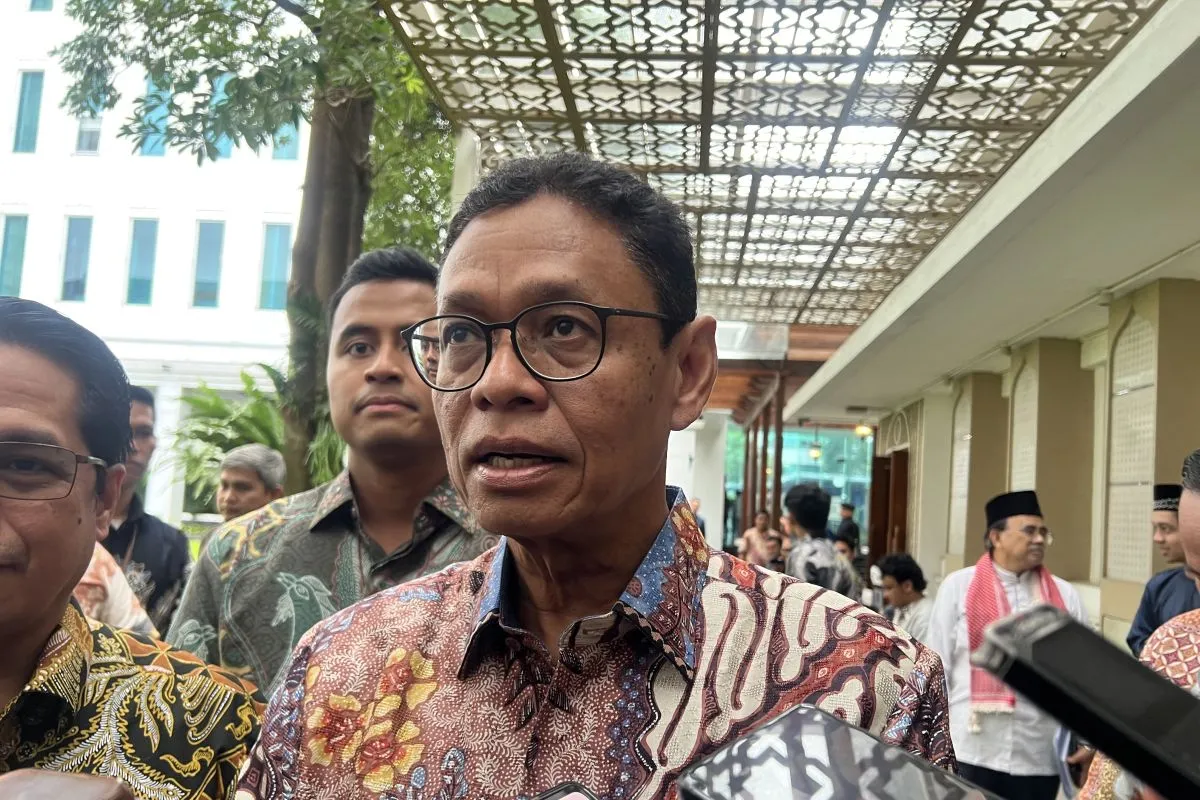
Director General of Mineral and Coal (Minerba) at the Ministry of Energy and Mineral Resources Tri Winarno said around a dozen nickel companies and a dozen coal companies have received approval for their 2026 RKAB revisions.
However, Tri declined to disclose the additional production volume quotas approved for coal and nickel.
“There are, several [applications for RKAB revisions have been approved]. I don’t know the exact number. Maybe around that many [around a dozen companies each for coal and nickel],” Tri told reporters after the IIGCE 2026 event in South Jakarta on Wednesday (August 19, 2026).
Tri indicated that several mines that had previously halted operations due to RKAB-related issues may now resume operations. However, he did not disclose the names of the mining companies.
Previously, Energy and Mineral Resources Minister Bahlil Lahadalia stressed that the granting of mining production quotas under the 2026 RKAB revisions would be carried out in a measured manner.
He said the Ministry of Energy and Mineral Resources would take domestic demand into account while also considering supply and demand conditions, which would affect global commodity prices.
“As I said, we are carrying out the RKAB process very carefully, taking supply and demand into consideration. If we do not handle it carefully today, prices could be corrected downward. So, regarding the RKAB, we are implementing measured relaxation,” Bahlil said at the Ministry of Energy and Mineral Resources office on Monday (August 3, 2026).
However, Bahlil declined to provide information on the projected additional production quotas to be granted by the government under the 2026 RKAB revisions.
Bahlil stressed that the information could affect movements in global markets and commodity prices, particularly for coal and nickel ore.
“There are [changes to production quotas in the 2026 RKAB], but don’t ask me how much the changes are, because once I disclose that, prices could become volatile again,” Bahlil said.
In addition, Bahlil said the allocation of production quotas also takes into account their contribution to state revenues.
According to Bahlil, the government prioritizes RKAB approvals for mining companies that pay royalties at higher rates. This allows the government to optimize state revenues while maintaining production levels.
“Take this as an example. If one company produces 1 billion tons and contributes IDR 120 trillion in non-tax state revenue (PNBP), while another produces 800 million tons but contributes IDR 130 trillion in PNBP, which one would you choose? Which is better? Say there are 10 companies, three of which pay a 19% royalty and seven pay, say, 11%. Which companies would you prioritize? That is the logic,” Bahlil explained.
Regarding RKAB revisions, under Energy and Mineral Resources Ministerial Regulation No. 17/2025, mining companies may apply for changes to their RKAB after submitting periodic reports through the second quarter, or no later than July 31 of the current year.
Mining industry players are still waiting for the government to evaluate and approve the RKAB revisions they submitted last month.
Meanwhile, the Ministry of Energy and Mineral Resources has cut this year’s coal production target under the 2026 RKAB. Coal production under the 2026 RKAB has been set at around 600 million tons, down from actual production of 817.48 million tons in 2025.
Nickel ore production under the 2026 RKAB has been set at between 260 million and 270 million tons. This represents a significant decline from the previous year’s RKAB target of 379 million tons.
Regarding the nickel RKAB revision, reports had emerged that PT Weda Bay Nickel (WBN) had received approval for a 2026 RKAB revision, with an additional production quota of around 25 million tons.
Djoko Widajatno, a member of the Advisory Board of the Indonesian Nickel Miners Association (APNI), said he had received information that PT WBN had been granted an additional 25 million-ton nickel ore production quota.
As a result, PT WBN’s production quota under the RKAB could potentially increase to 37 million tons from the previous 12 million tons.
“There are indications that PT WBN could receive an additional 25 million tons in production quota, with other companies potentially receiving similar increases. However, APNI has yet to receive any official notification from either the government or the company,” Djoko said when contacted on Thursday (August 6, 2026).
Responding to the matter, Bahlil only said that his ministry had not increased PT WBN’s nickel ore production quota. “Not yet, not yet, there is no [additional 25 million-ton RKAB quota] yet,” Bahlil said when met by reporters at the State Palace on Thursday (Aug. 6, 2026).
Advertisement