Freeport Prepares New Mine to Stabilize Production
Wed 05 Aug 2026, 16:25 PM
Share
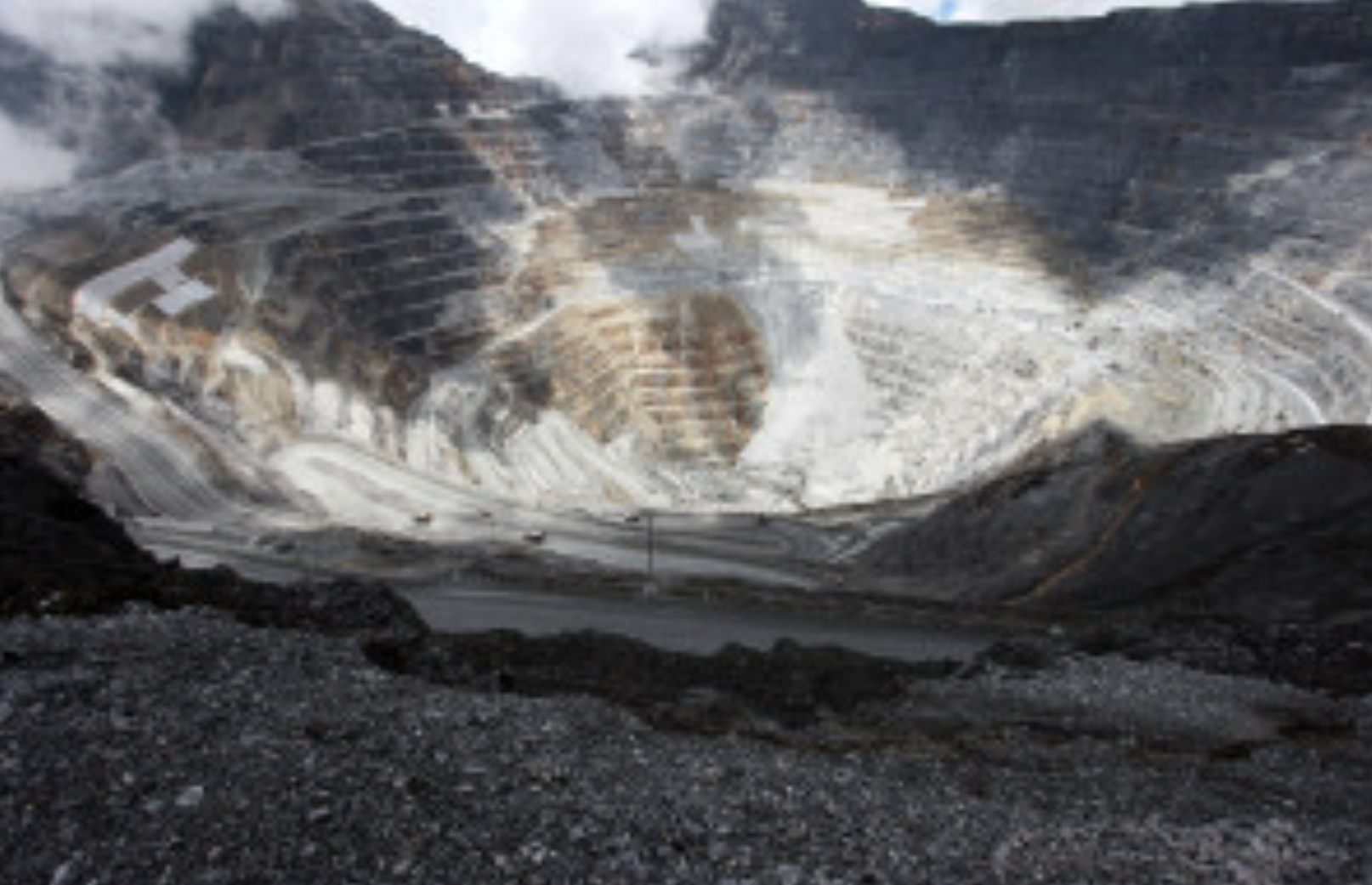
PT Freeport Indonesia (PTIF) is preparing to develop a new underground mine to ensure long-term production stability beyond the expiration of its Special Mining Business License (IUPK) in 2041. The company said the project requires a long development timeline, making early planning and regulatory certainty essential.
Tony Wenas, PTFI President said underground mine development typically takes between 15 and 20 years from exploration to commercial production.
As a result, Freeport has applied for an extension of its IUPK well before the current license expires; the company said the extension would allow it to invest in discovering and developing new mineral reserves before production from existing mines begins to decline after 2041.
"We will develop a new mine that may take around 15 years. But we need certainty from now. That is why we are applying for the extension now," said Tony, as cited by CNN Indonesia TV, on Monday, August 3, 2026.
He said early extension is intended to prevent production drop after 2041 by ensuring new underground operations are ready before existing reserves are depleted.
"So that when 2041 comes, there will be no depletion in production. Production will remain stable because we are confident enough to invest in finding new reserves that we believe exist," he adds.
Long-term Benefits for Jobs and State Revenue
According to Tony, maintaining mining operations preserves employment for around 35,000 workers allowing the company's community development programs, valued at nearly Rp2 trillion (approximately US$113 million) annually.
He adds continued operations would also sustain Freeport's contribution to state revenue. The company generated around Rp75 trillion (approximately US$4.2 billion) in benefits for the government last year, with annual contributions reaching Rp120 trillion (around US$6.8 billion) by 2028 if operations continue.
"The benefits for the country reached Rp75 trillion last year, and by 2028 they are estimated to reach Rp120 trillion per year. That would also stop if there is no continuity," Tony said.
He stressed the mining license extension would benefit all stakeholders, arguing that underground mines cannot simply be transferred to another operator once production ends because the mined-out underground structure would no longer be suitable for future extraction.
"No one benefits if operations stop in 2041. Others also cannot simply continue mining because the mine will have already collapsed. There are benefits for everyone if the license is extended," Tony concluded.
Advertisement