Metso Wins USD 210 Million Copper Smelter Contract in Asia
13 Jan 2026, 02:20 AM 799

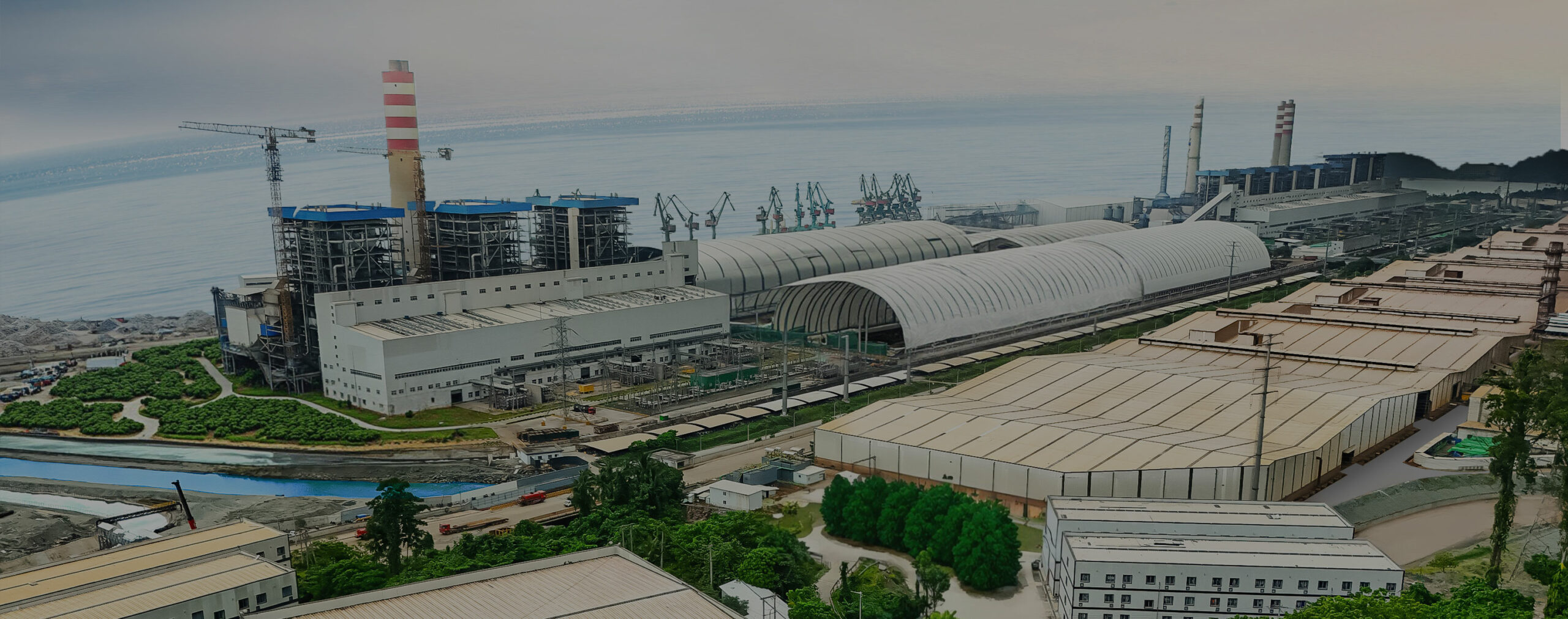
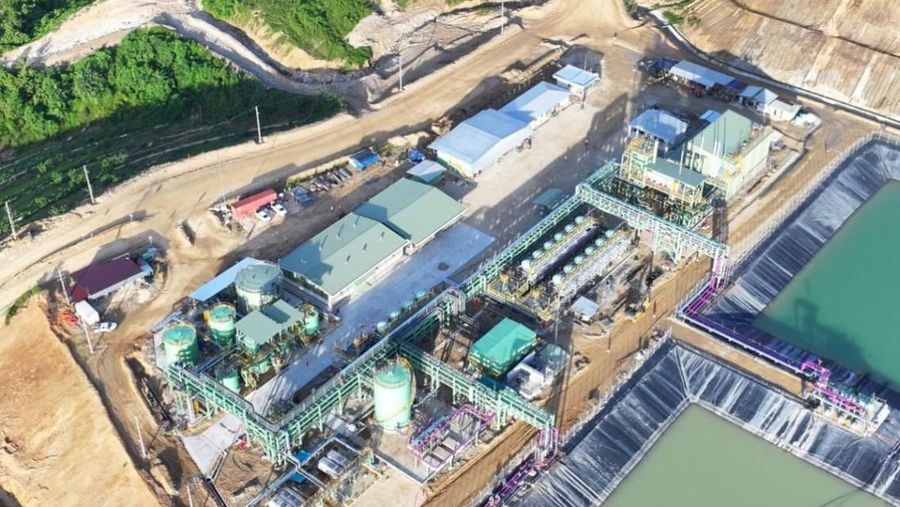
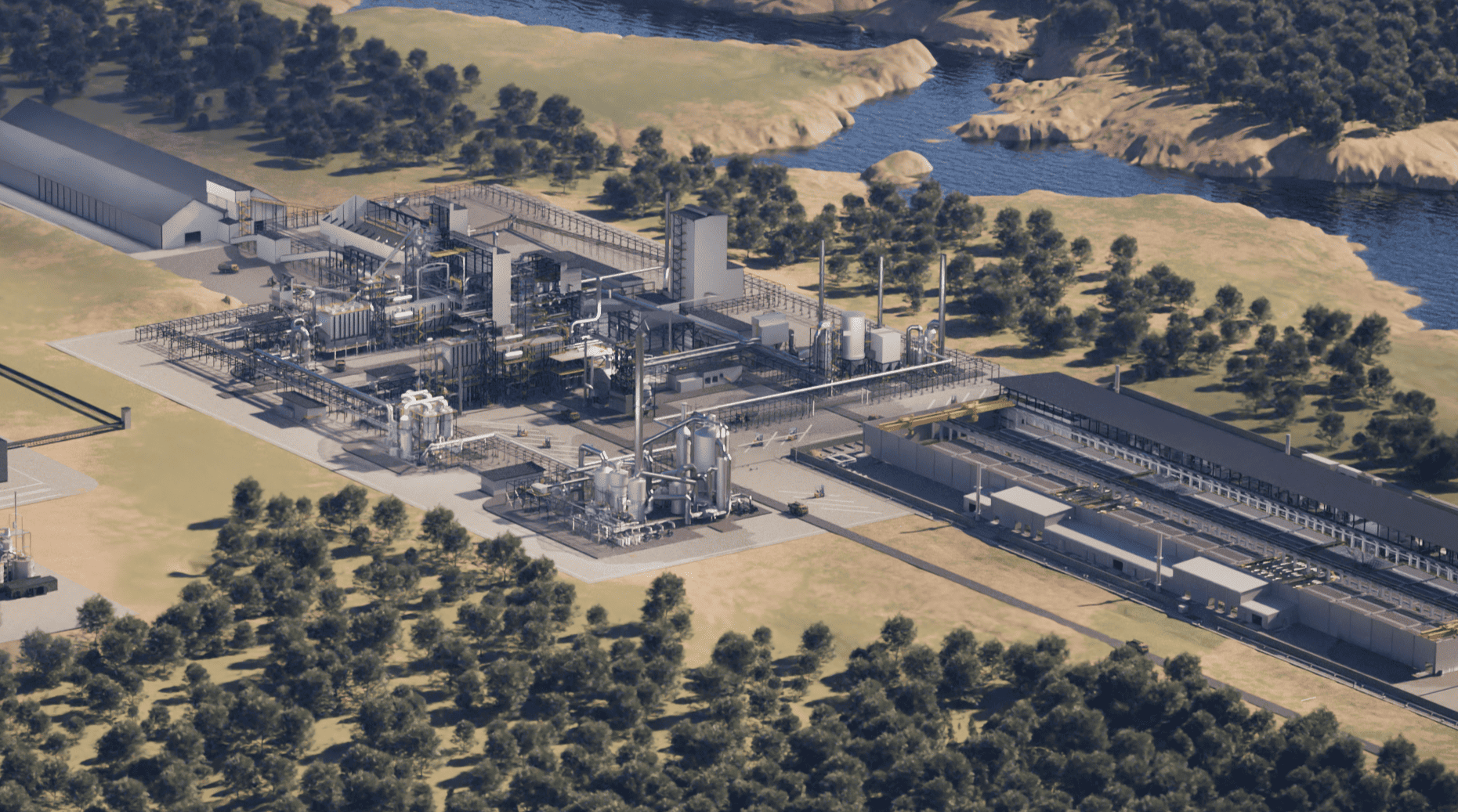
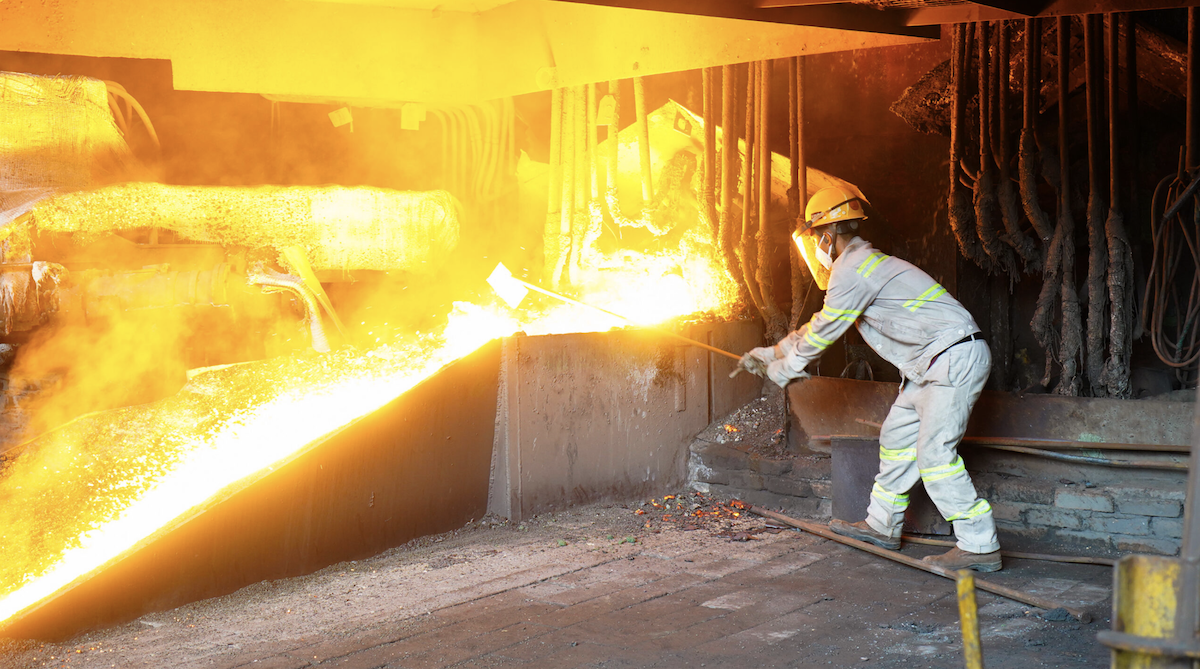
Metso says it has won a major order worth around EUR 180 million (USD 210 million) for the delivery of engineering and key process equipment for a new primary copper smelter investment in Asia.The planned production capacity of the copper smelter complex is 300,000 t/y of copper cathodes and 1.1 million t/y of sulphuric acid.The new copper smelting line is based on Metso’s Outotec® Flash Smelting, PS Converting and Lurec® technologies. It includes the design and supply of key process equipment for the main areas of the smelter complex, and the gas cleaning and sulphuric acid plant, copper electrolytic refinery and precious metals refinery. The delivery also comprises site services and spares.Piia Karhu, President, Minerals at Metso, said: “We are very pleased about this order. The Outotec Copper Flash Smelting method, which is part of the Metso Plus portfolio, is the world’s most widely applied technology for large-scale copper smelting plants.”Metso is a leading technology supplier to the copper processing industry, offering comprehensive solutions that, it says, span the entire production chain, from concentrate processing to refined copper. The Metso Plus solutions enable significant reductions in CO₂ emissions, and improve energy- and water-efficiency, at the same time ensuring high metal recovery even from challenging raw materials.Metso’s portfolio for copper smelting includes, for example, the Outotec Flash Smelting and Ausmelt® processes, complemented by Lurec technology for optimised gas cleaning and sulphuric acid recovery. In addition, Metso offers advanced e-Scrap smelting technologies for the recycling of electronic waste and a comprehensive scope of lifecycle services. Since the 1950s, Metso has delivered more than 50 copper smelters to major customers around the world.

Prabowo Wants Coal Gasification Project to DME to Move Forward
12 Jan 2026, 06:38 AM 414

President Prabowo Subianto emphasized that Indonesia is capable of carrying out coal gasification to produce dimethyl ether (DME).Prabowo points out that Indonesia is one of the countries with the largest coal reserves in the world.He expressed confidence that the resulting DME products could replace the import of liquefied petroleum gas (LPG).“We can produce DME which can replace our LPG imports from abroad,” Prabowo said during his remarks at the inauguration of the Balikpapan RDMP project in East Kalimantan on Monday (12/1/2026).On the other hand, Prabowo emphasized that Indonesia possesses other abundant energy resources.He stated that Indonesia is capable of producing energy from plants, namely biodiesel from palm oil.Furthermore, Prabowo noted that Indonesia has the largest geothermal and hydropower potential, which has not yet been utilized to its maximum.“So that we truly can produce our own energy. We don't need to import energy from outside,” said Prabowo.Therefore, he targets Indonesia to stop importing energy commodities within the next 5–7 years.“The important thing is that we must head in that direction. But who knows, with hard work, we might produce it even sooner,” said the Head of State.Previously, the Minister of Energy and Mineral Resources, Bahlil Lahadalia, stated that one more month is needed to finalize the coal gasification project into DME.Bahlil mentioned that within that month, he would coordinate closely with the Chief Executive Officer (CEO) of the Danantara Investment Management Agency (BPI), Rosan Roeslani, to finalize the project before conducting the groundbreaking.“Give me one more month to work out the details. Mr. Rosan and I will complete it within a one-month period,” Bahlil told the media in Hambalang, West Java, on Tuesday (6/1/2026).

BRMS Allocates USD 320 Million to Develop Gold and Copper Mining Projects Through December 2025
12 Jan 2026, 12:43 AM 576

PT Bumi Resources Minerals Tbk (BRMS) spent USD 3.20 million, or equivalent to IDR 53.76 billion (at an exchange rate of IDR 16,800 per USD), on exploration activities during the fourth quarter of 2025.Throughout the October–December 2025 period, BRMS conducted exploration through five subsidiaries: PT Citra Palu Minerals, PT Dairi Prima Mineral, PT Gorontalo Minerals, PT Linge Mineral Resources, and PT Suma Heksa Sinergi.According to the Indonesia Stock Exchange (BEI) information disclosure on Monday (12/1/2026), PT Citra Palu Minerals allocated USD 747,040.10 for four gold exploration blocks and one production operation block in Central and South Sulawesi.In this regard, the company continued resource drilling at the River Reef-Watuputih Prospect, Block I Poboya, reaching a total depth of 89,582.40 meters by the end of December 2025. A total of 356 drill points have been completed, including 3 hydrogeological drill holes and 13 geotechnical drill holes.Meanwhile, the production operation costs for PT Dairi Prima Mineral (DPM) were recorded at USD 21,275.86. However, there were no exploration activities from October to December 2025, as exploration at the Anjing Hitam Prospect has been completed and the project has now entered the Production Operation stage.Besides the Anjing Hitam Prospect, other prospects within DPM’s Contract of Work (KK) area remain at various stages, ranging from regional exploration to resource delineation drilling.One of the most advanced projects is the Lae Jehe Prospect, located approximately 200 meters northwest of the Anjing Hitam Prospect. This prospect has entered the resource delineation drilling stage and will continue to be developed until mineral resources with a more dominant measured and indicated classification are achieved.Furthermore, PT Gorontalo Minerals disbursed USD 1,817,796.70 for gold and copper production operations at the Cabang Kiri East Complex Block I (Tombulilato), Motomboto Complex Block I, Sungai Mak Complex Block I, Kayubulan Prospect Block I, and the Gunung Lintah Area Block I.The company conducted exploration drilling at the Cabang Kiri East Prospect, Block I Tombulilato, with a current total drilling depth of 15,730.4 meters.They also continued geological mapping and surface rock sampling in the Gunung Lintah and Mono areas of Block I Tombulilato, as well as ridge spur soil sampling in the same areas.Additionally, PT Linge Mineral Resources spent USD 338,794.52 on gold mine exploration at the Bulan Prospect (Abong Project), Bintang 1 Prospect (Abong Project), Bintang 2 Prospect (Abong Project), and Regional Exploration (IUP Area).Lastly, the costs incurred by PT Suma Heksa Sinergi for gold and silver mining production operations amounted to USD 277,009.01. These production operations were carried out at the Pasir Karang Prospect, Regional North Pasir Karang, Regional West Pasir Awi, and Regional Northeast Gember.
AMMN Allocates USD 3.03 Million for Sumbawa Exploration: Mechanism and Plan
11 Jan 2026, 12:45 AM 485

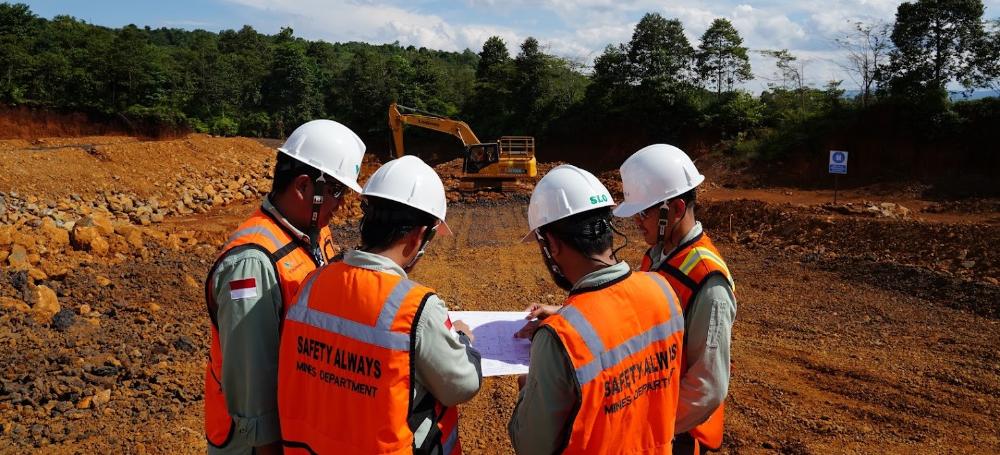
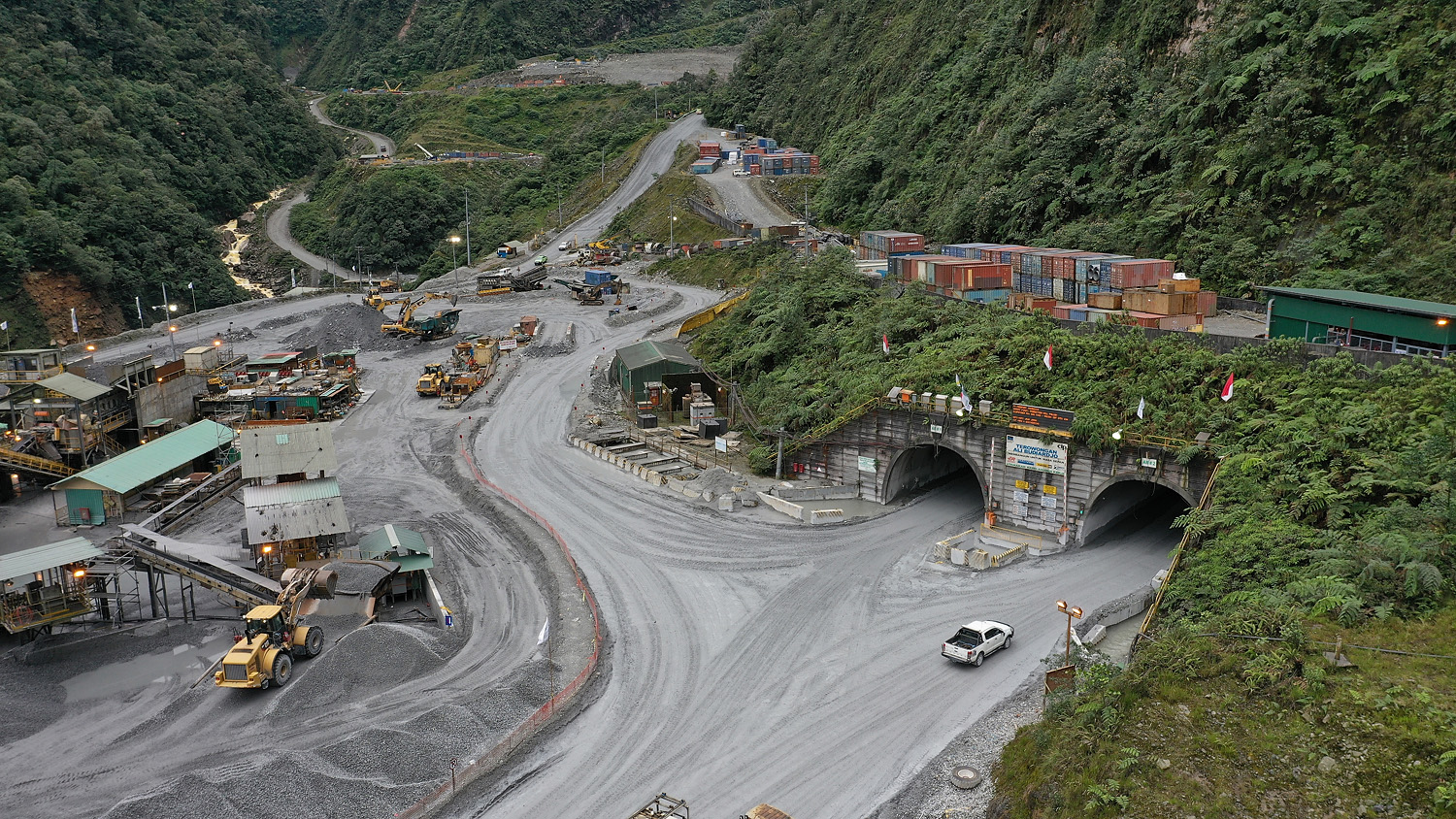
PT Amman Mineral Internasional Tbk (AMMN), through its subsidiary PT Amman Mineral Nusa Tenggara (AMNT), has officially reported its exploration operational achievements throughout the fourth quarter of 2025.This strategic move includes intensive activities within the Special Mining Business License (IUPK) area located in Sumbawa, West Nusa Tenggara.Throughout the period of October to December 2025, the company recorded an expenditure of USD 3.03 million to strengthen its future mineral reserve base.Based on the information disclosure report released on Saturday, January 10, 2026, the primary focus of exploration was directed at two strategic areas: Block II Elang and Block III Rinti.These activities are part of AMMN's ongoing efforts to optimize the potential of copper-gold (Cu-Au) porphyry deposits, which are the company's operational strength in the global mining industry.The Block II Elang area became the main focus of activity, with fund absorption reaching USD 2.8 million.At this location, AMNT conducted a series of geological mappings and core drillings covering several potential areas, such as the Elang Cu-Au porphyry project, Gerbang Timur, and Sebu Timur.Additionally, drilling was carried out in the Semamu area, which is projected as a location for waste dump placement.In its execution, AMNT's exploration management team collaborated with professional partners, namely PT Minera Nusa Drillindo as the drilling contractor, supported by laboratory services from Intertek Utama Service.Cutting-edge technology, such as the ASD TerraSpec 4 Mineral Spectrometer, was also deployed to perform precise mineral alteration analysis.Technically, drilling in Block II Elang successfully completed 18 drill holes with an accumulated depth of 6,438.5 meters.Meanwhile, activities in Block III Rinti absorbed a budget of approximately USD 226,000. By operating one rig unit, the main focus in this block was exploring mineralization potential beneath the Southwest Sane lithocap layer.By the end of December 2025, two drill holes were completed with a total depth of over one thousand meters. In contrast to the previous two blocks, Block IV Lampui recorded no physical activity or expenditures this quarter, as the company is still conducting an in-depth review of previous exploration data.The sustainability of AMMN's ambitious projects is supported by a solid shareholding structure involving major players in the national energy industry.For information, this structure provides an overview of the company's managerial stability and strategic policy direction moving forward.1. PT Sumber Gemilang Persada (Main Controller): PT Sumber Gemilang Persada holds the position of majority shareholder with an ownership stake of 32.17 percent. With ownership of over 23.3 billion shares, this entity acts as the main controller with significant influence over AMMN's long-term vision. This dominant ownership provides stability in strategic decision-making, particularly regarding large-scale expansion and mine operational integration.2. PT Medco Energi Internasional Tbk (Strategic Synergy): AMMN's ownership structure is further strengthened by the presence of PT Medco Energi Internasional Tbk, which holds 20.92 percent of shares, equivalent to 15.1 billion shares. The involvement of Medco, which is affiliated with the Panigoro family, creates synergy between the mineral mining sector and energy management. Medco's long experience in the natural resources industry adds value to AMMN in improving operational efficiency and market confidence among institutional investors.3. Public Participation and Market Liquidity: The public investor group holds an 18.51 percent stake in AMMN's ownership structure. Although each individual or institution in this group holds less than 5 percent, their role is crucial in maintaining stock trading liquidity on the Indonesia Stock Exchange. This distribution of ownership, which includes domestic retail investors and global institutions, reflects healthy market dynamics for the issuer with the ticker code AMMN.

INCO Spends IDR 28 Billion on Exploration in Morowali and East Luwu
09 Jan 2026, 08:00 AM 429

PT Vale Indonesia (INCO) spent USD 1.67 million—equivalent to around IDR 28 billion (assuming an exchange rate of IDR 16,800 per USD)—on exploration in the fourth quarter of 2025.Exploration focused on areas within the company’s Special Mining Business Permit (IUPK), including the Sorowako Block and Sorowako Outer Area in East Luwu Regency.It also covered South Sulawesi and the Bahodopi Block in Morowali Regency, Central Sulawesi, as well as the Pomalaa Block in Kolaka Regency, Southeast Sulawesi.In a disclosure on Thursday (January 8, 2025), Vale reported spending USD 657.89 thousand in October, USD 508.77 thousand in November, and USD 507.08 thousand in December.INCO carried out the exploration together with third parties, namely drilling and geophysics contractors.The work used HQ-3 core drilling with 100-meter and 50-meter spacing to upgrade resource classification in Block 1 Tetenggala and Block 1 Lalombundi (Pomalaa Block).Meanwhile, geophysical surveys employed the Electrical Resistivity Tomography (ERT) method, with measurements conducted in Block 1 Tetenggala (Pomalaa Block).Management stated that test results are being processed for resource and reserve estimation using the ordinary kriging method in Sorowako.At the Pomalaa Block, drilling with 100-meter and 50-meter spacing will continue in Block 1 Lalombundi and Block 1 Tetenggala (Pomalaa Block).“Geophysical measurements using the ERT method will continue in Block 1 Tetenggala (Pomalaa Block). All drilling activities are planned to obtain a complete laterite profile,” management said.

Investment Minister Rosan Roeslani Meets Tsingshan Group to Discuss Continued Investment and Nickel ...
09 Jan 2026, 03:13 AM 567

Investment and Downstreaming Minister/Head of the Investment Coordinating Board (BKPM) Rosan Roeslani recently received a visit from representatives of China’s industrial giant Tsingshan Group. The high-level meeting was revealed through a post on Rosan’s personal Instagram account, @roesanroeslani, on Friday (January 9, 2026).In his post, Rosan emphasized that Indonesia and Tsingshan Group have established a long-term partnership. This cooperation, according to “Mureks”, focuses on developing nickel-based industries and mineral downstreaming programs in the country.Discussion on Investment Sustainability and Downstreaming“Indonesia and Tsingshan Group have established a long-standing collaboration in nickel-based industries and downstreaming in our country,” Rosan wrote on his personal Instagram account, quoted Friday (January 9, 2026).The early-week meeting involved Rosan; the Chairman of External Tsingshan, Mr. Xiang Binghe; and the Director of PT Indonesia Weda Bay Industrial Park (IWIP), Mr. Scott Ya. Their discussion covered several crucial points.“We discussed sustaining investment, deepening value-addition, and the direction of industrial-park development so it aligns even more closely with Indonesia’s long-term development vision,” said Rosan.Profile of Tsingshan Group and Its Footprint in IndonesiaFor context, Tsingshan Holdings Group is a private Chinese company engaged in stainless steel and nickel. Founded in 1988 by Xiang Guangda in Wenzhou, the company began entering Indonesia’s nickel industry in 2009.One Tsingshan affiliate operating in Indonesia is PT Weda Bay Nickel. According to Weda Bay Nickel’s official website, the company is a joint venture in which Tsingshan holds a majority 51.3% stake. Eramet owns 37.8%, and PT Antam Tbk holds 10%.Tsingshan also owns PT Indonesia Tsingshan Stainless Steel (ITSS), located within the PT Indonesia Morowali Industrial Park, Central Sulawesi. ITSS is engaged in metal-mineral processing and stainless-steel production. Its shareholders include Tsingshan Holding Group Company Limited, Tsingtuo Group Co. Ltd., Hanwa Company Limited, and Ruipu Technology Group Company Limited.PT Indonesia Morowali Industrial Park (IMIP) also holds a 10% stake in ITSS, making it the only Indonesian company among the shareholders. In Morowali, Tsingshan Holding Group has other subsidiaries operating in similar fields, such as PT Indonesia Guang Ching Nickel and Stainless Steel Industry (GCNS) and PT Sulawesi Mining Investment (SMI).

NuEnergy and Beijing Partners Agree to Accelerate the Tanjung Enim CBM Project
08 Jan 2026, 07:52 AM 398

A new chapter for Indonesia’s non-conventional energy industry officially begins today. NuEnergy Gas Limited (ASX: NGY), a clean-energy company listed in Australia, has partnered with Chinese strategic ally PT Beijing Energy Linking (PT BEL) to accelerate the development of Coal Bed Methane (CBM) projects in South Sumatra.The collaboration agreement was signed at the JS Luwansa Hotel, Jakarta, on Thursday (January 8, 2026), as reported by Lintang, a correspondent for ruangenergi.com. The event was witnessed by the Head of the Special Task Force for Upstream Oil and Gas (SKK Migas), Djoko Siswanto, underscoring a new milestone in the nation’s energy resilience.This strategic move is seen as a “breath of fresh air” for upstream oil and gas investment, particularly in non-conventional gas utilization long touted as Indonesia’s energy of the future.This is no token partnership. NuEnergy is teaming up with PT BEL, a subsidiary of Shanghai Beijing Energy Linking New Energy Development Co. Ltd. (SBJE). SBJE is backed by energy giant Beijing Energy International Holding Co. Ltd. (BJEI) and Envision Group as its principal shareholders.NuEnergy CEO Lim Beng Hong said the collaboration marks significant progress for the development of Indonesia’s CBM industry.“This collaboration marks significant progress in the development of Coal Bed Methane in Indonesia and strengthens the operating investment climate for CBM in the country,” the company stated in its invitation letter.The core focus of the partnership is to accelerate development of the Tanjung Enim Working Area (PSC). This asset is particularly notable as Indonesia’s first CBM project whose initial Plan of Development (POD 1) has been approved by the government.Today’s signing follows swiftly from an earlier agreement. On December 17, 2025, NuEnergy’s subsidiary, Dart Energy (Tanjung Enim), signed a Gas Sales Agreement (GSA) with PT Perusahaan Gas Negara Tbk (PGN).The project is projected to carry an initial contract value of around USD 200 million, equivalent to several trillion rupiah.The presence of SKK Migas Head Djoko Siswanto at the ceremony signals the government’s full support for CBM as a backbone of the energy transition. Coal Bed Methane is viewed as a crucial clean-energy source to help achieve Net Zero Emissions while meeting rising domestic demand.Technically, the Tanjung Enim PSC holds gas reserves ready for commercialization. NuEnergy targets plateau production of up to 25 million standard cubic feet per day (MMSCFD) for ten years. For the initial phase, first gas sales of 1 MMSCFD are targeted to start flowing in the first half of 2026.Gas from Tanjung Enim will be transported through pipelines integrated with South Sumatra’s main gas infrastructure network, enabling supply to the Java market and potential exports to Singapore and Malaysia.With fresh investment and strong regulatory backing from SKK Migas, the “treasure trove” of methane beneath the soil of Sriwijaya is expected to become a tangible new driver of Indonesia’s economy.

IATA and UNTR Subsidiaries Undertake First Coal Mining Development in Musi Banyuasin
08 Jan 2026, 03:11 AM 532

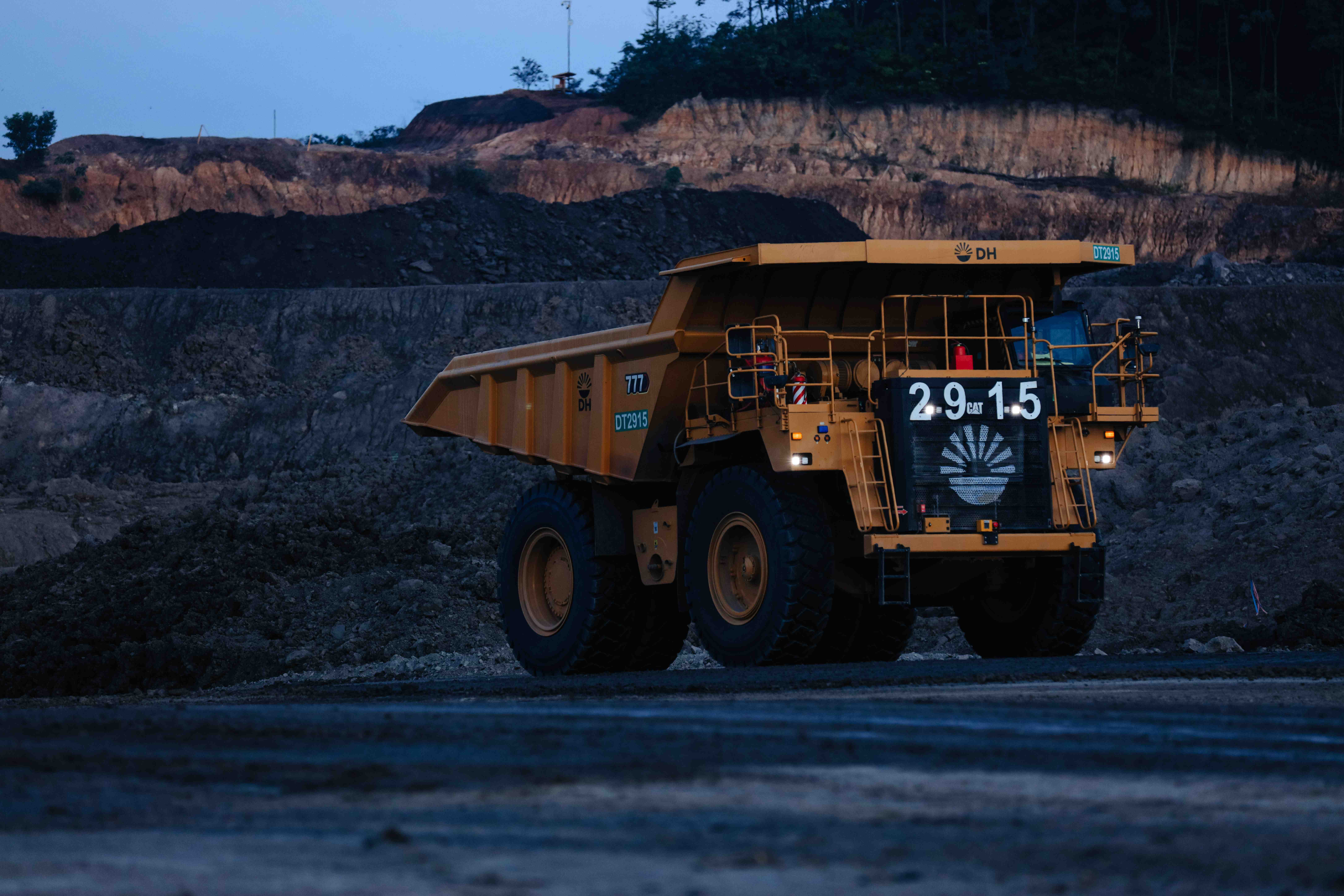
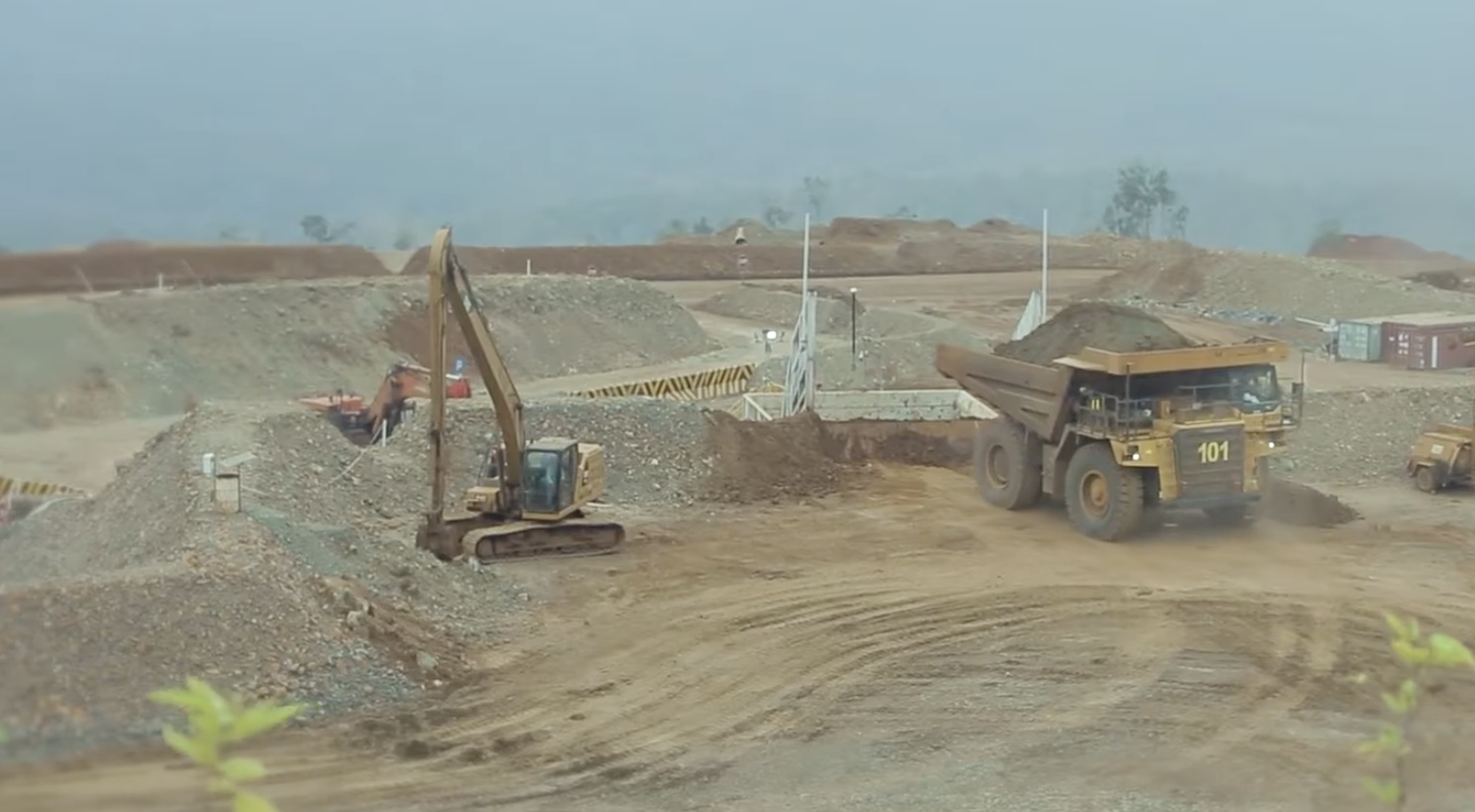
PT MNC Energy Investments Tbk (IATA) today officially held its 1st Digging Ceremony, marking the start of the mining operational phase.This follows the signing of a Mining Contractor Agreement in late December 2025 between IATA’s subsidiary, PT Arthaco Prima Energy (APE), and mining contractor PT Kalimantan Prima Persada (KPP Mining), a business unit of PT United Tractors Tbk (UNTR) under the Astra Group.IATA President Director Suryo Eko Hadianto said the strategic collaboration with KPP Mining strengthens IATA’s technical fundamentals and operational excellence, while laying a solid foundation for significant production growth in the future.“The momentum of today’s 1st Digging Ceremony underscores IATA’s and KPP Mining’s commitment to delivering ambitious production targets while creating sustainable value for all stakeholders,” he said in an official statement on Thursday (January 8, 2026).With a contract value of IDR 5 trillion and a five-year cooperation period effective from January 2026, this coal mining services agreement serves as a strategic pillar to strengthen IATA’s production capacity and operations in APE’s Production Operation Mining Permit (IUP-OP) area in Musi Banyuasin Regency, South Sumatra.The 1st Digging Ceremony marks a key milestone in accelerating IATA’s coal output, supporting an initial target of around 3 million metric tons (MT) in 2026 and medium-term potential to increase to up to 7 million MT per year as operations scale up.

Global Coal Demand in 2026 Predicted to Remain Stable
04 Jan 2026, 08:07 AM 1062

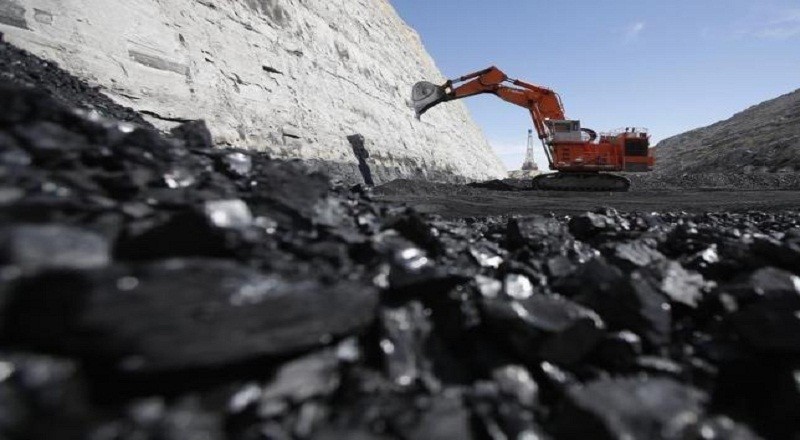
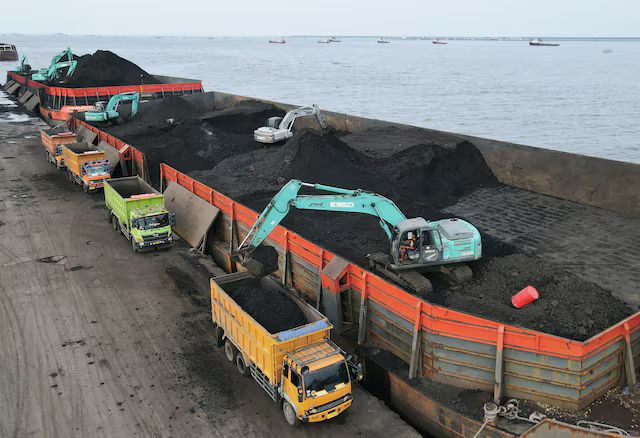
The Indonesian Coal Mining Association (APBI) projects that coal demand from China and India in 2026 will grow moderately, in the range of 0.2% to 1%. Although growth is still expected, this year’s coal market outlook is seen as more challenging in line with regulatory adjustments that took effect at the start of 2026.APBI Executive Director Gita Mahyarani said the adjustment to thermal coal demand prospects from China and India is expected to be limited and will not significantly affect global market dynamics. This aligns with the transformation of their energy mixes and domestic supply conditions in each country.“For China, thermal coal import demand in 2026 is projected to undergo a moderate adjustment of around 0.2% to 0.3% compared to 2025,” Gita said, as quoted by Bloomberg Technoz.In this context, Indonesia continues to maintain a strategic position as a key supplier. As of November 2025, Indonesia accounted for about 55% of China’s total coal imports, underscoring Indonesia’s important role in the global market.Meanwhile, India’s global thermal coal import demand in 2026 is expected to still grow by about 1%. This growth is driven by rising electricity needs, although the realization will continue to be influenced by the management of domestic coal stocks.Gita explained that as of November 2025, Indonesia contributed around 51% of India’s total coal imports.“This condition underscores Indonesia’s dominant role as a primary supply partner,” she added.For Southeast Asia, coal import opportunities remain open but are relatively limited and highly dependent on each country’s needs. Gita pointed out that demand from Malaysia continues to record an increase, while purchases by Vietnam tend to be stagnant. As for Japan, South Korea, and Taiwan, the markets are considered relatively stable with demand leaning toward specific specifications.Heading into 2026, Gita views the coal market outlook as increasingly challenging. Industry players face a combination of regulatory adjustments—including export plans and foreign exchange retention policies for export proceeds (DHE)—amid rising production costs and uncertainty over the production volumes approved by the government.“Businesses will be more cautious, focusing on efficiency, securing medium-term contracts, and diversifying markets realistically in line with actual demand,” she said.On prices, coal ended the final trading day of 2025 on a positive note. On Wednesday (31 December 2025), ICE Newcastle coal for the nearest delivery contract closed at USD 107.5 per ton, up 0.8% from the previous day. Nevertheless, coal prices fell 14.17% over the course of 2025.Amid rising global awareness of environmental sustainability, coal’s role is expected to remain under pressure in the long term. The International Energy Agency (IEA) notes that global coal demand in 2025 will still grow 0.5% to 8.85 billion tons—an all-time high—but is projected to level off and peak around 2030 as renewable energy expands.

Advertisement


GET YOUR PASS