Darma Henwa (DEWA) Secures IDR 22 Trillion Mining Services Contract from Sebuku Sejaka Coal
01 Jul 2026, 09:32 AM 1359

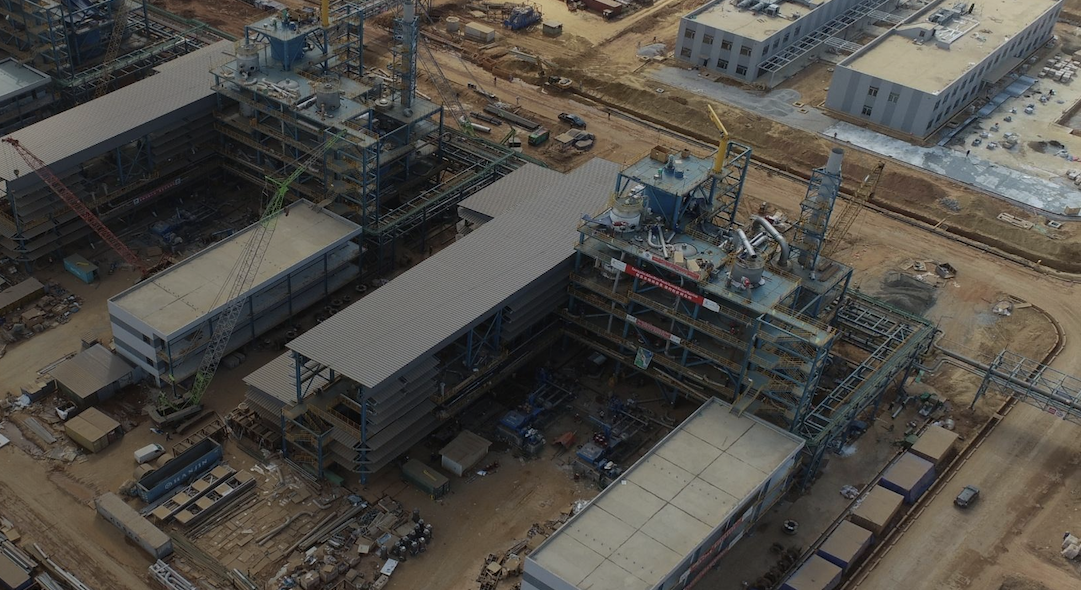
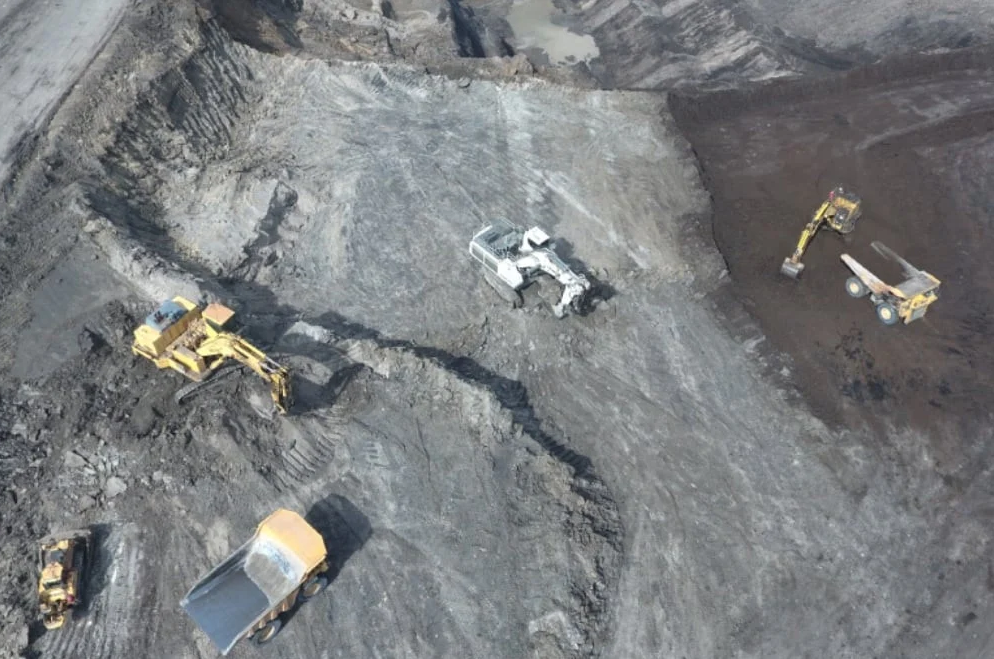
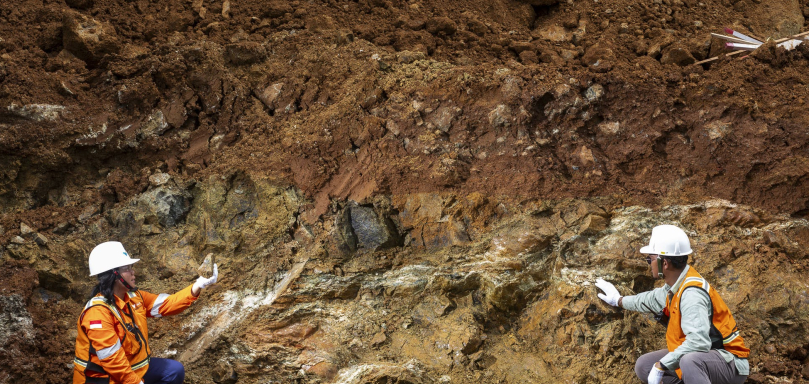
PT Darma Henwa Tbk (DEWA), through its subsidiary PT DH Kontraktama Batubara (DHKB), has secured a mining services contract worth around USD 1.3 billion, or equivalent to IDR 22 trillion, for a coal mining project on Pulau Laut, South Kalimantan.DEWA Director & Corporate Secretary Mukson Arif Rosyidi said DHKB signed a Letter of Appointment and Work Order (SPPK) with PT Sebuku Sejaka Coal (SSC) on June 29, 2026. Under the agreement, DHKB was appointed as the exclusive main contractor to carry out mining operations at the SSC Pit Mining Area."DHKB and SSC officially signed the SPPK for main contractor services at the SSC Pit Mining Area located on Pulau Laut, South Kalimantan," Mukson said in a statement on Wednesday (July 1, 2026).Mukson explained that under the agreement, DHKB will serve as the exclusive main contractor responsible for mining operations at the SSC Pit Mining Area.The scope of work includes mine planning, land clearing, stripping, removal and stockpiling of topsoil, overburden removal, coal mining, coal loading and hauling, haul road maintenance, and other supporting services.The project has a five-year execution period or until the expiry of the mining concession. During the contract period, DHKB is expected to handle waste removal volumes of up to 55 million bcm per year and coal production of up to 5 million tonnes per year.With that capacity, the project is estimated to be worth USD1.3 billion, or around IDR 22 trillion.Mukson added that the signing of the SPPK will have a positive impact on the company's financial condition and business sustainability going forward."The signing of the SPPK will have a positive impact on the Company's financial condition and business sustainability going forward," he concluded.

MDKA Posts Positive Q1 2026 Earnings as Gold and Nickel Production Drives Growth
30 Jun 2026, 10:10 AM 1550

PT Merdeka Copper Gold Tbk (MDKA) recorded a positive bottom line in the first quarter of 2026, driven by higher contributions from gold and nickel ore, as well as improved profitability across its mining portfolio, according to research by Ciptadana Sekuritas Asia (June 30, 2026). The results exceeded market expectations, particularly at the operational level.Revenue reached USD 620 million, growing 2% quarter-on-quarter and 24% year-on-year, equivalent to 15% of Ciptadana’s full-year 2026 projection and 19% of market consensus.EBITDA surged to USD 251 million, increasing 218% quarter-on-quarter and 294% year-on-year, equivalent to 28% of Ciptadana’s projection — exceeding consensus at 26%.PATMI Turns Positive to USD 57 Million Driven by Pani Gold and NickelMDKA’s profit after tax and minority interest (PATMI) turned positive to USD 57 million, compared with a loss of USD 27 million in the fourth quarter of 2025 and a loss of USD 4 million in the first quarter of 2025.The improvement was driven by three main factors: higher limonite (nickel ore) sales supported by stronger volumes and contract prices; higher gold revenue in line with a higher average selling price (ASP) for gold and the first gold sales from EMAS; and improved NPI profitability following an increase in LME nickel prices.The results drove significant margin expansion across all business lines. Gross margin surged to 35.1% from 8.3% in the previous quarter, EBITDA margin increased to 40.5% from 13.0%, and net margin turned positive to 9.3% from minus 4.5%.Summary of MDKA First Quarter 2026 Performance (USD million)IndicatorQ1 2026Q4 2025Q1 2025QoQYoYRevenue620608502+2%+24%EBITDA2517964+218%+294%PATMI57(27)(4)N/AN/AGross Margin (%)35,18,311,5——EBITDA Margin (%)40,513,012,7——Net Margin (%)9,3(4,5)(0,7)——Source: Ciptadana Sekuritas Asia Research, June 30, 2026MDKA’s operational recovery is considered high quality as it is supported by two segments simultaneously — precious metals and downstream nickel — rather than relying on a single commodity. This provides healthier revenue diversification compared with previous periods, when MDKA’s performance was more dependent on nickel price volatility.ConclusionMDKA recorded a high-quality operational recovery in the first quarter of 2026, with PATMI turning positive to USD 57 million, supported by dual contributions from gold and nickel. The stronger margin profile provides confidence that earnings will continue to improve alongside the ramp-up of the Pani Gold Project production. The combination of commodity diversification and operational efficiency serves as an important foundation for MDKA’s future growth trajectory.

MIND ID Targets 2 Million-Ton Emissions Cut as Downstream Expansion Drives Higher Energy Demand
30 Jun 2026, 09:43 AM 661

MIND ID has set a target to reduce greenhouse gas (GHG) emissions by 15.5 percent, or the equivalent of around 2 million tonnes of carbon dioxide equivalent (CO2e), by 2030.MIND ID Division Head of Sustainability Binahidra Logiardi said the decarbonisation challenge in the mining sector is becoming increasingly complex, as it is being carried out amid the expansion of downstream processing programmes, which are a key mandate for companies in the mining industry."With the downstream processing mandate assigned to MIND ID, our operational energy demand is projected to nearly double by 2030. Moreover, emissions are projected to increase by around 2.1 times if no intervention is carried out," Binahidra said in a written statement on Monday (June 29, 2026).Based on the company's projections, MIND ID Group's energy demand will increase from around 149,000 terajoules (TJ) in 2026 to 293,000 TJ in 2030, an increase of more than 90 percent. Without intervention, GHG emissions are projected to rise from 6,100 kilotonnes of CO2e to 12,900 kilotonnes of CO2e over the same period.The surge in GHG emissions reflects the scale of the company's ongoing expansion, ranging from mine development in Kalimantan, the electric vehicle battery ecosystem project in East Halmahera, aluminium facility expansion, smelter construction, to deep-sea mining projects.Programme IntegrationTo curb the increase in emissions, he said, MIND ID is integrating the growth of its downstream processing programme with environmental initiatives that deliver tangible results through a number of decarbonisation measures.First, the transition to lower-carbon fuels. These include increasing the use of biodiesel from B35 to B40, replacing High Speed Diesel (HSD) with liquefied natural gas (LNG), and optimising the use of electricity supplied through the PLN grid.For example, PT Bukit Asam Tbk has replaced fossil fuel-powered dump trucks with Bucket Wheel Excavators (BWE) for coal handling at its Tanjung Enim Mining Unit. The transition to lower-carbon fuel has reduced emissions by around 5,200 tonnes of CO2e per year.Meanwhile, PT Indonesia Asahan Aluminium (INALUM) has converted from HSD to LNG at its baking plant facility, resulting in an emissions reduction of around 3,700 tonnes of CO2e while also improving operational energy efficiency.On the other hand, MIND ID is also expanding the use of biomass and solar energy. For example, PT Indonesia Chemical Alumina (ICA) has implemented biomass co-firing using palm kernel shells to partially replace coal, reducing emissions by around 560 tonnes of CO2e.PT Timah Tbk operates a 300-kilowatt peak (kWp) solar power plant (PLTS), which is capable of reducing emissions by around 300 tonnes of CO2e while promoting the use of clean energy in industrial areas.To complement its GHG emissions reduction strategy, MIND ID is developing carbon offset schemes through nature-based solutions (NBS), the use of Renewable Energy Certificates (REC), and participation in carbon trading.Binahidra underlined that decarbonisation is not merely an environmental obligation, but also a determining factor in the competitiveness of Indonesian mineral products in the global market. This is especially important as investors, financial institutions, and international supply chains are increasingly requiring sustainability as a prerequisite for market access."We support Indonesia's target of achieving its Second NDC by 2030 as well as the country's Net Zero Emissions aspiration. Therefore, all of our strategies must integrate ESG aspects into the company's operations," Binahidra said.
RKAB Revision Opens in July as MEMR Finalizes Nickel and Coal Quotas
30 Jun 2026, 09:16 AM 2765

The Ministry of Energy and Mineral Resources (ESDM) has confirmed that the revision process for the 2026 Work Plan and Budget (RKAB) will begin in July 2026, in accordance with prevailing regulations.ESDM Ministry spokesperson Dwi Anggia stressed that the ministry has yet to decide on additional production quotas for mineral and coal commodities, including nickel."Yes, in line with the regulations [effective from July]. The process is still underway. The calculations are still being carried out first," Anggia told reporters at the ESDM Ministry office on Tuesday (June 30, 2026).Anggia said the ministry is still seeking input from industry associations and mining companies on additional production quotas for commodities ranging from nickel to coal that could be approved under the 2026 RKAB revision."So if there are figures circulating outside, they are definitely incorrect, because the government is still listening to input from business players. It is still under evaluation," Anggia said."The final figure will be determined soon. So if anyone claims a certain number, that is not correct," she added.For reference, the coal production quota approved by the ESDM Ministry for 2026 stands at around 600 million tonnes, down from actual production of 817.48 million tonnes in 2025.Meanwhile, the cumulative nickel ore production quota under this year's RKAB ranges from 260 million to 270 million tonnes, significantly lower than last year's actual production of 320 million tonnes.Minister of Energy and Mineral Resources Regulation No. 17 of 2025 stipulates that applications for RKAB revisions may be submitted in the event of changes in policy regarding national mineral and coal production volumes, or if mineral and coal production targets are not met.It also applies if mineral supply fails to meet industrial or energy needs, if circumstances arise that hinder operations, if environmental carrying capacity is unable to support production activities, or in the event of force majeure.The regulation stipulates that RKAB revisions may be carried out once during the current year by submitting periodic reports up to the second quarter, or no later than July 31 of the current year.Energy and Mineral Resources Minister Bahlil Lahadalia said the government will relax coal RKAB targets throughout 2026."We always follow developments and will implement measured RKAB relaxation. That means if prices are good, we will increase production. If prices begin to plateau, we will also introduce policies so that we can maintain the balance between supply and demand," Bahlil said during a press conference at the House of Representatives complex on Monday (June 8, 2026).For nickel, ESDM Director General of Minerals and Coal (Minerba) Tri Winarno denied reports that the 2026 nickel RKAB quota would be increased to 360 million tonnes."The ESDM Ministry has never made such a statement," Tri told Bloomberg Technoz on Wednesday (June 24, 2026).On a separate occasion, Tri said the 2026 RKAB revision process will begin in July 2026. The approved production quota will take into account the potential state revenue to be generated.Tri indicated that, for coal, production had declined as of May 15, 2026, but state revenue remained relatively stable.According to Tri, this occurred amid the recent increase in coal prices."The point we are making is that we will sell minerals and coal at appropriate prices. We should not sell them too cheaply, but we also must not allow our needs to be disrupted," Tri told reporters at the parliamentary complex in early June.Tri also said applications for RKAB revisions, which will begin next month, will close on July 31, 2026. However, he said he could not yet disclose the timeline for approvals by the ESDM Ministry.

EMAS Becomes First Indonesian Company to IPO in Hong Kong
27 Jun 2026, 04:29 PM 2479

PT Merdeka Gold Resources Tbk (EMAS) has officially listed its shares on the Main Board of The Stock Exchange of Hong Kong Limited (HKEX) through a Hong Kong Depositary Receipts (HDR) offering, becoming the first Indonesian-listed company to complete a dual listing on the Hong Kong bourse.The secondary listing took place on Friday (June 26) under the stock code 6228. EMAS' HDRs began trading at 9:30 a.m. Hong Kong time (8:30 a.m. Jakarta time) at an offer price of HKD 26.60 per HDR, with a board lot size of 100 HDRs.First Indonesian Issuer to List on HKEXMerdeka Gold Resources completed its secondary listing on HKEX through an HDR offering. The transaction marks the first HDR listing in Hong Kong in more than a decade and the first dual listing by an Indonesian company in over two decades.President Director Boyke Poerbaya Abidin said the listing represents a significant milestone in the company's efforts to broaden access to global investors."The successful listing on HKEX marks an important milestone for Merdeka Gold Resources while strengthening Indonesia's presence in the global capital market. The transaction also provides international investors with broader access to one of Indonesia's most significant gold growth assets and reflects confidence in the quality of the Pani Gold Mine," Boyke said in a statement on Friday (June 26).HDRs are securities traded on HKEX that represent beneficial ownership of ordinary shares listed on another stock exchange. In EMAS' case, each HDR represents beneficial ownership of the company's ordinary shares listed on the Indonesia Stock Exchange (IDX).EMAS HDR Offering StructureAs part of the transaction, EMAS offered 89.7 million HDRs to Hong Kong investors, with each HDR representing 10 ordinary shares.The company said all shares underlying the HDR issuance were sold by existing shareholders, meaning no new shares were issued and no additional capital was raised through the transaction."All underlying shares for the HDRs were sold by existing shareholders. Accordingly, the company will not receive any proceeds from the HDR offering," the company said in a regulatory filing on Wednesday (June 24).Controlling shareholder PT Merdeka Copper Gold Tbk also did not sell any shares in the global offering. As a result, the transaction did not alter EMAS' issued share capital or dilute existing shareholders.Based on the HDR offer price, EMAS' market capitalization at the time of its Hong Kong listing was estimated at HKD 44.4 billion (approximately IDR 101.2 trillion), broadly in line with its market value on the IDX.Global Investors Participate in EMAS OfferingThe HDR offering attracted participation from several strategic and international financial investors. Approximately 50% of the total HDRs offered were allocated to cornerstone investors.Strategic investors included Wanguo Gold Group Limited, CNGR Hong Kong Material Science & Technology Co. Limited, Mercuria Holdings (Singapore) Pte. Ltd., Trafigura Pte. Ltd., Glencore International AG, and Intera Mining Investment Limited, a wholly owned subsidiary of JCHX Mining Management Co. Ltd.Financial investors included Ping An of China Asset Management (Hong Kong) Company Limited, GF Fund Management Co., Ltd., Eurus Holdings SPC (ORIX), Dymon Asia Multi-Strategy Investment Master Fund, and Wind Sabre Fund SPC.Strong investor interest comes as EMAS advances development of its flagship Pani Gold Mine in Gorontalo, one of Indonesia's largest primary gold mine development projects.Pani Gold Mine Emerges as EMAS' Key AssetMerdeka Gold Resources is a gold mining company majority-owned by PT Merdeka Copper Gold Tbk and has been listed on the Indonesia Stock Exchange (IDX) since September 2025.Its flagship asset, the Pani Gold Mine, contains 7 million ounces of mineral resources and has an estimated mine life of approximately 15 years. Initial mining activities commenced in October 2025, followed by first gold production in February 2026 and the company's first gold sales in March 2026.The mine's initial operations are supported by a heap leach facility with an annual processing capacity of 8 million tonnes. The company also plans to construct a Carbon-in-Leach (CIL) processing plant, targeted to begin operations in 2028.Once the expansion is completed, total processing capacity is expected to increase to 12 million tonnes per year by 2029, while annual gold production is projected to peak at approximately 545,000 ounces in 2031.

United Tractors Expands into Non-Coal Segment
26 Jun 2026, 05:27 PM 1016

PT United Tractors Tbk (UNTR) is expanding its presence in the non-coal mineral mining sector through a series of strategic transactions by its associate and subsidiaries. The move includes the acquisition of minority stakes in two High Pressure Acid Leach (HPAL) smelters by Nickel Industries Limited (NIC), announced on June 24, 2026, as well as the provision of an intra-group loan.According to Investasi, Nickel Industries, in which UNTR holds a 20.14% stake, has signed an agreement to acquire a 17.5% stake in PT Teluk Metal Industry (TMI) at the Indonesia Morowali Industrial Park (IMIP) for USD 169 million. The acquisition will be funded through internal cash and an additional debt option from Shanghai Decent, NIC's largest shareholder.In addition to TMI, Nickel Industries has also agreed to acquire a 36% stake in PT Chengsheng New Energy for USD 241.6 million through the monetization of an 18% interest in two mining companies under the Sampala Project, without the use of cash. Chengsheng New Energy is projected to contribute 10,208 tonnes of Mixed Hydroxide Precipitate (MHP) nickel production annually by mid-2027, while TMI is expected to contribute 6,775 tonnes of MHP nickel production per year by no later than September 2027.In another business line, two UNTR subsidiaries—PT Danusa Tambang Nusantara (DTN) and PT Agincourt Resources (PTAR)—signed a revolving loan facility agreement of up to USD 70 million on June 22, 2026. The loan, which carries an interest rate of Term SOFR +1.15% per annum, is valid until June 16, 2029, to support PTAR's general funding requirements.Management said the intra-group loan was provided because it offers a more optimal return for the company than conventional banking instruments currently available."From a business perspective, it is more beneficial for DTN to provide this loan to PTAR than to keep its cash deposits in banks at the current deposit rates," United Tractors Corporate Secretary Ari Setiyawan said.Capital market analysts said the series of transactions reinforces the Astra Group company's commitment to expanding its green portfolio and reducing its dependence on coal amid the energy transition."Meanwhile, the funding injection into Agincourt Resources demonstrates efforts to optimize gold production at the Martabe Mine, which has long been a key contributor to UNTR's non-coal business," Nafan Aji Gusta, Senior Market Analyst at Mirae Asset Sekuritas, said on Friday (June 26).Although the U.S. dollar-denominated transactions expose the company to exchange rate fluctuations against the domestic currency, the company's financial position is considered to remain solid due to its low debt ratio."However, UNTR can at least implement a hedging strategy," Nafan Aji Gusta added.Regarding the company's share performance, investors are still advised to monitor the progress of the expansion before making long-term investment decisions."For now, Nafan recommends a wait-and-see approach on UNTR shares," Nafan Aji Gusta said.Meanwhile, a separate analysis by another securities firm maintained a positive outlook on the company's fair value, setting a target price of IDR 29,100 per share in a research report dated June 9, 2026. The projection is based on a 2026 price-to-book value (PBV) ratio of 1.01 times, while noting that external risks remain tied to global commodity price movements and the realization of production quotas.

MIND ID Eyes Domestic Sulfur Potential from Mining Byproducts to Cut Imports
25 Jun 2026, 05:49 PM 1009

MIND ID has begun mapping the potential development of domestic sulfur sources derived from copper and gold mining by-products. The initiative aims to strengthen raw material supply for the nickel downstream industry while reducing Indonesia’s reliance on imported sulfur.MIND ID Director of Mineral Resource Processing Planning, Budi Santoso, said the move is part of the company’s strategy to support the strengthening of the national mineral downstream ecosystem.According to Budi, sulfur demand for the high pressure acid leach (HPAL) nickel processing industry continues to increase in line with the expansion of the electric vehicle battery raw material industry. To that end, MIND ID and its holding members are inventorying sulfur potential that can be extracted from copper and gold mining by-products.“By-products from copper and gold mining, in the form of iron oxide and iron sulfate, have the potential to be processed and extracted to produce sulfur and sulfuric acid that can be utilized to meet industrial demand,” Budi said in an official statement quoted on Thursday (June 25, 2026).He explained that the development of domestic sulfur sources is becoming increasingly strategic as the number of HPAL projects in Indonesia grows. Sulfur is the primary raw material used in the leaching process of limonite nickel ore to produce mixed hydroxide precipitate (MHP), an intermediate product in the electric vehicle battery supply chain.MIND ID estimates sulfur demand will rise significantly alongside the expansion of nickel processing capacity. Based on the company’s calculations, producing one ton of MHP requires around 11.7 tons of sulfur. As a result, every increase in HPAL capacity will drive higher national sulfur consumption.On the other hand, Indonesia remains dependent on imported sulfur supplies. Budi revealed that more than 70% of sulfur demand for the nickel processing industry is currently met through imports, with around 75% to 80% of supply originating from the Middle East.“The current situation shows that more than 70% of sulfur demand for the nickel industry still comes from imports, while most of the supply originates from the Middle East, a region facing geopolitical dynamics,” he said.Industry data show that Indonesia imports around 5.3 million tons of sulfur annually. The heavy reliance on imports is considered to increase the risk of supply disruptions and price volatility, which could ultimately affect the competitiveness of the country’s nickel downstream industry.In addition to sulfur, MIND ID also sees lithium supply as a continuing challenge for the development of the national battery industry. According to Budi, this is a key reason for Indonesia to continue developing nickel-based battery technology that leverages the country's abundant domestic mineral resources.“We need to encourage the development of more efficient nickel-based battery technology, considering Indonesia has large nickel reserves, while lithium raw materials still have to be imported,” he said.The development of domestic sulfur sources and innovation in nickel-based battery technology are expected to strengthen the independence of Indonesia’s mineral industry while enhancing the country’s position in the global electric vehicle supply chain.

Merdeka Battery Targets 35 Million WMT Nickel Ore Production
25 Jun 2026, 04:51 PM 1112

PT Merdeka Battery Materials Tbk (MBMA) has reshuffled its board of directors while setting ambitious production targets for 2026, as shareholders approved the appointment of two new directors to strengthen the company's financial and operational execution at its Annual General Meeting of Shareholders (AGMS) on Wednesday (June 24).Shareholders appointed James Nicholas as Chief Financial Officer and Ashutosh Srivastava Fausimm as Director of Operations, effective upon the conclusion of the AGMS. The meeting also approved the resignation of Anthony Kartono Tan as Director. MBMA expressed its appreciation for Anthony's contributions during his tenure."The strengthened Board of Directors is expected to reinforce MBMA's focus on financial discipline, operational execution, and long-term value creation as the company continues to expand its position across the battery materials value chain," President Director Teddy Nuryanto Oetomo said in a statement.Alongside the board reshuffle, the PT Merdeka Copper Gold Tbk subsidiary unveiled higher production targets for 2026. The company aims to produce 8.0–10.0 million wet metric tonnes (wmt) of saprolite ore and 20.0–25.0 million wmt of limonite ore, bringing its total nickel ore production target to 35 million wmt.Downstream, MBMA targets 70,000–80,000 tonnes of Nickel Pig Iron (NPI) production. Output of High-Grade Nickel Matte (HGNM) is projected at 44,000–48,000 tonnes, representing an increase of up to 140% from the 19,998 tonnes produced in 2025.The targets build on MBMA's solid performance in 2025. The company posted USD 1.435 billion in revenue and USD 219 million in EBITDA during the year. Its Sulawesi Cahaya Mineral (SCM) mine produced 7.0 million wmt of saprolite ore and 14.7 million wmt of limonite ore, while downstream production reached 73,871 tonnes of NPI and 25,994 tonnes of Mixed Hydroxide Precipitate (MHP).To support its production targets, MBMA has commissioned a Feed Preparation Plant (FPP) that transports limonite slurry via pipeline from the SCM mine to the PT ESG New Energy Material HPAL processing facility. The HPAL SLNC project, which has an annual nickel production capacity of 90,000 tonnes, is scheduled to commission its first production line in the second half of 2026.MBMA Board of Directors following the AGMSPresident Commissioner: Winato KartonoCommissioner: Michael W.P. SoeryadjayaIndependent Commissioner: Prof. Dr. Didi AchjariPresident Director: Teddy Nuryanto OetomoDirector: Titien SupenoDirector: James NicholasDirector: Ashutosh Srivastava Fausimm

Vale Indonesia Strengthens Good Mining Practices to Advance Sustainable Mining
24 Jun 2026, 05:35 PM 740

The implementation of Good Mining Practice (GMP) has been identified as key to addressing the increasingly complex challenges facing the mining industry, ranging from environmental and social issues to the need to supply critical minerals to support the energy transition.The issue was highlighted during a talk show titled Sustainability Mining for the Future: Technical Excellence, Innovation, and Good Mining Practices, organized by PT Vale Indonesia Tbk in collaboration with the Bandung Institute of Technology (ITB) and supported by the Ministry of Energy and Mineral Resources (ESDM) in Bandung.Ari Hendarwanto, Mineral Conservation Coordinator at the Directorate of Mineral and Coal Engineering and Environment of the Ministry of Energy and Mineral Resources, said the implementation of Good Mining Practice must serve as the primary foundation for mineral resource management in Indonesia.According to him, mineral conservation is not only focused on the efficient utilization of resources but also includes optimizing value addition, reducing environmental impacts, and strengthening sustainable mining governance."The implementation of Good Mining Practice is an important foundation to ensure that the utilization of mineral resources delivers optimal benefits for the country while maintaining environmental and social sustainability," Ari said.M. Slamet Sugiharto, Director and Chief Strategy and Technical Officer of PT Vale Indonesia Tbk, said the sustainability of the mining sector is determined not only by compliance with regulations but also by the industry's ability to integrate innovation, technology, and data-driven decision-making.According to him, sustainable mining practices must be built through a long-term approach that prioritizes a balance between operational performance, environmental protection, and value creation for communities."Technical excellence and innovation must go hand in hand with environmental and social responsibility. The future of Indonesia's mining industry depends on our ability to implement Good Mining Practices consistently and sustainably," Slamet said.Ahmad Ihsan, a lecturer at the Faculty of Mining and Petroleum Engineering (FTTM) at ITB, said collaboration between universities and industry must continue to be strengthened to accelerate the development of safer, more efficient, and more sustainable mining technologies.According to him, expertise in digital technology, artificial intelligence, ventilation systems, and mine safety will become essential competencies for the next generation of mining engineers.Meanwhile, Prof. Irwan Meilano, ITB's Vice Rector for Academic and Student Affairs, said universities have a strategic role in preparing human resources who are not only technically competent but also aware of sustainability and social responsibility.He said collaboration among academia, industry, government, and students is an important foundation for building an innovative and sustainable mining ecosystem.According to data from the Ministry of Energy and Mineral Resources, the mining sector contributed around 8.5% to 9% of Indonesia's gross domestic product (GDP) in 2025. Meanwhile, non-tax state revenue (PNBP) from the mineral and coal sector reached IDR 130.2 trillion.Despite this contribution, the mining sector continues to face a number of challenges, including carbon emissions, social impacts on communities surrounding mining areas, and post-mining environmental management. Therefore, strengthening technological innovation, enhancing human resource capabilities, and implementing Good Mining Practice are considered key factors in maintaining both the competitiveness and sustainability of Indonesia's mining industry.

Indonesia's Mineral Downstream Investment Hits IDR 98 Trillion in Q1 2026, Led by Nickel, Copper and...
24 Jun 2026, 05:14 PM 1381

Indonesia's mineral downstream sector recorded strong investment performance in early 2026. Based on data from the Ministry of Energy and Mineral Resources (ESDM), realized investment in mineral downstream industries reached IDR 98.3 trillion in the first quarter of 2026, accounting for around 67% of total downstream investment, which amounted to IDR 147.5 trillion. The figures show that minerals remain the main driver of Indonesia's downstream program, with nickel, copper, and bauxite emerging as the three largest investment-attracting commodities.Nickel Leads Mineral Downstream Investment at IDR 41.5 trillionNickel once again led mineral downstream investment, with realized investment reaching IDR 41.5 trillion in the first quarter of 2026. The figure reflects Indonesia's strong position as a major global player in the electric vehicle battery supply chain. Central Sulawesi and North Maluku were the two regions with the highest concentration of nickel investment, where nickel processing industrial parks and EV battery ecosystems are developing rapidly.ANTAM, as part of the MIND ID Group, is a key player in the nickel value chain. Significant investment in the nickel sector has been driven by growing global demand for lithium-ion batteries, in line with the accelerating adoption of electric vehicles in Europe, America, and East Asia.Copper and Iron and Steel Record Significant InvestmentCopper ranked second, with downstream investment totaling IDR 20.7 trillion in the first quarter of 2026. PT Freeport Indonesia is the main player in this commodity, with its copper and gold mine in Papua continuing to make a significant contribution to the country's foreign exchange earnings. The copper downstream program is focused on developing higher value-added products such as copper cathodes and downstream products for the electronics and infrastructure industries.The iron and steel sector also recorded strong performance, with investment reaching IDR 17 trillion, reflecting the growth of the domestic steel industry driven by infrastructure demand. Meanwhile, bauxite, the raw material for aluminium, recorded investment of IDR13.7 trillion, followed by tin at IDR 2.9 trillion and other commodities at IDR 2.5 trillion.75% of Investment Outside Java Boosts Regional EconomiesOne of the most notable positive impacts of the mineral downstream program is the more even geographical distribution of investment. Around 75% of total mineral downstream investment in the first quarter of 2026 was located outside Java, mainly concentrated in mineral-producing regions such as Central Sulawesi, North Maluku, Papua, and Bangka Belitung.The concentration of investment in these regions has not only created direct employment in the mining and processing sectors but has also supported local economic growth through demand for infrastructure, services, and supporting labour. Going forward, the government aims for Indonesia to become a key global player in the EV battery supply chain and green technology by leveraging its abundant reserves of strategic minerals.

Advertisement


Get Your Pass