MIND ID Eyes Greater Control of Copper Supply Chain as Electrification Grows
Wed 09 Sep 2026, 08:55 AM
Share
MIND ID is pushing to strengthen the copper supply chain to bolster mineral sovereignty while creating added value domestically.
MIND ID Institutional Relations Division Head Selly Adriatika said the move had become increasingly strategic amid rising demand for copper to support various industrial sectors, ranging from electricity, transmission networks and electronics to electric vehicles and renewable energy.
She said the integration of assets and capabilities among companies within the holding was part of a strategy to build a mutually supportive mineral value chain.
“MIND ID does not view each asset and company as a standalone entity. We integrate the resources and capabilities of Holding Members so they can support one another, allowing processed mineral products to be further developed as part of the national industrial supply chain and generate added value domestically,” Selly said in an official statement, as quoted on Wednesday (Sept. 9, 2026).
According to her, control over copper resources is becoming increasingly important amid accelerating electrification and the global energy transition. In this context, MIND ID's majority ownership of PT Freeport Indonesia (PTFI) serves as a strategic instrument to strengthen national control over copper resources.
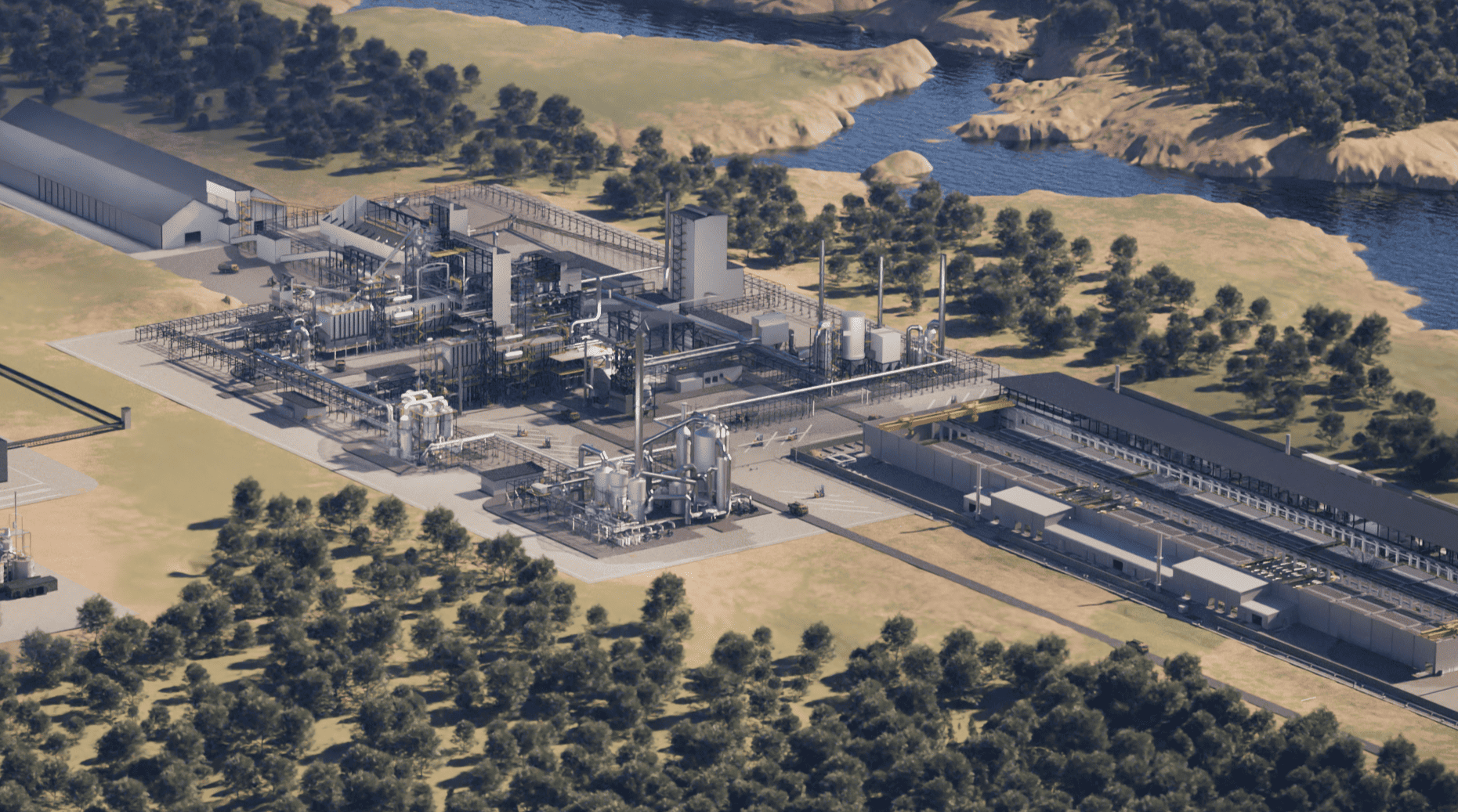
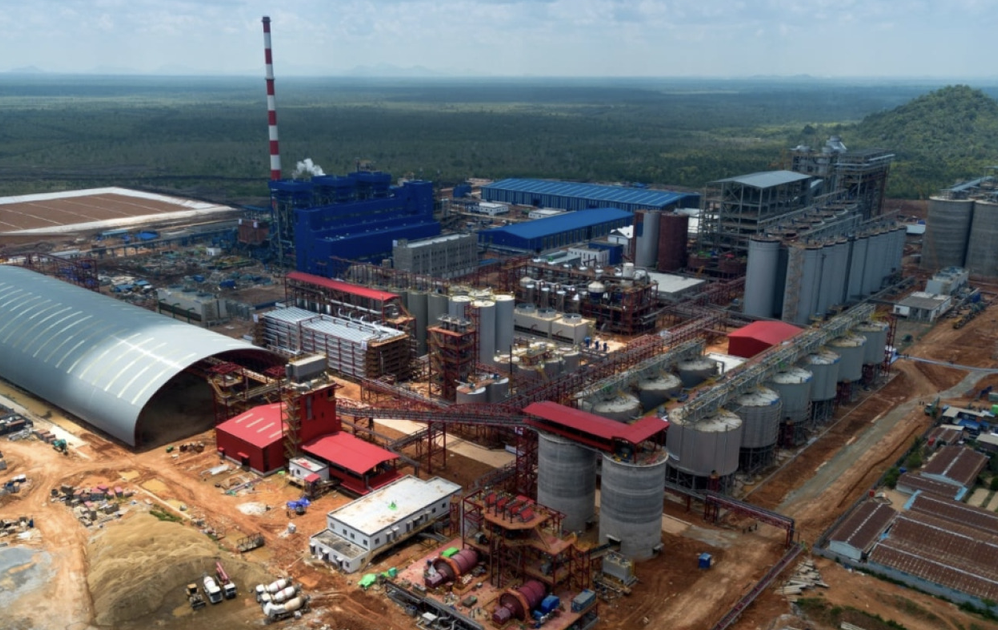
Selly said efforts to strengthen the value chain were not limited to copper mining and refining. PTFI is also developing a Precious Metal Refinery (PMR) in Gresik, East Java, which processes anode slime, a byproduct of copper concentrate processing, into precious metals.
PTFI's PMR has an annual production capacity of around 50 tons of gold and 200 tons of silver. Selly said the facility could extend Indonesia's mineral value chain while opening opportunities to utilize processed products to meet domestic market demand.
According to her, the integration began to materialize in February 2025, when PTFI delivered 125 kilograms of 99.99%-purity gold bars produced by the PMR to PT Aneka Tambang Tbk. (ANTAM), worth around Rp207 billion.
PTFI and ANTAM had previously also agreed on the purchase of up to 30 tons of gold per year.
Domestic demand is one of the opportunities that could be strengthened through the integration. World Gold Council data showed demand for gold bars and coins in Indonesia reached 31.6 tons in 2025. Meanwhile, gold consumption for jewelry reached 16.6 tons.
Thus, total demand across the two segments reached around 48.2 tons, close to PTFI's PMR gold production capacity of around 50 tons per year.
Selly said strengthening the mineral value chain would become increasingly important as demand for strategic minerals rises. Therefore, PTFI's development is aimed not only at increasing production but also at strengthening connectivity between mining, processing, refining and downstream industries domestically.
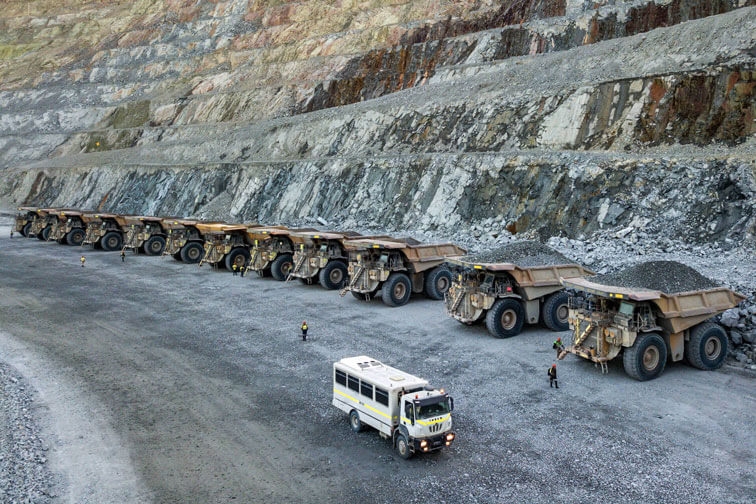
In the copper sector, accelerating the recovery of Grasberg production and optimizing the PTFI Gresik Smelter are key parts of the strategy.
Selly said the two facilities would not only determine Indonesia's national copper production capacity but could also increase the utilization of associated minerals and derivative products for further processing domestically.
“What MIND ID is doing today is part of the journey toward building a sovereign mining industry, where the natural wealth we possess can be managed and developed to the fullest for the benefit of the nation. Indonesia's resources must become a source of strength for today's generation as well as a foundation for generations to come,” she said.
Selly added that through control of strategic assets, downstreaming and integration among Holding Members, MIND ID aims to ensure that Indonesian minerals do not remain mere commodities but can develop into part of the national industrial supply chain.
Advertisement