Indonesia’s Nickel and Cobalt Reserves Reach IDR 15,000 Trillion
Fri 28 Aug 2026, 09:08 AM
Share
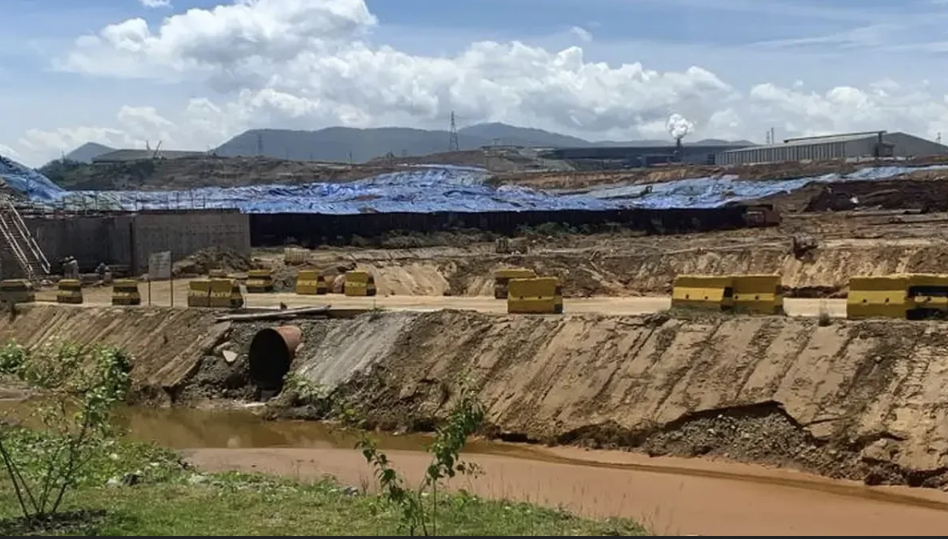
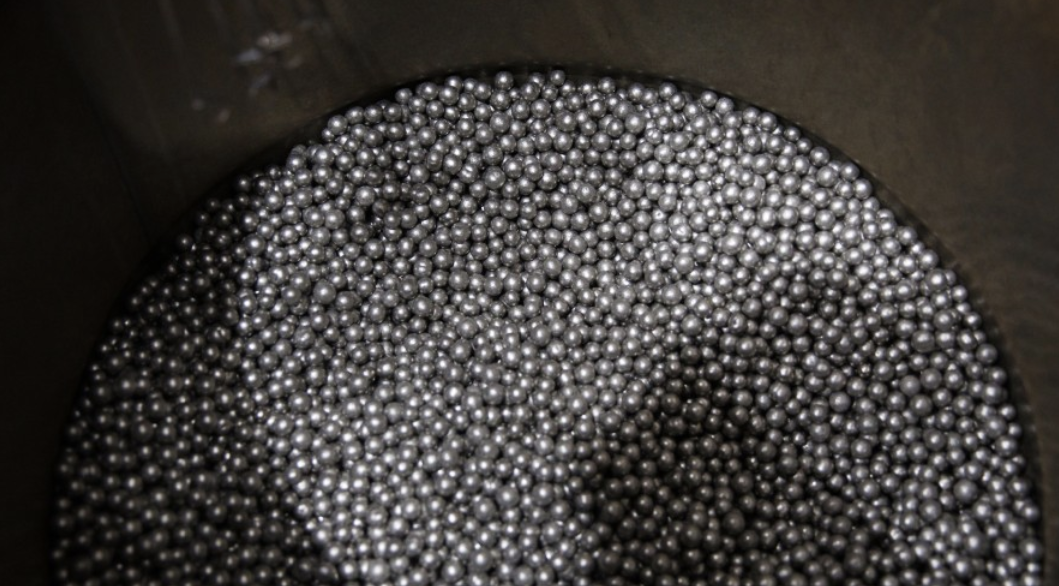
Indonesia holds mineral wealth worth around IDR 15,000 trillion. The figure comes from nickel and cobalt reserves, which, based on current market prices, are estimated to be worth USD 800 billion.
The size of these reserves provides Indonesia with strategic capital to strengthen its mineral processing industry while accelerating downstreaming so that more of the economic value of mining commodities can be captured domestically.
National Economic Council (DEN) Mining and Minerals Expert Team member Nataneil Adhynegara Horansil said the estimate is based on Indonesia’s nickel reserves of around 52 million tons and cobalt reserves of 1.2 million tons.
“If we estimate their value based on the current LME market price, the valuation of the reserves is around USD 700 billion for nickel and around USD 50 billion for cobalt,” he said, as quoted by Antara on Thursday (Aug. 27, 2026).
“So, the total value of nickel and cobalt is around USD 800 billion,” he added.
Nataneil stressed that the USD 800 billion figure does not represent the entire mineral potential held by Indonesia. Rather, it is an estimate of reserves that meet the criteria for monetization based on current market prices.
Mineral resources, meanwhile, represent potential deposits that cannot all yet be mined economically. Their utilization depends on various factors, ranging from market conditions and mining economics to environmental considerations.
“If we are talking about what is minable, what can already be valued and monetized, we look only at the value of the reserves,” he said.
Downstreaming Holds the Key
The size of Indonesia’s nickel and cobalt reserves is considered to offer significant economic opportunities if managed optimally.
“Imagine how much benefit we can derive from these resources. USD 800 billion, if converted into rupiah, would be around IDR 15,000 trillion,” he said.
According to Nataneil, one strategy to maximize the economic benefits of this wealth is through nickel downstreaming policies.
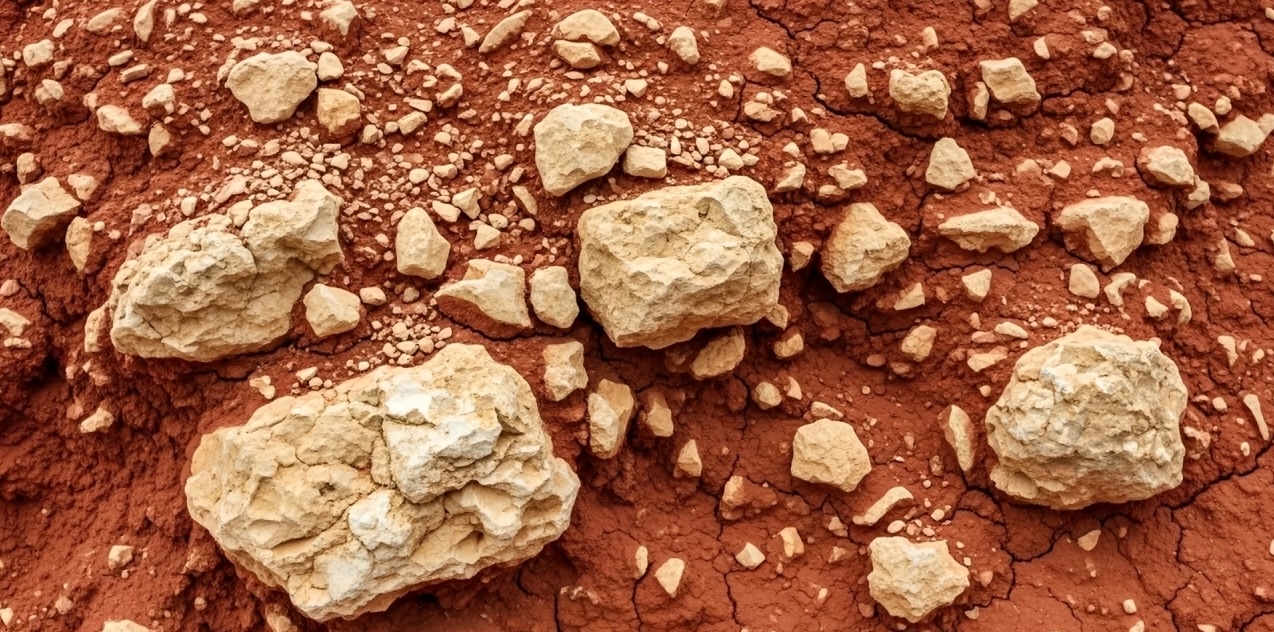
The policy has transformed Indonesia’s mineral industry structure. Whereas nickel was previously exported largely in the form of raw ore, processing is now carried out domestically to produce higher-value-added products.
Indonesia has been able to produce intermediate products such as nickel pig iron (NPI). However, the development of this industrial chain is expected to extend beyond intermediate products.
Nataneil hopes the nickel industry value chain can continue to be strengthened into strategic sectors such as battery and electric vehicle production.
The development of downstream industries is considered important not only to increase the economic value of mineral reserves, but also to strengthen Indonesia’s position in global industrial supply chains.
Currently, Indonesia’s national nickel smelter capacity has reached around 1.8 million tons. Most of these processing facilities are located in industrial areas in Sulawesi.
Nickel Product Exports Rise 12-Fold
The impact of downstreaming is also beginning to emerge in the development of Indonesia’s nickel product trade.
Nataneil said the value of nickel product exports has risen sharply over the past decade, increasing around 12-fold since 2014.
While the value stood at around USD 3 billion per year in 2014, nickel product exports reached USD 37 billion last year.
The surge has coincided with an influx of foreign investment into the mineral processing sector. Foreign direct investment (FDI) in the base metals sector reached more than USD 71 billion over the 2015-2025 period.
This development shows that downstreaming has driven the creation of new industrial capacity while increasing the economic value Indonesia derives from its mineral commodities.
However, the next challenge is to ensure that the development of the nickel and cobalt industries does not stop at higher production or exports.
Indonesia needs to continue strengthening its value chain so that the mineral reserves worth around IDR 15,000 trillion can be processed into products with significantly higher added value, including batteries and electric vehicles.
Source: https://www.waspada.id/berita/cadangan-nikel-dan-kobalt-ri-tembus-rp15-000-triliun
Advertisement