Coal, Nickel and Other Mining Royalties Reach IDR 108 Trillion Through August 2026
Fri 11 Sep 2026, 11:57 AM
Share
The Ministry of Energy and Mineral Resources (ESDM) said non-tax state revenue (PNBP) from the mineral and coal (minerba) subsector reached IDR 108 trillion as of August 31, 2026. The figure was up IDR 21 trillion from IDR 87 trillion as of August 31, 2025.
ESDM Mineral and Coal Director General Tri Winarno said the increase was supported by contributions from coal and nickel. He said state revenue continued to grow amid the government's efforts to manage production volumes through adjustments to the Work Plan and Budget (RKAB).
“In 2025, PNBP from the mineral and coal subsector reached IDR 135.16 trillion. Now, in our presentation, the figure was IDR 92 trillion through July, but if we take the data through August, as of August 31, the figure had reached IDR 108 trillion,” he said at an event organized by the Indonesian Mining Experts Association (Perhapi) at JIExpo, as quoted on Friday (September 11, 2026).
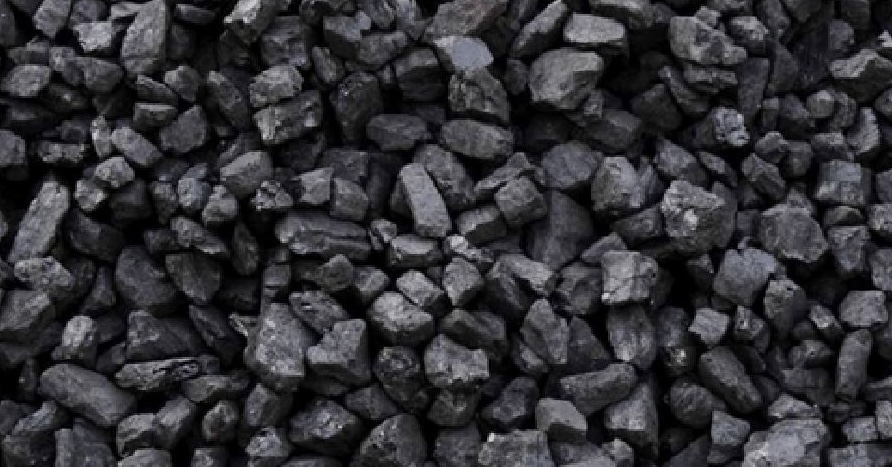
In detail, the coal sector contributed Rp66 trillion in PNBP as of August 31, 2026, up from IDR 59 trillion as of August 31, 2025. The increase in coal revenue was achieved despite a decline of 8 million tons in average monthly production.
“So, in terms of production, our monthly production fell by 8 million (tons), but in terms of PNBP, it increased by Rp7 trillion. This means that each year we see an increase of IDR 1 trillion with production falling by 8 million tons,” he said.
Meanwhile, PNBP from the nickel sector rose to Rp21 trillion as of August 31, 2026, compared with IDR 10 trillion as of August 31, 2025. The increase in state revenue was also accompanied by a decline in nickel production of around 13 million tons of ore.
“For nickel, as of August 31, 2026, our PNBP was IDR 21 trillion. Meanwhile, as of August 31, 2025, our PNBP was IDR 10 trillion. What about production? Production fell by around 13 million tons of ore,” he said.
The government said the increase in PNBP amid lower production volumes demonstrated the effectiveness of RKAB management in the mineral and coal sector. The policy is intended to ensure that natural resource utilization delivers optimal returns for the state without requiring excessive production.
“So, if we look at it, with good management and by not going all out on production, it turns out this will have a positive impact on the state and all of us,” he said.
Advertisement