Bauxite Output Reaches 17.76 Million Tons, West Kalimantan Becomes Hub for National Alumina and Aluminum Downstreaming
Fri 11 Sep 2026, 08:52 AM
Share
Indonesia's bauxite production reached 17.76 million tons as of September 1, 2026. The figure makes the commodity, which is heavily mined in West Kalimantan, an important part of the national mineral downstreaming agenda.
The Ministry of Energy and Mineral Resources (ESDM) emphasized that the management of bauxite and other mining commodities is no longer focused solely on production volumes. The government wants mineral ores to be processed into value-added products before entering the industrial supply chain.
“The focus is not only on how much we produce, but on how much added value we obtain or create from the mining industry,” ESDM Mineral and Coal Director General Tri Winarno said.
He presented the data at an event held by the Indonesian Mining Experts Association in Jakarta on Thursday (Sept. 10), as reported by ANTARA.
West Kalimantan Becomes a Key Link
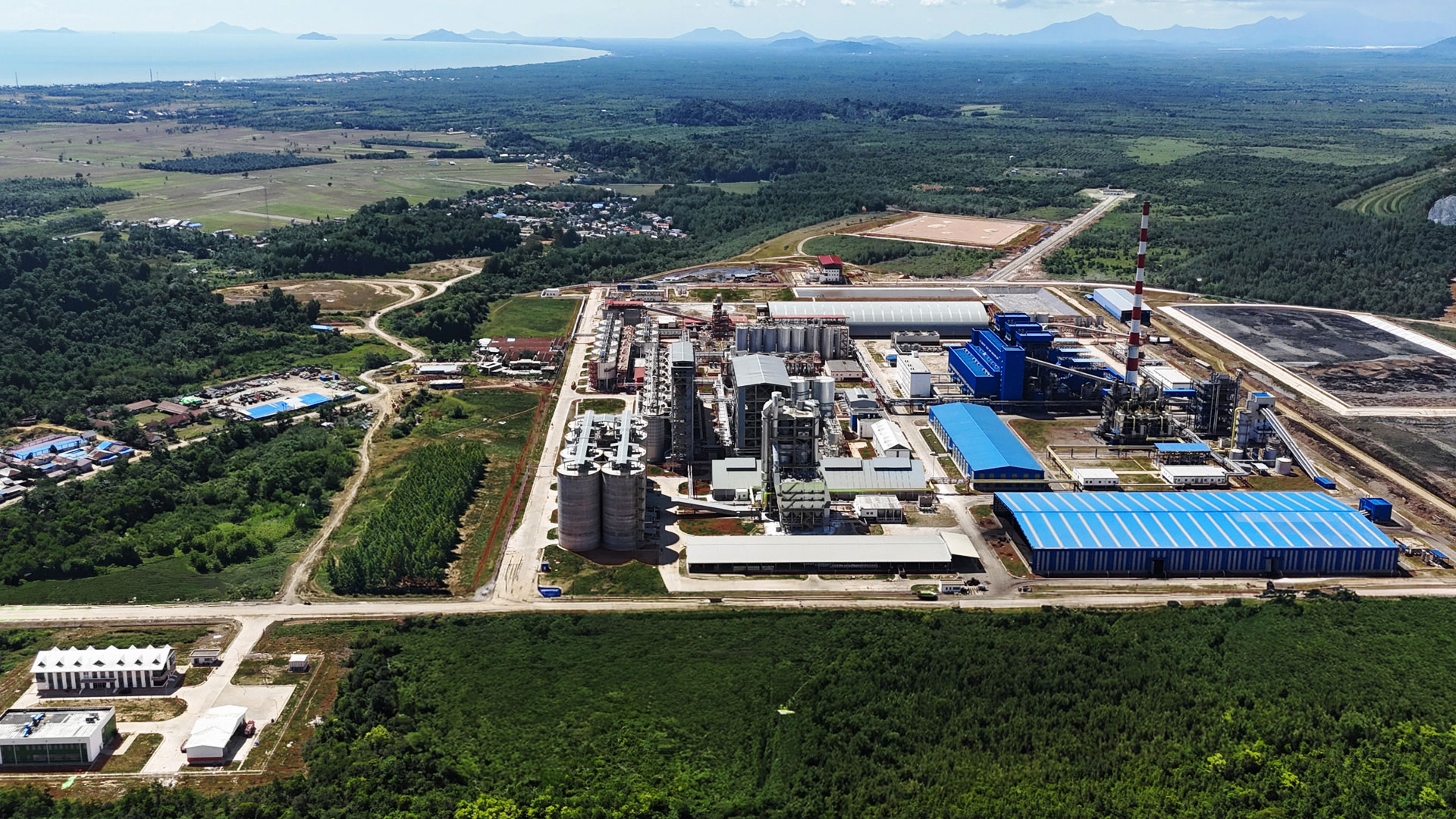
West Kalimantan holds an important position in bauxite downstreaming as it has both raw material resources and processing facilities in Mempawah.
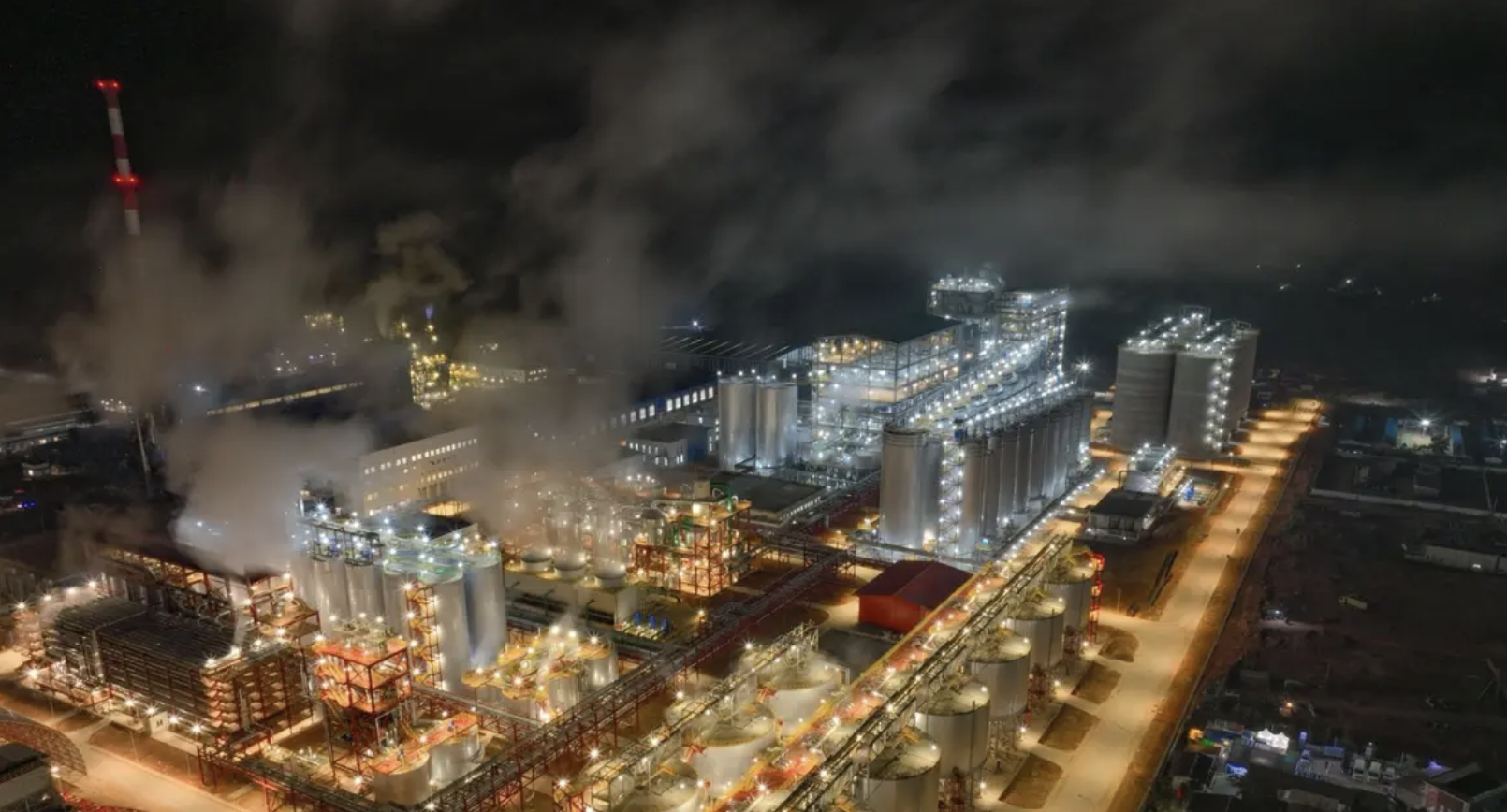
Phase I of the Smelter Grade Alumina Refinery (SGAR) in Mempawah has an annual alumina production capacity of one million tons. To reach that capacity, the facility requires around 3.3 million tons of washed bauxite each year.
Alumina is a processed product of bauxite that is subsequently used as a raw material for aluminum production. The presence of the SGAR means minerals from West Kalimantan are not limited to being mining ore.
Bauxite supplies for the facility come from the mining areas of PT Aneka Tambang Tbk in Mempawah and Landak regencies. The plant is operated by PT Borneo Alumina Indonesia, a joint venture between PT Indonesia Asahan Aluminium and Antam.
Alumina Capacity to Double
The development of SGAR Phase II is designed to add one million tons to annual alumina production capacity. If both phases operate at their respective capacities, domestic alumina production from Mempawah could reach two million tons per year.
The facility is projected to consume around six million tons of bauxite ore annually. All raw materials are planned to come from Antam's mining concession areas in Mempawah and Landak.
An aluminum smelter with a capacity of 600,000 tons per year will also be built in the same area. Its production will be prioritized to meet domestic industrial demand.
Combined with Inalum's facility in Kuala Tanjung, North Sumatra, the company's aluminum production capacity is projected to reach around 900,000 tons per year.
The development of integrated bauxite, alumina and aluminum facilities in Mempawah requires an investment of around IDR 104.55 trillion, equivalent to USD 6.23 billion. The project is estimated to have the potential to increase state revenue by up to IDR 6.6 trillion per year, according to calculations by Inalum.
Mineral and Coal Non-Tax Revenue Rises by IDR 21 Trillion
Increasing the value added of mining commodities has become increasingly important as state revenue from the mineral and coal subsector continues to rise.
The Ministry of Energy and Mineral Resources (ESDM) recorded mineral and coal non-tax state revenue (PNBP) of IDR 108 trillion as of August 31, 2026. The figure was up IDR 21 trillion, or around 24%, from IDR 87 trillion in the same period last year.
Coal remained the largest contributor. The commodity generated IDR 66 trillion in PNBP, up from IDR 59 trillion in the same period in 2025.
Nickel PNBP also increased from IDR 10 trillion to IDR 21 trillion. However, ESDM has yet to provide a breakdown of the specific contribution of bauxite to total mineral and coal PNBP.
Production Does Not Have to Be Increased
The increase in PNBP came as average coal production was actually lower. Throughout 2025, coal production reached 817.48 million tons, or an average of 68.1 million tons per month.
As of July 2026, production stood at 423.71 million tons, averaging around 60.5 million tons per month.
According to Tri, the figures show that increasing state revenue does not always have to be achieved by increasing production. Commodity prices, market demand, domestic requirements, logistics and reserve sustainability must also be taken into account.
“Our approach is optimum production, where production must be balanced with the market, market demand, the domestic market obligation (DMO), price conditions, logistics and reserve sustainability,” he said.
Downstreaming Challenges in West Kalimantan
National bauxite production of 17.76 million tons provides supplies for the processing industry. However, high production does not automatically translate into maximum benefits for producing regions.
The benefits for West Kalimantan depend on the ability of downstreaming projects to absorb local workers, involve regional businesses, protect the environment, and generate revenue that is felt by communities around the mines and plants.
The industrial chain in Mempawah is designed to connect bauxite, alumina and aluminum within a single area. If it proceeds according to plan, West Kalimantan will no longer merely be a supplier of raw materials, but will become one of the country's aluminum industry hubs.
Amid the scale of the investment, environmental monitoring and mine-site rehabilitation must continue. The added value of bauxite should not be measured solely by the amount of alumina and aluminum produced, but also by the economic benefits and environmental footprint left in West Kalimantan.
Advertisement