MIND ID’s IDR 60 Trillion Downstreaming Projects Expected to Create Thousands of Jobs
Tue 27 Jan 2026, 05:40 AM
Share
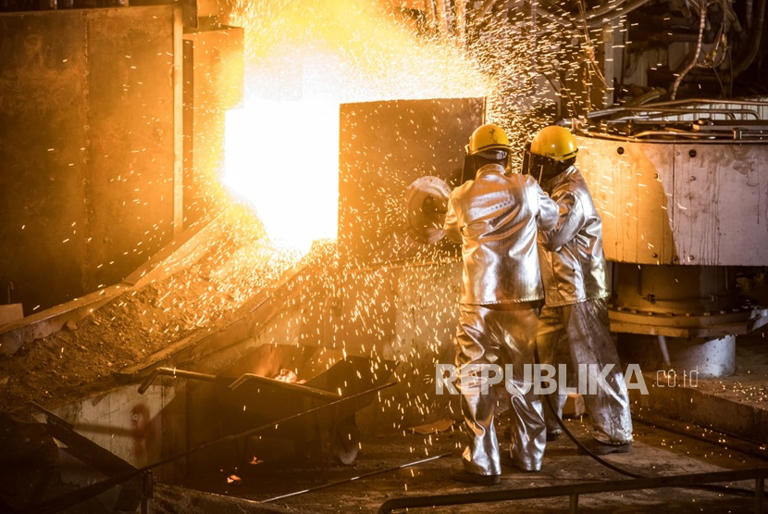
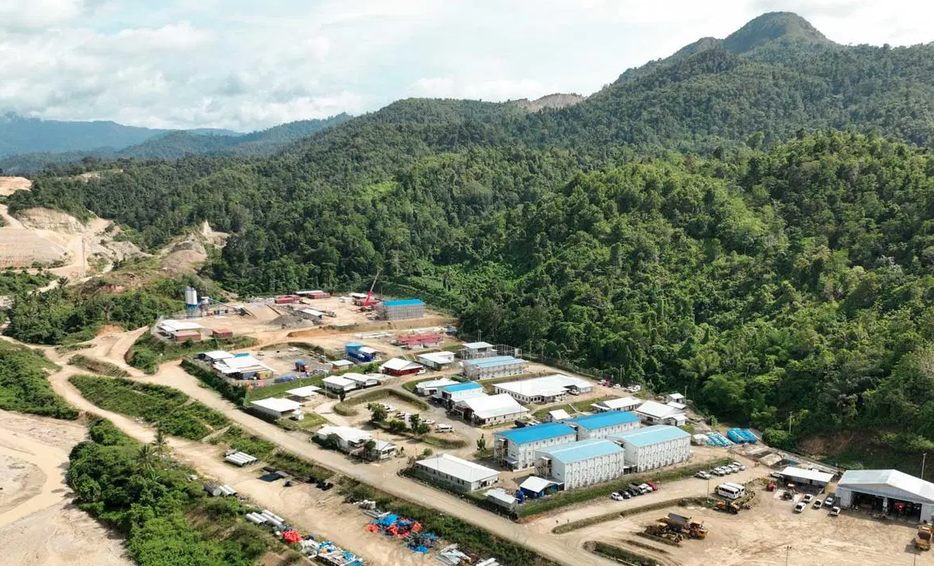
The national mineral downstreaming policy is increasingly showing a tangible impact on job creation. The development of domestic bauxite processing and refining projects not only increases the added value of natural resources but also expands labor absorption, particularly for formal and skilled workers.
This impact received appreciation from Member of Commission XII of the Indonesian House of Representatives (DPR RI), Eddy Soeparno, who views mineral downstreaming as a strategic instrument in driving the creation of quality jobs in Indonesia.
Eddy stated that the downstreaming policy provides a direct effect on opening new job opportunities, especially in the mineral processing and refining industry sectors.
"We welcome the downstreaming policy positively because its impact is very concrete regarding job creation, especially for formal workers who are skilled and possess high added value," said Eddy.
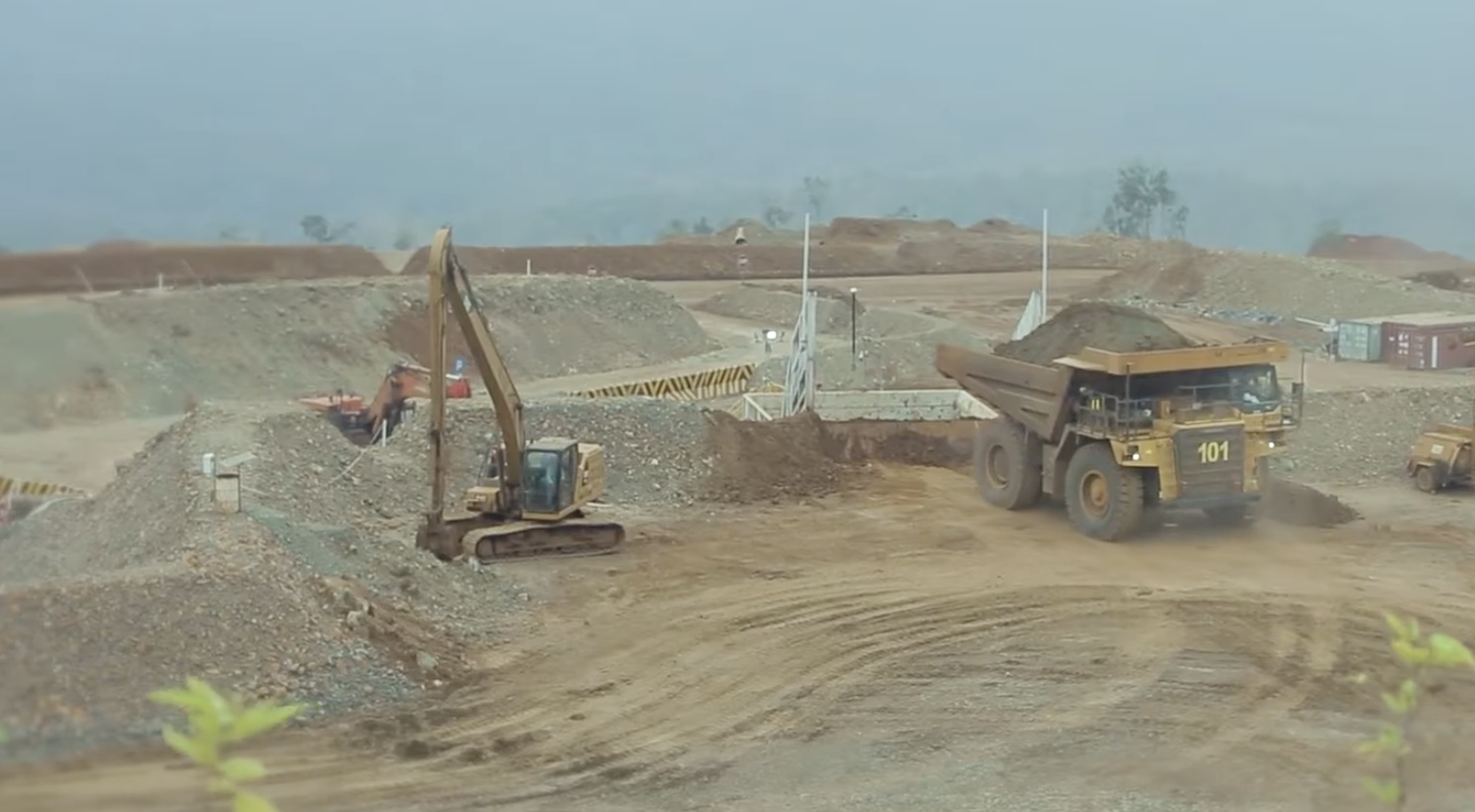
According to Eddy, one of the projects considered to make a significant contribution to labor absorption is the development of the integrated bauxite–alumina–aluminum processing and refining ecosystem managed by the MIND ID Group.
Based on the Pre-Feasibility Study (PFS) document prepared by BPI Danantara together with the Downstreaming Task Force, this strategic project—with a total investment of approximately IDR 60 trillion—is projected to absorb up to 14,700 new workers during both the construction and operational phases.
He assessed that such large-scale investment will create a broad multiplier effect on the national economy and employment. Not only does it absorb direct labor in the industrial sector, but this project also encourages the growth of jobs in supporting sectors.
Eddy mentioned that the industrial ecosystem formed will stimulate various other sectors around the industrial zones.
"Investments like this will move the surrounding economic ecosystem, ranging from the logistics sector and supporting services to local MSMEs (Micro, Small, and Medium Enterprises)," he said.
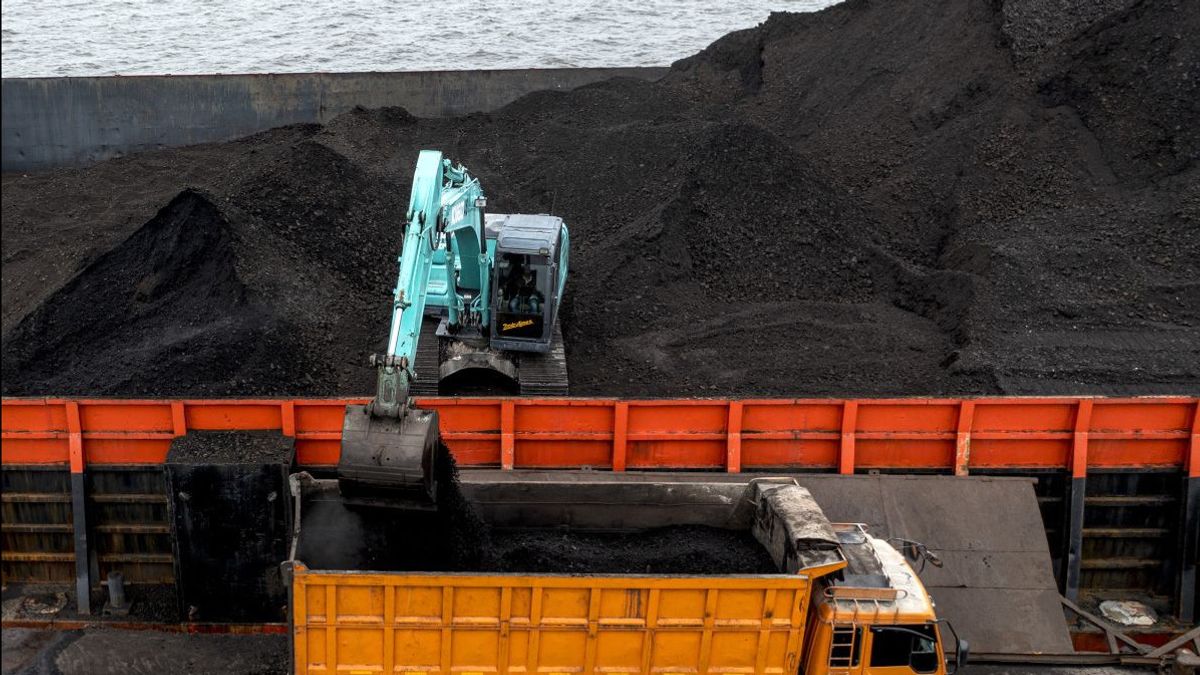
The urgency of downstreaming, Eddy continued, is becoming increasingly relevant given that national aluminum needs are still dependent on imports. Currently, domestic aluminum demand reaches around 1.2 million tons per year, with approximately 54 percent still being met from abroad.
On the other hand, Indonesia possesses massive bauxite reserves, with total resources reaching approximately 7.78 billion tons and reserves of about 2.86 billion tons. This potential is considered a vital foundation for building a competitive national aluminum industry capable of sustainable labor absorption.
Eddy emphasized that downstreaming must continue to be pushed toward the industrialization of derivative products and finished goods so that the economic benefits become more optimal.
"When processing and industrialization are carried out domestically, jobs are created, the added value remains in Indonesia, and the economic benefits can be directly felt by the workforce and the wider community," he concluded.
Advertisement