MIND ID Group Commodities Boost Mineral Downstream Investment to IDR 98.3 Trillion
Wed 17 Jun 2026, 15:34 PM
Share
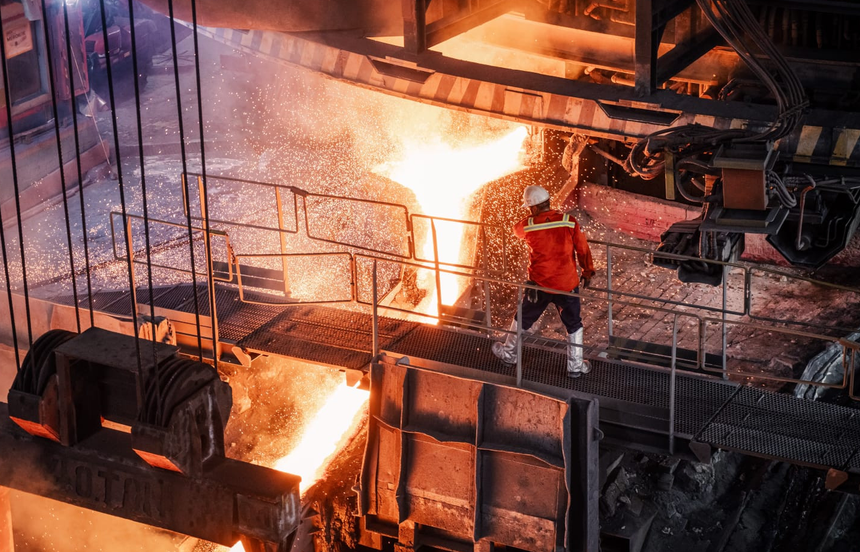
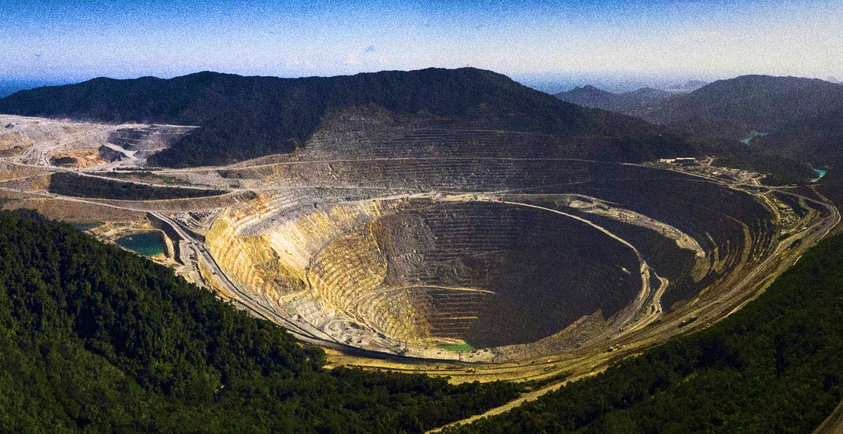
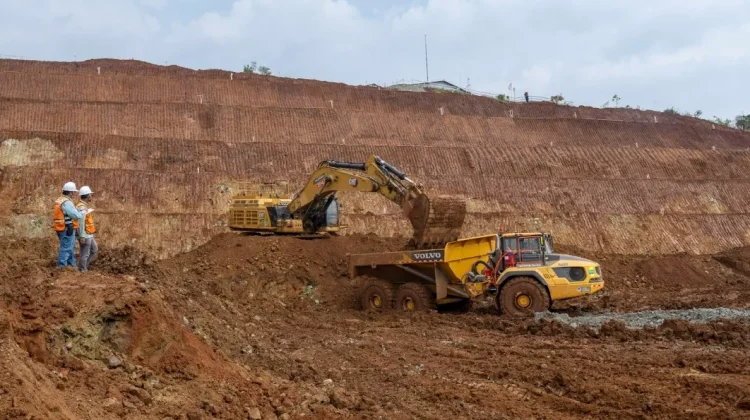
Commodities under the MIND ID Group ranging from nickel, mining assets, tin, and bauxite have continued to support growth in Indonesia’s minerals sector.
Throughout the first quarter of 2026, investment in mineral downstreaming reached IDR 98.3 trillion, accounting for roughly 67 percent of total national downstream investment, which stood at IDR 147.5 trillion.
This underscores the role of the state-owned mining holding as a key pillar in the government’s ongoing downstream industrialization agenda.
Minister of Investment and Downstream Industry/Head of the Investment Coordinating Board (BKPM), Rosan Roeslani, said downstream industries are now contributing an increasingly significant share to national investment flows.
In Q1 2026, total downstream investment realization reached IDR 147.5 trillion, or 29.6 percent of total national investment of IDR 498.8 trillion.
“What we need to highlight is the downstream natural resources sector, whose contribution has risen to 30 percent of total investment realization in Q1 2026, amounting to IDR 147.5 trillion,” Rosan said during a working meeting with Commission XII of the Indonesian House of Representatives (DPR RI).
Rosan explained that the minerals sector remains the largest contributor to downstream investment. Of the IDR 98.3 trillion invested in minerals, nickel accounted for IDR 41.5 trillion, or about 42 percent.
It was followed by copper at IDR 20.7 trillion, iron and steel at IDR 17 trillion, bauxite at IDR 13.7 trillion, and tin at IDR 2.5 trillion. The remainder came from other commodities including gold, silver, cobalt, manganese, coal, silica sand, and rare earth elements.
These figures indicate that Indonesia’s downstream investment push continues to rely heavily on mineral commodities—long considered one of the country’s strongest advantages in global markets.
For MIND ID, the data reinforces the group’s position as a central driver in attracting strategic investment into Indonesia’s mining sector.
ANTAM plays a leading role in the nickel and bauxite value chains, PT Freeport Indonesia dominates copper production, while PT Timah remains a key player in the national tin industry.
The large inflow of investment into minerals has also had a direct impact on the growth of resource-based industrial zones across the country.
Rosan noted that around 75 percent of downstream investment is located outside Java.
These investments are largely concentrated in mineral-producing regions such as Central Sulawesi and North Maluku, which have become key hubs for nickel processing and the electric vehicle battery ecosystem.
Data from BKPM shows Central Sulawesi ranked as the fifth-largest investment destination nationally, attracting IDR 32.1 trillion, or 6.4 percent of total Q1 2026 investment. North Maluku ranked sixth with IDR 25.2 trillion, or 5 percent.
Both provinces illustrate how downstream industrialization can drive regional economic growth while promoting more balanced investment distribution beyond Java.
Nationally, the base metals and fabricated metal products sector also emerged as the largest investment subsector, recording IDR 69.4 trillion, or 14 percent of total investment.
This figure even exceeded the mining sector itself, which recorded IDR 51.9 trillion.
According to Rosan, the government will continue expanding downstreaming into other strategic commodities to increase value-added creation.
“We are also continuing to encourage downstreaming of other strategic commodities that produce high value-added products, such as semiconductors, bioethanol, coconut derivatives, and seaweed-based products,” he said.
The government targets total investment realization to reach IDR 2,322 trillion in 2027, up 13.8 percent from the 2026 target of IDR 2,041.3 trillion.
To meet this target, mineral downstreaming is expected to remain one of the key engines of national investment growth.
The strong inflow of capital into nickel, copper, tin, and bauxite also signals that downstreaming has evolved beyond a simple raw-material processing policy. It has become a strategic instrument to attract capital, create jobs, and strengthen Indonesia’s position in global supply chains.
Advertisement